
Invertebrate
Atlantic Horseshoe Crab
Limulus polyphemusAlso known as American Horseshoe Crab, Horsefoot, King Crab
Atlantic horseshoe crabs are ancient marine arthropods closely related to spiders and scorpions rather than true crabs. Each spring, mass spawning events bring millions onto sandy Atlantic beaches during high tides around full and new moons, where females lay tens of thousands of eggs. Their copper-based blue blood plays a critical role in biomedical safety testing, making them an essential subject of coastal ecology and medical conservation.
MarineCoastalAncient Species


—observations
—countries
—peak records
VulnerableConservation statusIUCN Red List categoriesLCNTVUENCREWEXVulnerableRed List categories, explained →
Diet & preyPolychaete Worms, Clams, Small Crustaceans
Predators
- Red Knot
- Gulls
- Tiger Shark
ThreatsOverharvesting for eel and whelk bait, biomedical harvest stress, shoreline development, and sea level rise
HabitatsShallow coastal ocean waters, estuaries, brackish bays, and sandy intertidal beaches
Life span20–40 years
Classification
- FamilyLimulidae
- SpeciesLimulus polyphemus
Range data is not available yet.
Interaction riskLow
- Low
- Moderate
- High
- Very high
- Why interaction risk is low
- Safe to observe at a normal distance.
- What to notice
- Look for a broad brownish domed shell with a long tail spine in shallow water or along sandy shorelines.
- Support conservation
- Never pick up crabs by the tail as doing so causes joint injury, and leave spawning pairs undisturbed.
Responsible observation
- Help Overturned Crabs: Gently flip stranded crabs upright by holding the sides of the shell, never the tail.
- Observe Night Spawning: Visit sandy beaches during full or new moons in late spring to watch mass spawning.
- Give Nesting Sites Space: Walk carefully along high-tide shorelines to avoid stepping on buried egg clusters.
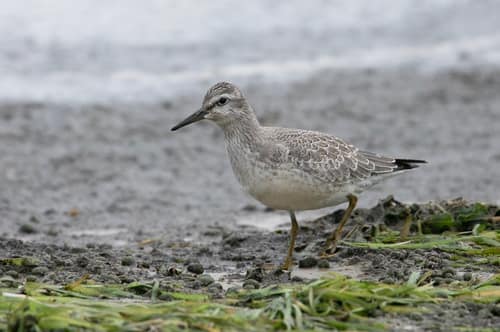
Predator (c) Paolo, some rights reserved (CC BY), uploaded by Paolo · cc-by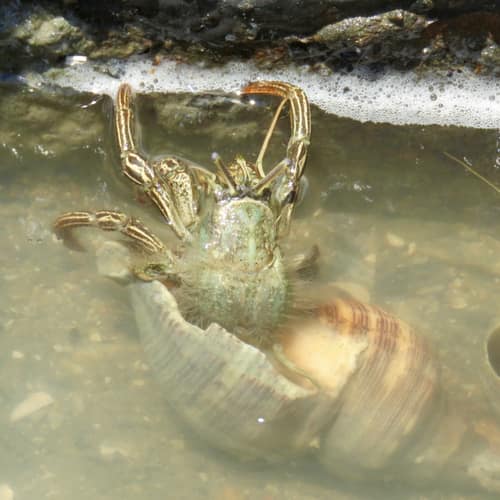
Frequent Companion (c) Laura Clark, some rights reserved (CC BY), uploaded by Laura Clark · cc-by
Close Relative Amada44 / CC BY 3.0 · cc-by
Close Relative (c) 呂一起(Lu i-chi), some rights reserved (CC BY), uploaded by 呂一起(Lu i-chi) · cc-by
Help improve the field guideSomething wrong?
Checking your Fauna account…Report a name, category, or profile issue for review.