
Bird
Red Knot
Calidris canutusAlso known as Knot, Greater Red Knot, Knot Sandpiper
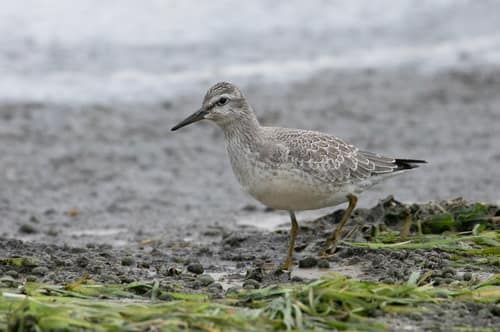
Red knots perform extraordinary non-stop migrations between High Arctic breeding tundra and southern wintering grounds as far south as Tierra del Fuego. During spring stopovers, huge flocks gather on coastal mudflats to gorge on high-calorie horseshoe crab eggs to fuel the remainder of their journey. In breeding season adults display rich chestnut-red underparts, which fade to a soft uniform grey and white during the non-breeding months.
MigratoryShorebirdArctic Specialist

—observations
—countries
—peak records
Near ThreatenedConservation statusIUCN Red List categoriesLCNTVUENCREWEXNear ThreatenedRed List categories, explained →
Diet & preyHorseshoe Crab Eggs, Coquina Clams, Polychaete Worms
Predators
- Peregrine Falcon
- Merlin
- Arctic Fox
ThreatsLoss of stopover habitat, decline of horseshoe crab prey, climate change
HabitatsArctic tundra, coastal mudflats, sandy beaches, estuaries
Life span10–15 years
Classification
- FamilyScolopacidae
- SpeciesCalidris canutus
Range data is not available yet.
Interaction riskLow
- Low
- Moderate
- High
- Very high
- Why interaction risk is low
- Safe to observe at a normal distance.
- What to notice
- Medium-sized shorebird with a short black bill, medium legs, and salmon-red chest in spring or uniform pale grey plumage in winter.
- Support conservation
- Keep dogs leashed on beach mudflats and remain at least 100 meters away from resting shorebird flocks.
Responsible observation
- Flock Distance: Give feeding and resting flocks plenty of space to avoid forcing them to expend crucial energy flying away.
- Staging Sites: Visit major stopover bays during peak spring migration in May to witness vast gathering flocks.
- Observation Gear: Use a spotting scope or telephoto lens to admire their intricate plumages without disturbing them.

Frequent Companion (c) Bill Keim, some rights reserved (CC BY) · cc-by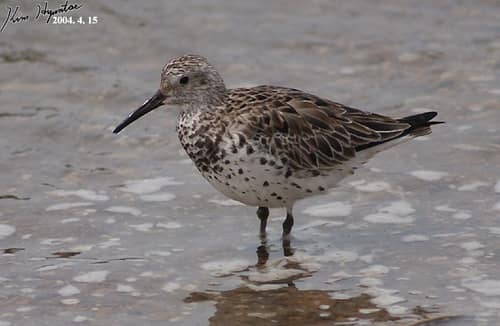
Close Relative (c) Kim, Hyun-tae, some rights reserved (CC BY), uploaded by Kim, Hyun-tae · cc-by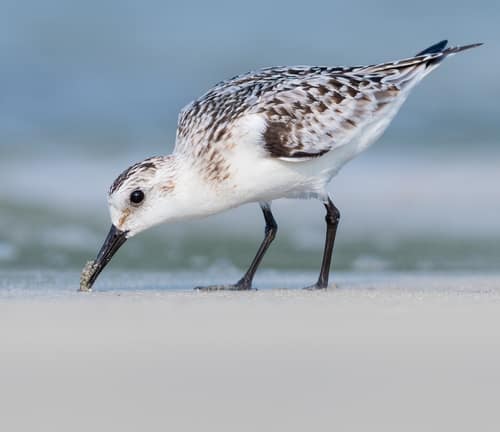
Close Relative (c) Marco Chan, some rights reserved (CC BY), uploaded by Marco Chan · cc-by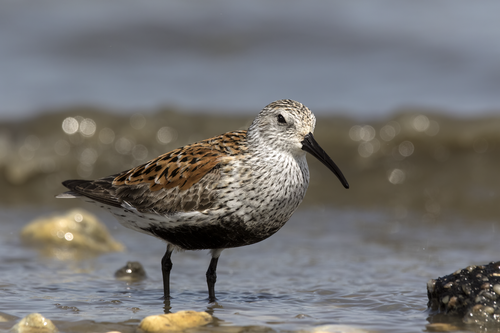
Close Relative Charles Homler d/b/a FocusOnWildlife / CC BY-SA 4.0 · cc-by-sa
Help improve the field guideSomething wrong?
Checking your Fauna account…Report a name, category, or profile issue for review.