
Plant · GBIF taxon 2869345
Tuftroot
Dieffenbachia seguineAlso known as Dumbcane, Leopard Lily
Tuftroot thrives in shaded tropical rainforest understories, unfurling broad, lush leaves beautifully marbled with cream and yellow markings. Its thick, cane-like stems store water, allowing it to adapt easily as a popular global houseplant. As a defense against herbivores, every part of the plant contains microscopic needle-like crystals that cause intense burning if chewed.
TropicalToxicBroadleaf
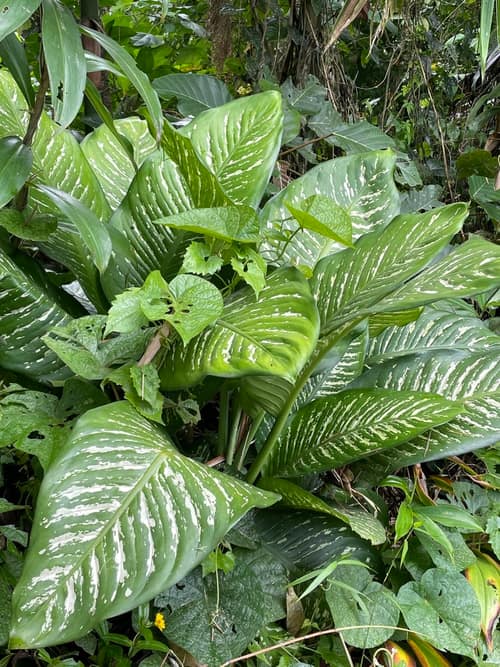
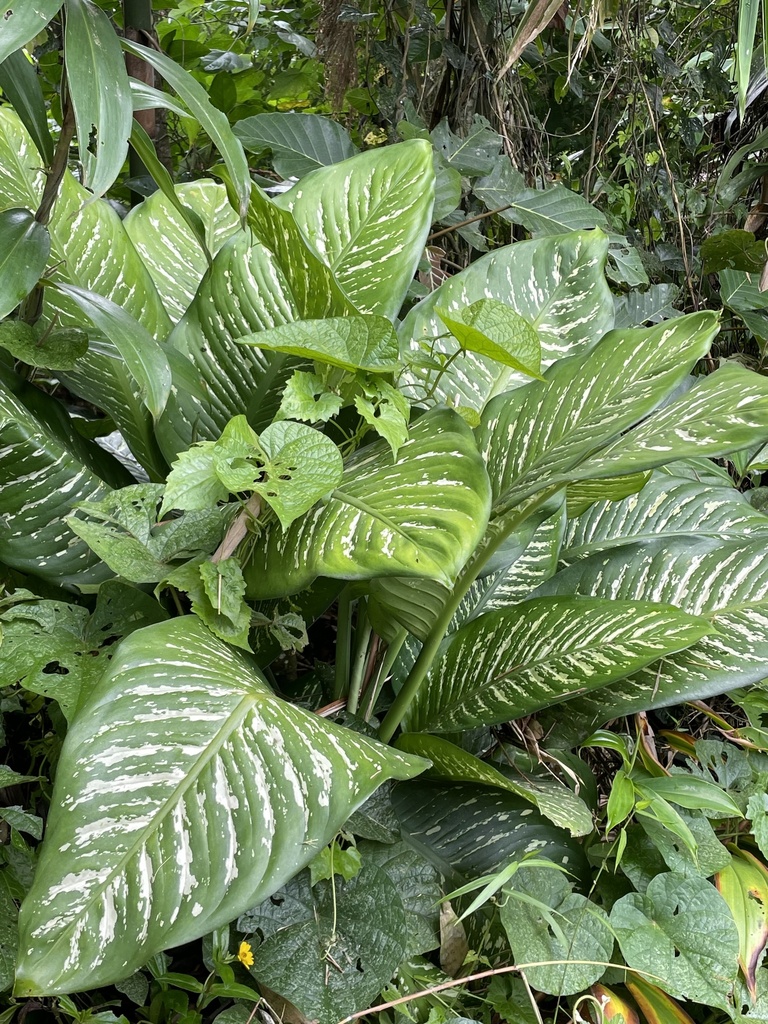
—observations
—countries
—peak records
Least ConcernConservation statusIUCN Red List categoriesLCNTVUENCREWEXLeast ConcernRed List categories, explained →
Diet & prey
- Autotrophic
Predators
- Spider Mites
- Mealybugs
- Scale Insects
ThreatsHabitat loss in native range, though widespread globally in cultivation
HabitatsTropical rainforest understory, damp woodlands, disturbed shaded areas
Life spanPerennial (10 to 20+ years)
Size / weightNot available
Classification
- OrderAlismatales
- FamilyAraceae
- GenusDieffenbachia
- SpeciesDieffenbachia seguine
Range data is not available yet.
Interaction riskHigh
- Low
- Moderate
- High
- Very high
- Why interaction risk is high
- Sap causes painful burning and swelling if ingested or touched; keep away from pets and children.
- Why it is dangerous
- Plant tissues contain microscopic needle-sharp calcium oxalate crystals and enzymes that trigger immediate mouth swelling, severe pain, and skin contact irritation.
- How to recognize a risky encounter
- Recognizable by its thick, upright cane stems and large oval leaves variegated with white, cream, or yellow centers.
- What to do
- Avoid cutting or chewing any part of the plant, wear gloves when repotting, and wash hands immediately after touching sap.
Responsible observation
- Pruning Precaution: Wear protective gloves when handling cut stems to avoid direct sap contact with your skin.
- Pet Safety: Place potted indoor plants on elevated surfaces out of reach of roaming cats and dogs.
- Light Placement: Provide bright, filtered sunlight to keep leaf patterns vibrant without burning the foliage.

Co-Occurring Aroid (c) Jacqui Geux, some rights reserved (CC BY), uploaded by Jacqui Geux · cc-by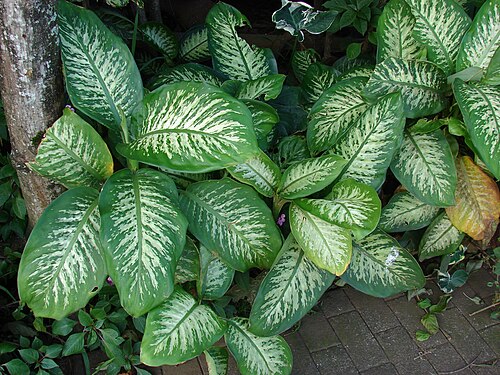
Close Relative Forest & Kim Starr / CC BY 3.0 · cc-by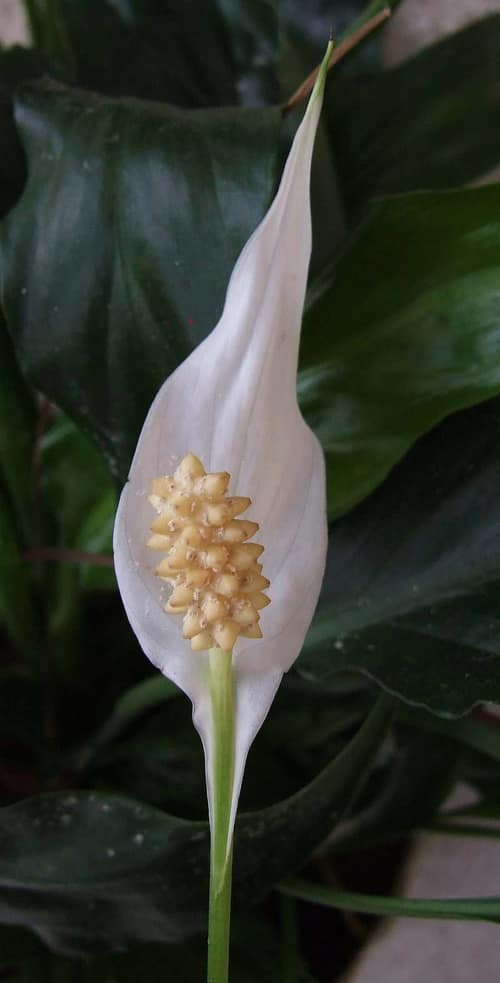
Family Member Jerzy Opioła / CC BY-SA 4.0 · cc-by-sa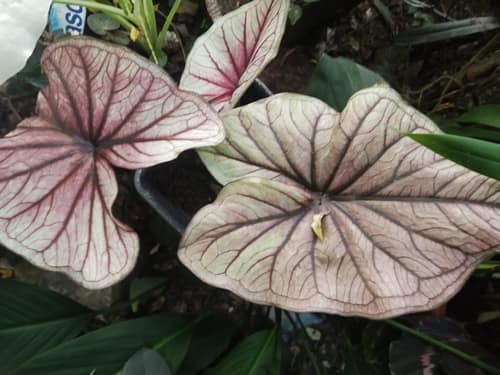
Family Member (c) Greg III Espera, some rights reserved (CC BY), uploaded by Greg III Espera · cc-by
Help improve the field guideSomething wrong?
Checking your Fauna account…Report a name, category, or profile issue for review.