
Plant · GBIF taxon 2868241
Swiss Cheese Plant
Monstera deliciosaAlso known as Split-Leaf Philodendron, Ceriman, Fruit Salad Plant, Mexican Breadfruit
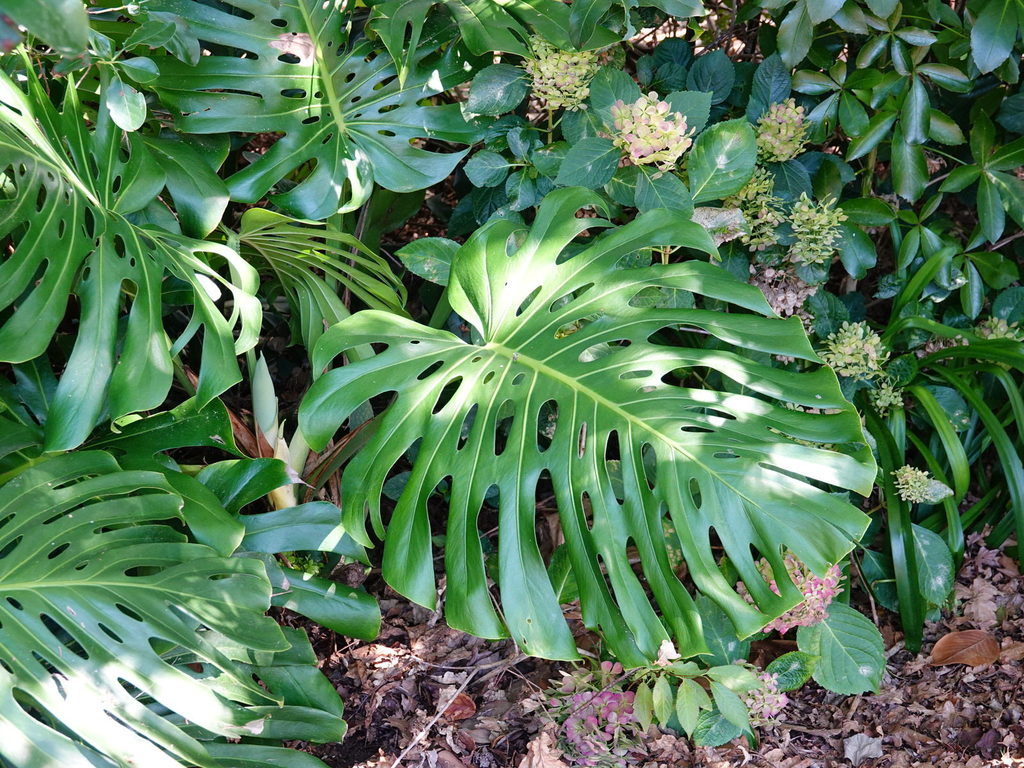
Swiss cheese plants are climbing tropical vines native to Central American rainforests, famed for their massive, glossy leaves perforated with natural holes called fenestrations. These dramatic leaf splits allow wind and light to pass through to lower foliage during severe storms in dense forest understories. As vigorous hemiepiphytes, they use thick aerial roots to scale host trees, eventually producing cone-like inflorescences enclosed by a creamy white spathe.
TropicalVineEvergreen

 1 / 7
1 / 7—observations
—countries
—peak records
Not EvaluatedConservation statusIUCN Red List categoriesLCNTVUENCREWEXNot Evaluated — not placed on the risk ladderRed List categories, explained →
Diet & prey
- Autotrophic (Photosynthesis)
Predators
- Scale Insects
- Mealybugs
- Spider Mites
ThreatsDeforestation, severe frost, wild collection pressure
HabitatsTropical rainforests, humid cloud forests, indoor collections
Life span20–50+ years
Size / weightNot available
Classification
- OrderAlismatales
- FamilyAraceae
- GenusMonstera
- SpeciesMonstera deliciosa
Range data is not available yet.
Interaction riskHigh
- Low
- Moderate
- High
- Very high
- Why interaction risk is high
- Contains insoluble calcium oxalate crystals; keep foliage away from pets and do not ingest raw plant parts.
- Why it is dangerous
- Foliage and raw tissues contain needle-like calcium oxalate crystals that cause severe oral burning, swelling, and drooling if chewed.
- How to recognize a risky encounter
- Look for huge, heart-shaped leaves featuring clean oval holes and deep natural edge cuts along the blade.
- What to do
- Wash hands after pruning damaged stems and keep indoor plants away from curious pets.
Responsible observation
- Provide Support: Give climbing stems a sturdy moss pole to encourage larger, fully split leaves.
- Pet Safety: Keep potted specimens elevated out of reach of cats and dogs to prevent mouth irritation.
- Wipe Leaves: Clean dust from broad leaf surfaces with a damp cloth to boost photosynthesis.
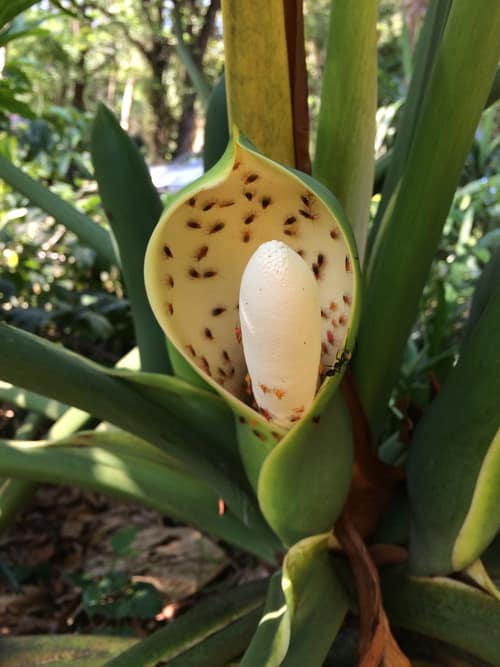
Look-Alike (c) B. Phalan, some rights reserved (CC BY), uploaded by B. Phalan · cc-by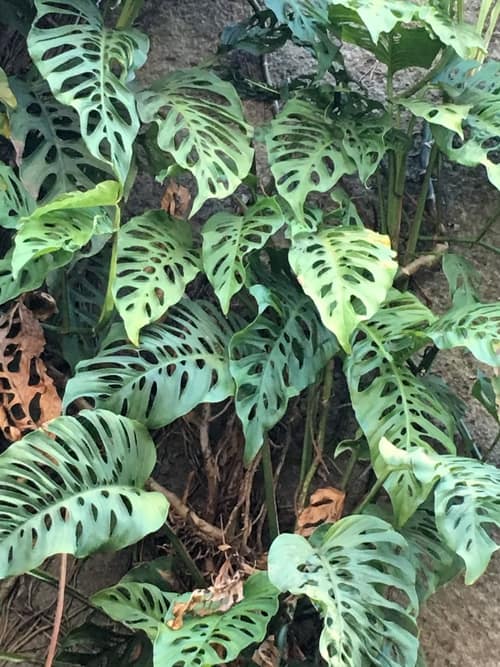
Close Relative (c) Sterling Sheehy, some rights reserved (CC BY), uploaded by Sterling Sheehy · cc-by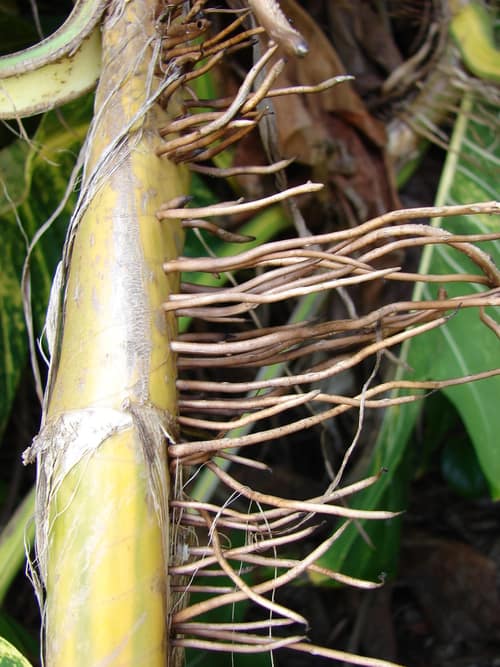
Family Member (c) Forest and Kim Starr, some rights reserved (CC BY) · cc-by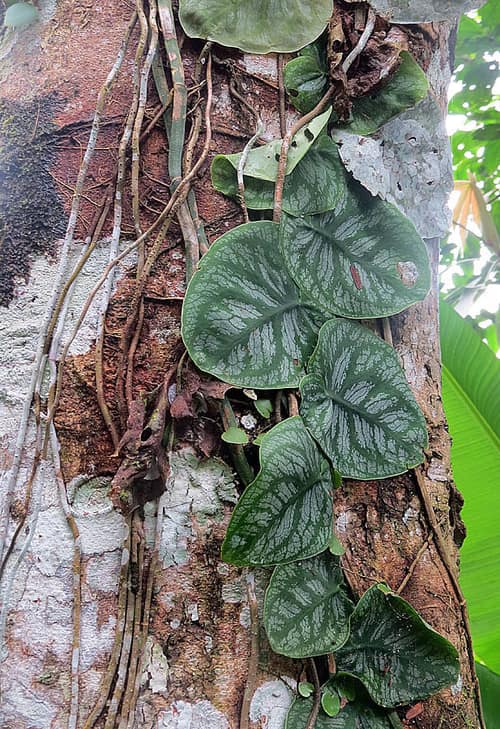
Close Relative Dick Culbert from Gibsons, B.C., Canada / CC BY 2.0 · cc-by
Keep collecting in Fauna
Found in Collections
Species set Pro
Windowsill Flora
Swiss Cheese Plant is found in this collection. Identify it in Fauna to fill this slot and continue your progress.
Unlock to track progress
Help improve the field guideSomething wrong?
Checking your Fauna account…Report a name, category, or profile issue for review.