Also known as Fancy-leaf Caladium, Angel Wings, Elephant Ears
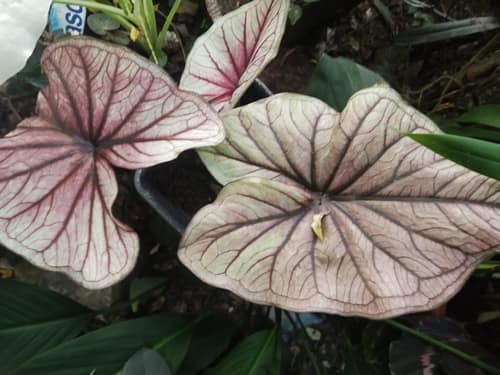
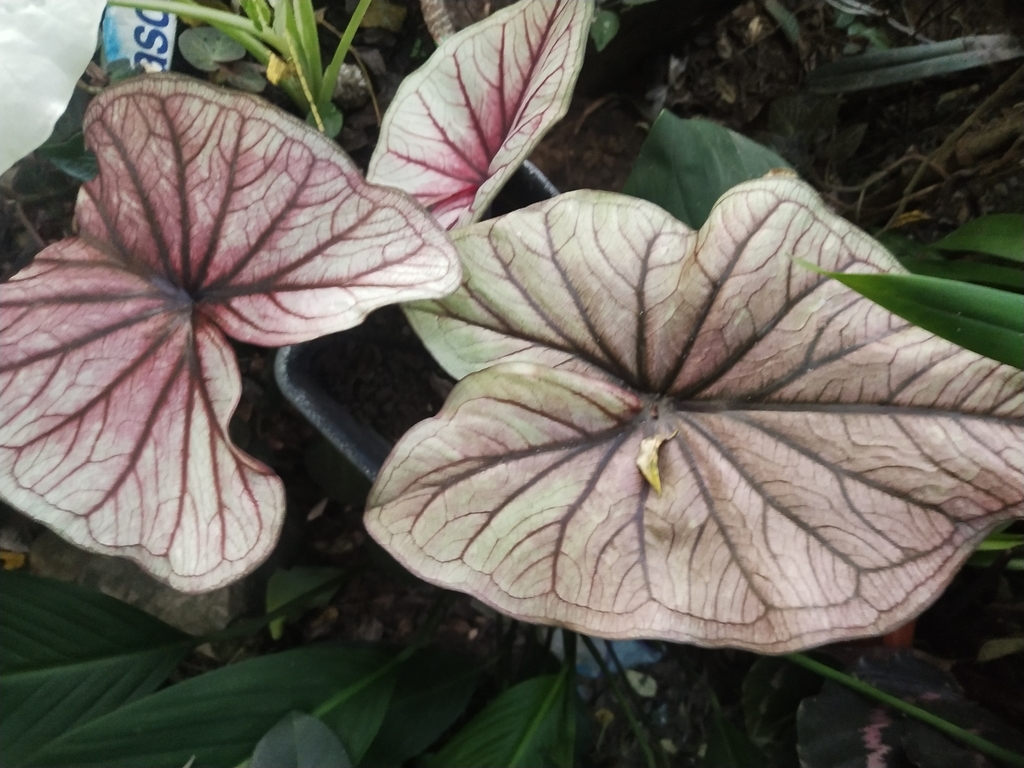
Heart of Jesus produces vibrant, papery leaves that sprout directly from underground tubers in a dramatic array of neon pinks, crimson, creamy white, and deep green patterns. Native to tropical American rainforests, these arums thrive in warm, humid shade where their high-contrast foliage brightens forest floors and garden understories. Like many members of the arum family, every tissue is packed with needle-like calcium oxalate crystals that deter herbivores from grazing.
All parts contain toxic calcium oxalate crystals; keep away from pets and children and do not ingest.
Why it is dangerous
Insoluble calcium oxalate micro-crystals cause intense oral burning, throat swelling, and digestive distress if chewed or swallowed, while sap irritates skin.
How to recognize a risky encounter
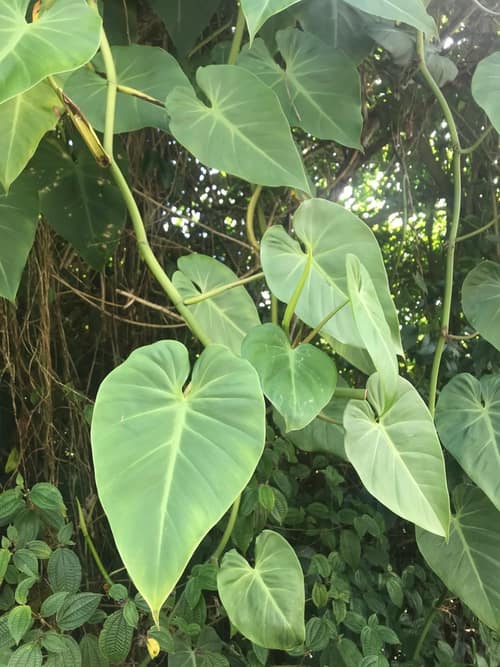
Recognized by broad, paper-thin, heart-shaped leaves splashed with intense combinations of green, pink, red, and white.
What to do
Position plants away from pets and curious children, and wear gloves when dividing tubers or trimming leaves.
Responsible observation
Potted Care: Provide bright indirect light and maintain consistent moisture without waterlogging the tubers.
Handling Precautions: Wear gloves when pruning or dividing tubers to prevent mild skin irritation from sap.
Winter Rest: Allow foliage to die back and store dormant tubers in a cool, dry place when temperatures drop.

 1 / 7
1 / 7