
Mammal · GBIF taxon 2438444
Eastern Woodrat
Neotoma floridanaAlso known as Florida Woodrat, Bush Rat, Pack Rat
Eastern woodrats build elaborate stick dens beneath rock ledges, in caves, or inside hollow logs, constantly accumulating forest debris and shiny objects to fortify their homes. These nocturnal rodents maintain clean living quarters with dedicated latrines and separate food storage chambers for dry acorn caches. Their multi-generational nests provide shelter to dozens of invertebrate and small vertebrate commensal species.
NocturnalHerbivorousNest Builder
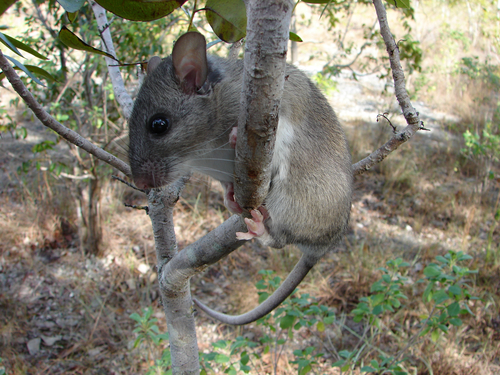
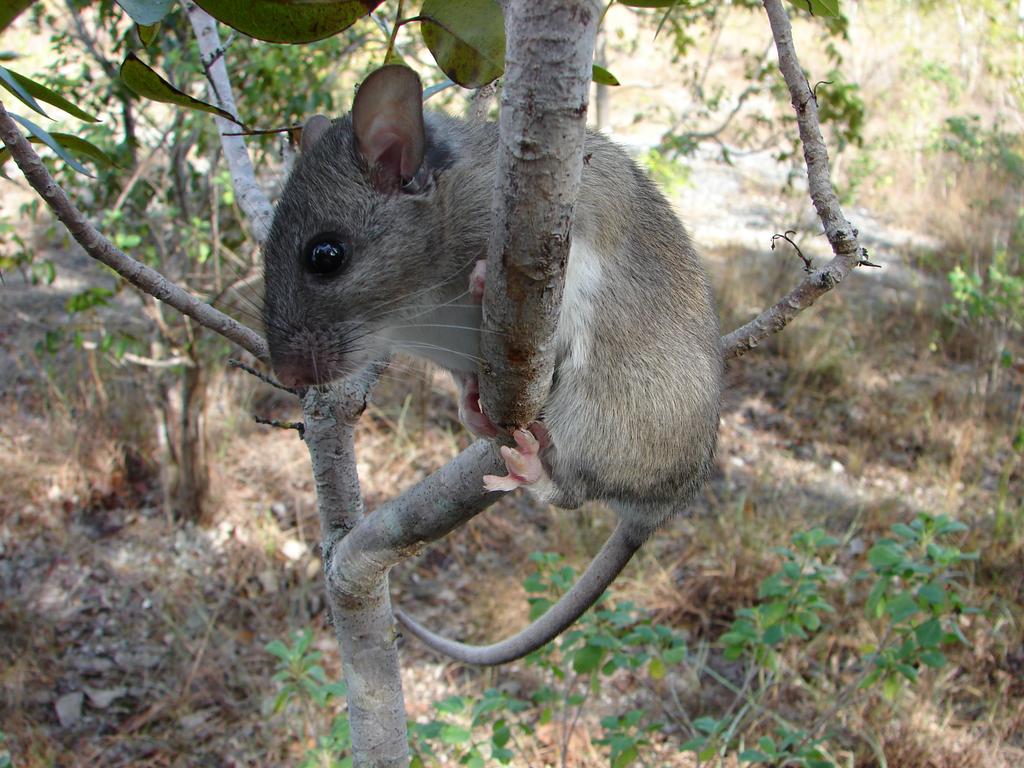 1 / 4
1 / 4—observations
—countries
—peak records
Least ConcernConservation statusIUCN Red List categoriesLCNTVUENCREWEXLeast ConcernRed List categories, explained →
Diet & prey
- Acorns
- Tree Nuts
- Fungi
Predators
- Timber Rattlesnake
- Great Horned Owl
- Bobcat
ThreatsHabitat fragmentation, loss of mast-producing trees, and raccoon roundworm parasite
HabitatsDeciduous forests, rocky outcrops, swamps, cedar glades, and caves
Life span2–3 years in the wild
Size / weightNot available
Classification
- FamilyCricetidae
- SpeciesNeotoma floridana
Range data is not available yet.
Interaction riskModerate
- Low
- Moderate
- High
- Very high
- Why interaction risk is moderate
- Can bite defensively if cornered and may harbor parasites; observe dens without touching.
- Why it is dangerous
- Capable of delivering a sharp defensive bite when cornered and may host fleas, ticks, or parasite larvae within nest material.
- How to recognize a risky encounter
- Recognized by silky soft grayish-brown fur, white belly, large dark eyes, and a furred tail.
- What to do
- Avoid handling wild rodents and never reach directly into nest crevices or stick piles.
- What to notice
- Identified by medium size, rounded ears, white feet, and conspicuous conical stick houses in rocky woods.
- Support conservation
- Observe nest sites from a distance without disturbing structural stick caches or surrounding vegetation.
Responsible observation
- Spotting Dens: Look for large conical piles of sticks tucked under rock ledges or inside hollow trees.
- Nighttime Viewing: Use red-filtered flashlights near known den entrances during twilight hours when woodrats emerge.
- Nest Etiquette: Avoid disturbing or poking stick dens, as doing so damages storage chambers.
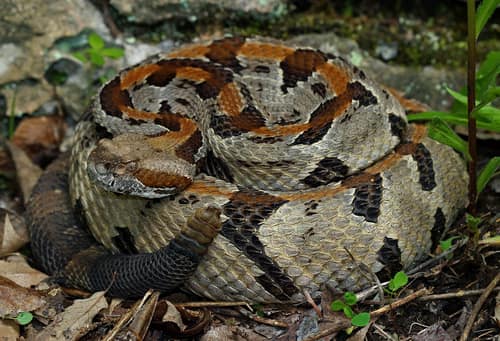
Predator Peter Paplanus from St. Louis, Missouri / CC BY 2.0 · cc-by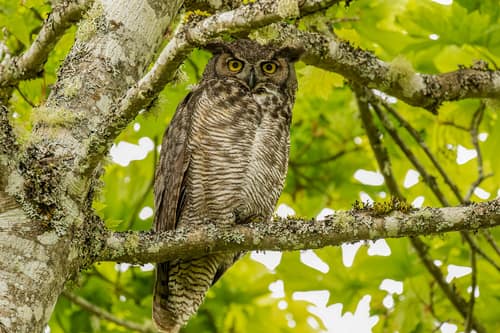
Predator "Great Horned Owl, the first I've seen in decent light this year. Didn't want to disturb it for too long so we continued along the trail" by island deborah- is licensed under CC BY-SA 2.0. To view a copy of this license, visit https://creativecommons.org/licenses/by-sa/2.0/. · cc-by-sa
Food Source (c) Alicia Ballard, some rights reserved (CC BY) · cc-by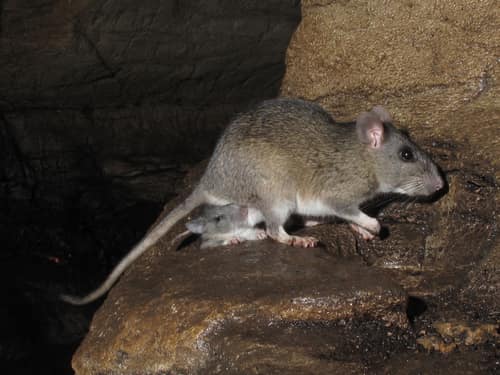
Close Relative (c) Alan Cressler, some rights reserved (CC BY-SA) · cc-by-sa
Help improve the field guideSomething wrong?
Checking your Fauna account…Report a name, category, or profile issue for review.