
Mammal
Long-tailed Pangolin
Phataginus tetradactylaAlso known as Black-bellied Pangolin, African Black-bellied Pangolin, Ipi
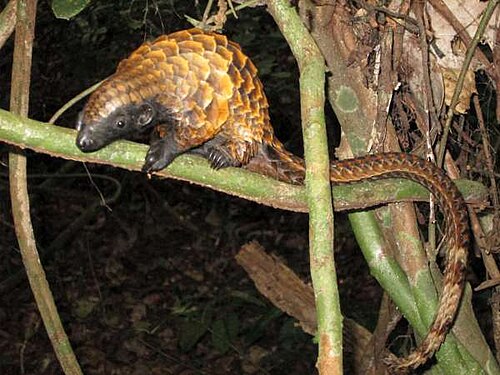
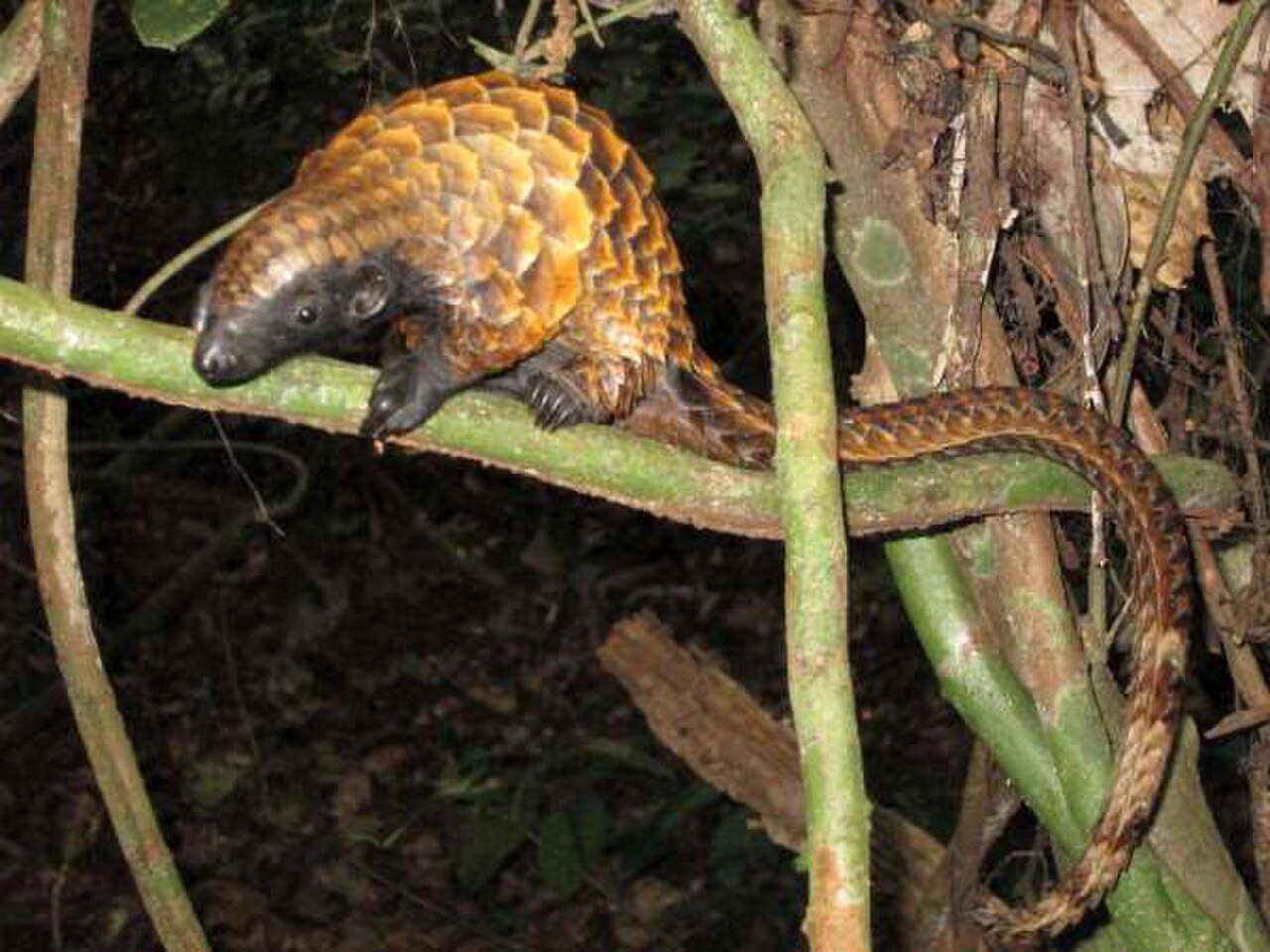
Long-tailed pangolins spend their days high in the rainforest canopy of West and Central Africa, using a prehensile tail nearly twice the length of their body to anchor themselves among branches. Unlike most pangolins, they are active by day and specialize almost exclusively on arboreal ants, flicking a long, sticky tongue into nests and crevices. When threatened, they curl into a tight ball armored by overlapping keratin scales or drop from branches into water below, where they swim surprisingly well.
DiurnalArborealArmored
—observations
—countries
—peak records
VulnerableConservation statusIUCN Red List categoriesLCNTVUENCREWEXVulnerableRed List categories, explained →
Diet & preyArboreal ants, Ant larvae, Ant pupae
Predators
- Leopards
- Crowned Eagles
- African Rock Pythons
ThreatsPoaching for bushmeat and traditional medicine, illegal wildlife trade, and rainforest deforestation
HabitatsTropical lowland rainforests, swamp forests, and gallery forests near rivers across West and Central Africa
Life spanEstimated 10–15 years in the wild
Classification
- FamilyManidae
- SpeciesPhataginus tetradactyla
Range data is not available yet.
Interaction riskLow
- Low
- Moderate
- High
- Very high
- Why interaction risk is low
- Safe to observe quietly from a distance; never handle or disturb wild pangolins.
- What to notice
- Look for a small, dark-bellied pangolin with a remarkably long, prehensile tail and golden-brown overlapping scales high in sunlit canopy branches.
- Support conservation
- Observe quietly from the ground or a viewing platform without flash photography, and never attempt to touch, feed, or approach a wild pangolin.
Responsible observation
- Canopy Scanning: Look along sunlit horizontal branches and vine tangles near rivers during mid-morning.
- Quiet Observation: Keep voices low and avoid sudden movements, as vibrations send them curling into a ball.
- Zero Contact: Never touch or pick up a curled pangolin, and report any illegal wildlife trade sightings to local authorities.
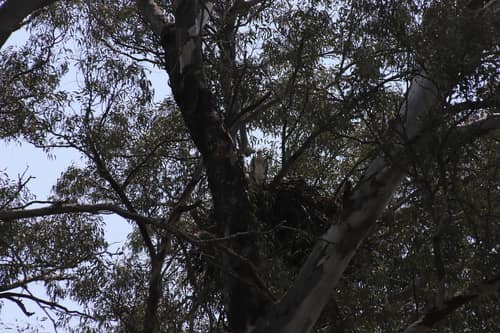
Predator (c) Suvarna Parbhoo Mohan, some rights reserved (CC BY-SA) · cc-by-sa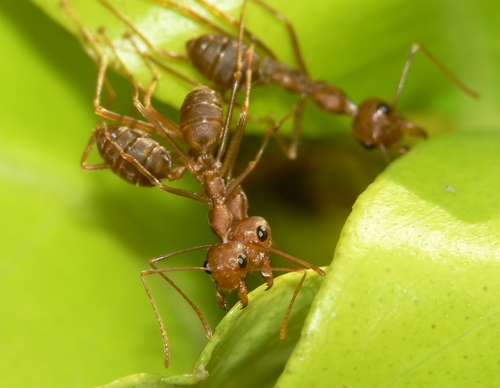
Prey (c) Karmesinkoenig, some rights reserved (CC BY-SA) · cc-by-sa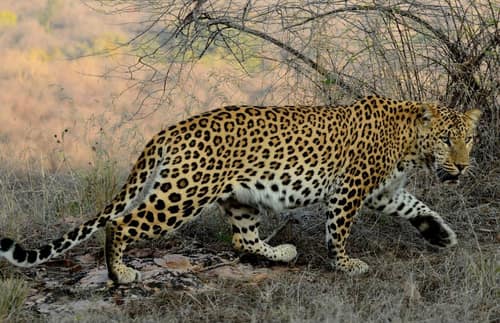
Predator (c) Raja bandi, some rights reserved (CC BY), uploaded by Raja bandi · cc-by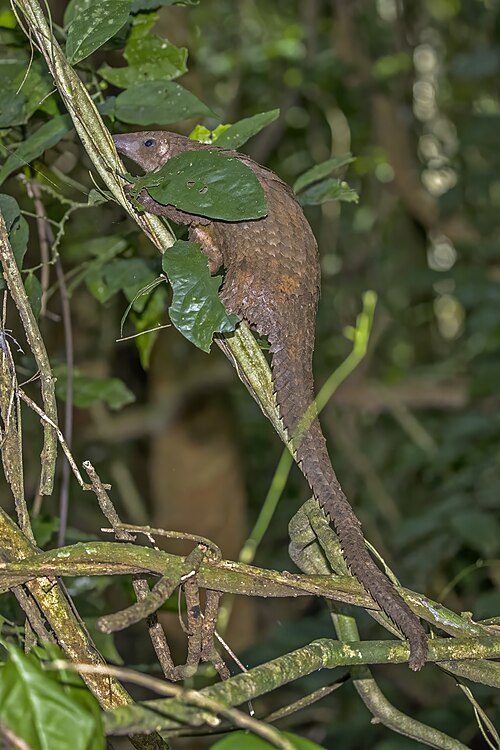
Close Relative Charles J. Sharp / CC BY-SA 4.0 · cc-by-sa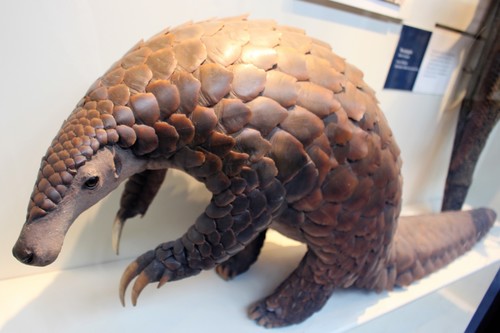
Same Family (c) Emőke Dénes, some rights reserved (CC BY-SA) · cc-by-sa
Help improve the field guideSomething wrong?
Checking your Fauna account…Report a name, category, or profile issue for review.