
Plant
Honey-vine Climbing Milkweed
Cynanchum laeveAlso known as Honeyvine, Sand Vine, Bluevine Milkweed, Smooth Swallow-Wort
Honey-vine climbing milkweed twines aggressively through thickets and fence lines, filling late summer air with the sweet fragrance of its tiny white flower clusters. Its smooth, heart-shaped leaves and deep root system make it a resilient native vine capable of surviving heavy agricultural cultivation. As a vital host plant, its foliage provides critical nourishment for monarch butterfly caterpillars throughout eastern and central North America.
Climbing VinePerennialHost Plant
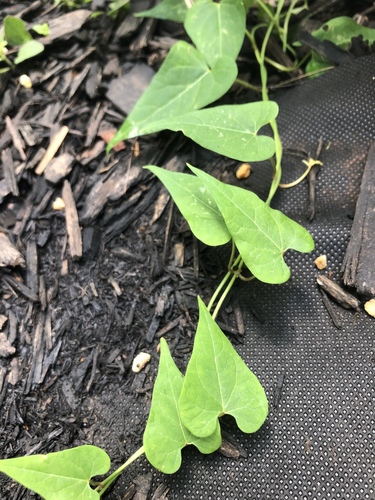
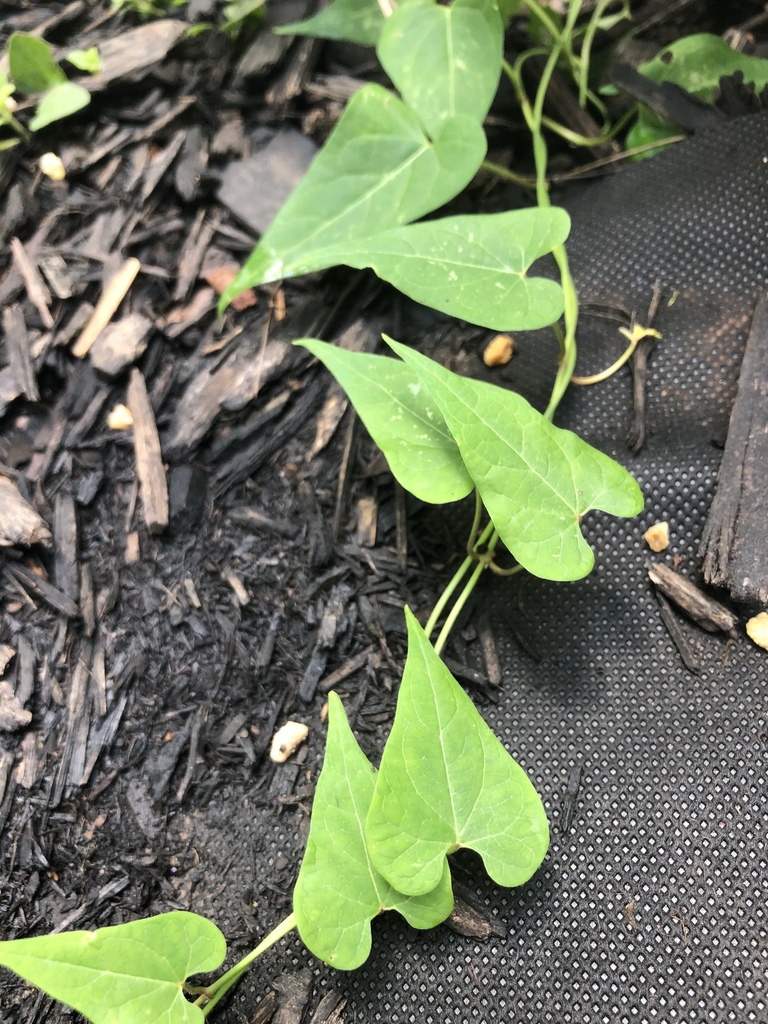
—observations
—countries
—peak records
Least ConcernConservation statusIUCN Red List categoriesLCNTVUENCREWEXLeast ConcernRed List categories, explained →
Diet & preyAutotrophic (Photosynthetic)
Predators
- Monarch Butterfly Larvae
- Milkweed Tussock Moth Larvae
- Milkweed Aphids
ThreatsHerbicide use, intensive cultivation, and weed removal
HabitatsFields, fence rows, riverbanks, thickets, and agricultural land
Life spanPerennial (rhizomatous roots persist indefinitely)
Classification
- OrderGentianales
- FamilyApocynaceae
- GenusCynanchum
- SpeciesCynanchum laeve
Range data is not available yet.
Interaction riskHigh
- Low
- Moderate
- High
- Very high
- Why interaction risk is high
- Milky sap causes eye irritation and leaves are toxic if ingested; avoid touching eyes and wash hands after handling.
- Why it is dangerous
- Contains cardiac glycosides that cause severe gastrointestinal distress if consumed, while milky sap irritates eyes and skin.
- How to recognize a risky encounter
- Look for twining herbaceous vines with opposite, heart-shaped leaves and sweet-smelling, clustered white flowers.
- What to do
- Wear protective gloves when clearing plants, and never touch face or eyes until hands are thoroughly washed.
Responsible observation
- Identification: Look for smooth, heart-shaped leaves arranged oppositely along twining stems in late summer.
- Handling Caution: Wear gloves when clearing stems to keep the milky sap away from skin and eyes.
- Habitat Support: Leave native vines intact on perimeter fences to provide food for monarch larvae.
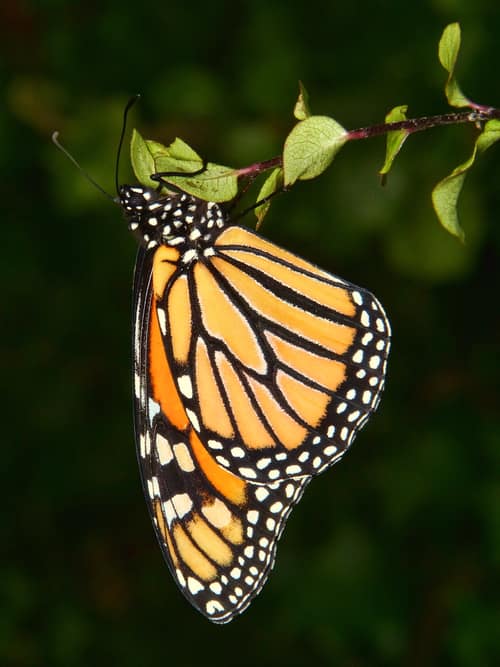
Larval Host Sid Mosdell from New Zealand / CC BY 2.0 · cc-by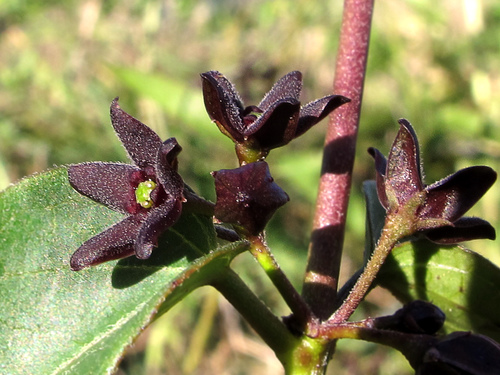
Invasive Look-Alike (c) jacinta lluch valero, some rights reserved (CC BY-SA) · cc-by-sa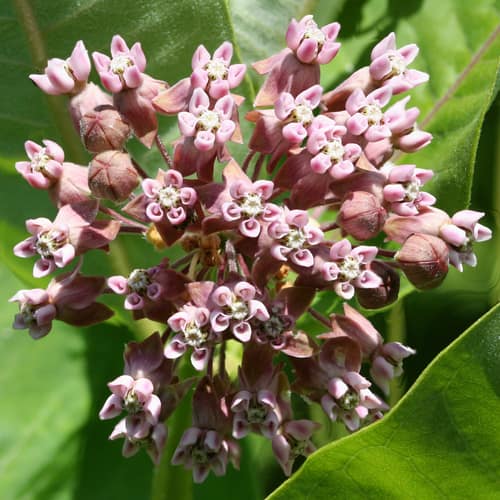
Close Relative (c) Randy Nonenmacher, some rights reserved (CC BY-SA) · cc-by-sa Image unavailable
Close Relative
Help improve the field guideSomething wrong?
Checking your Fauna account…Report a name, category, or profile issue for review.