
Fungus · GBIF taxon 9661781
Peach Amanita
Amanita persicinaAlso known as Peach-Colored Fly Agaric, Peach Fly Agaric
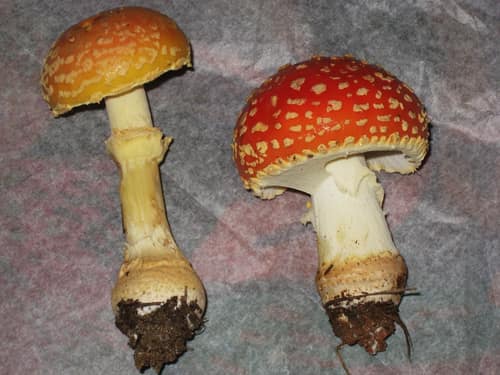
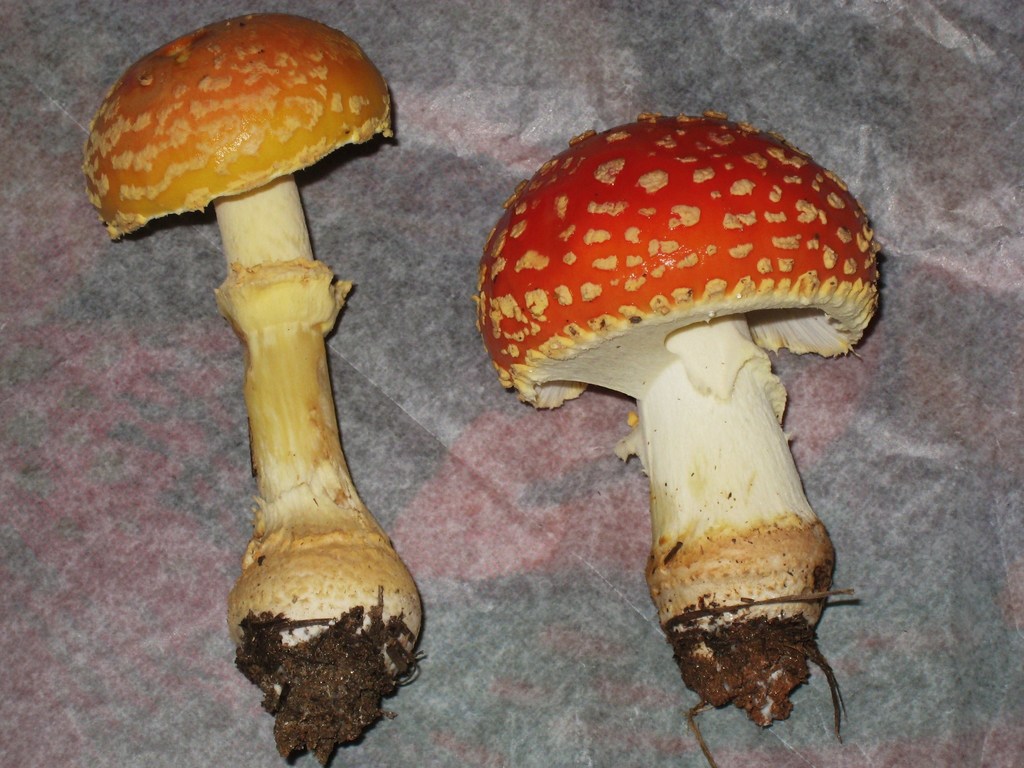
Peach Amanita emerges in late summer and autumn throughout pine and oak forests of the southeastern United States. Its striking cap ranges from pale peach to vibrant salmon-pink, fading towards the margin and dotted with yellowish to white universal veil warts. As a mycorrhizal fungus, it forms essential underground partnerships with tree roots, trading soil minerals for host carbohydrates.
FungusMycorrhizalWoodland
—observations
—countries
—peak records
Not EvaluatedConservation statusIUCN Red List categoriesLCNTVUENCREWEXNot Evaluated — not placed on the risk ladderRed List categories, explained →
Diet & prey
- Tree root exudates
- Soil minerals
- Organic matter
Predators
- Fungus gnats
- Slugs
- Squirrels
ThreatsHabitat loss, forest clearing
HabitatsPine and oak woodlands, mixed temperate forests
Life spanMycelium lives indefinitely; fruiting body lasts 1–2 weeks
Size / weightNot available
Classification
- OrderAgaricales
- FamilyAmanitaceae
- GenusAmanita
- SpeciesAmanita persicina
Range data is not available yet.
Interaction riskHigh
- Low
- Moderate
- High
- Very high
- Why interaction risk is high
- Contains toxic compounds and many wild mushrooms have deadly look-alikes; never eat wild fungi based on app identification.
- Why it is dangerous
- Contains ibotenic acid and muscimol, which act on the central nervous system to cause severe gastrointestinal distress, delirium, and muscle spasms.
- How to recognize a risky encounter
- Look for a peach to salmon-pink cap with yellowish warts, free white gills, and a bulbous stem base.
- What to do
- Observe and photograph without disturbing the base; never consume wild Amanita mushrooms.
Responsible observation
- Cap Observation: Note the central peach coloration and edge striations on mature specimens.
- Spore Inspection: White spore prints help confirm identification within the genus Amanita.
- Habitat Context: Look around the base of mature pine and oak trees during damp autumn days.
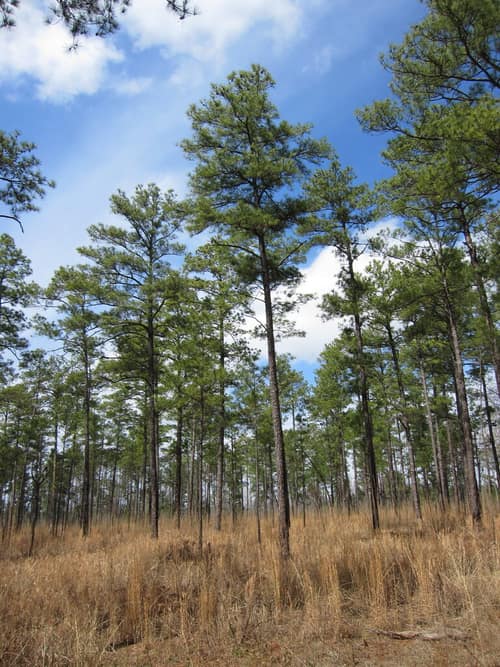
Symbiont (c) Chris M Morris, some rights reserved (CC BY) · cc-by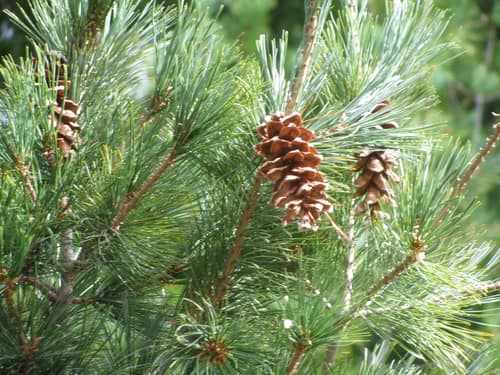
Symbiont (c) Forest and Kim Starr, some rights reserved (CC BY) · cc-by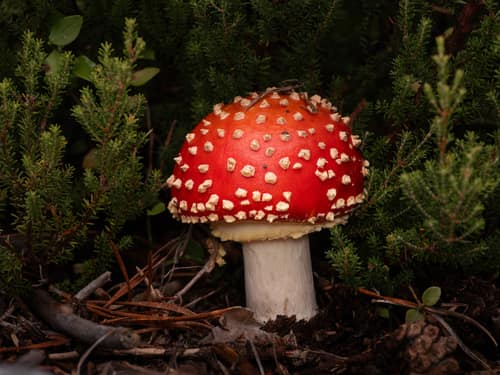
Close Relative (c) Borja Fierro, some rights reserved (CC BY), uploaded by Borja Fierro · cc-by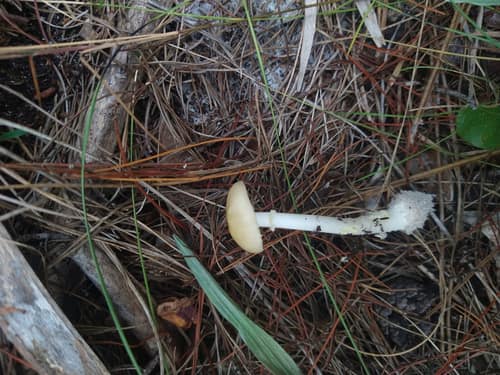
Close Relative (c) Matthew Rozanoff, some rights reserved (CC BY) · cc-by
Keep collecting in Fauna
Found in Collections
Species set Pro
Fungi Forager
Peach Amanita is found in this collection. Identify it in Fauna to fill this slot and continue your progress.
Unlock to track progress
Help improve the field guideSomething wrong?
Checking your Fauna account…Report a name, category, or profile issue for review.