
Fungus · GBIF taxon 9658405
Newfoundland Chanterelle
Cantharellus enelensisAlso known as Eastern Golden Chanterelle, American Golden Chanterelle
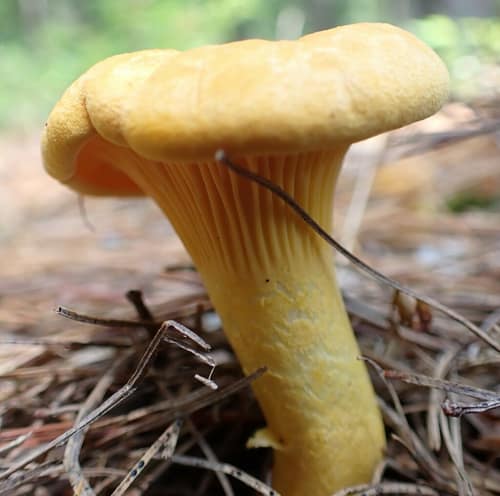
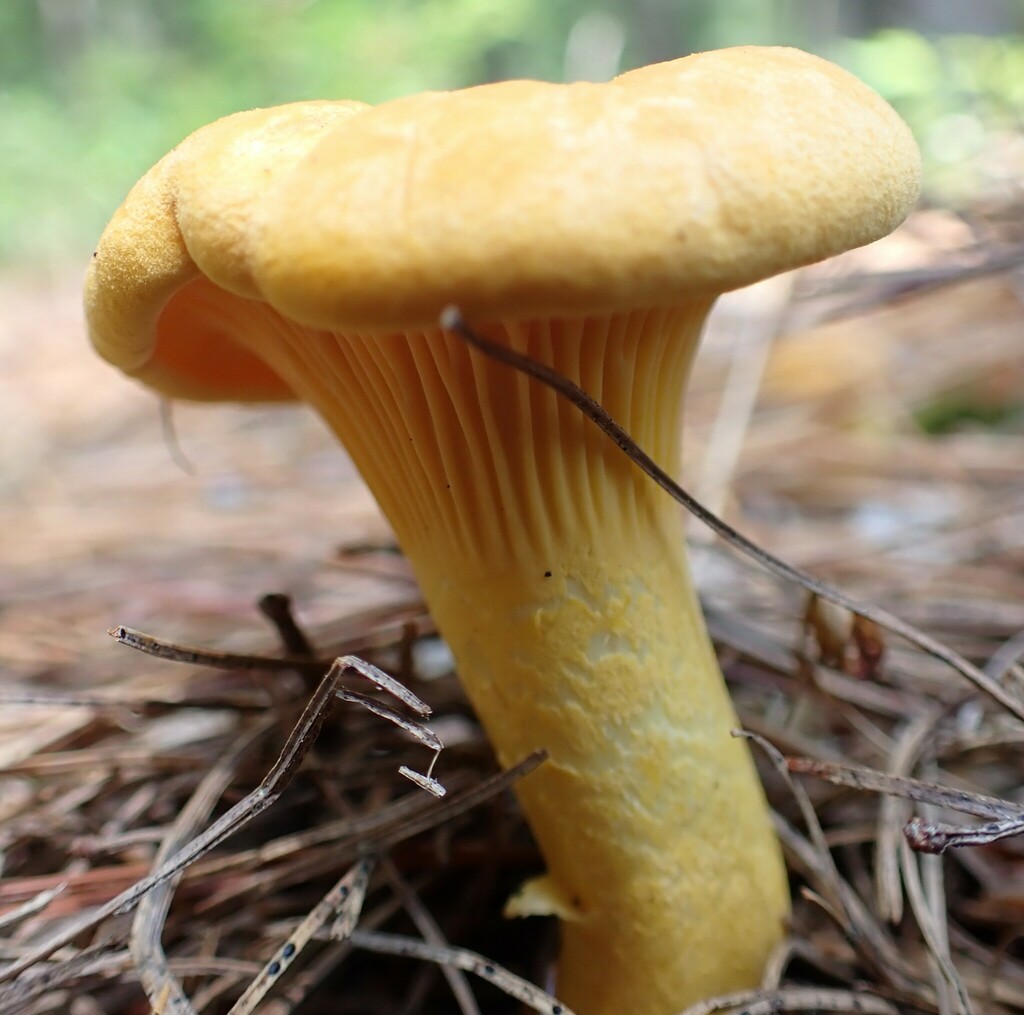
Bright yellow-orange caps brighten the damp forest floor of eastern North American woodlands each summer following soaking rains. Instead of paper-thin gills, the underside features blunt, decurrent ridges that fork repeatedly down the upper stem. These fungi form subterranean partnerships with tree roots, trading mineral nutrients for photosynthesized sugars.
FungusMycorrhizalForest Floor
—observations
—countries
—peak records
Least ConcernConservation statusIUCN Red List categoriesLCNTVUENCREWEXLeast ConcernRed List categories, explained →
Diet & prey
- Mycorrhizal (symbiotic partnership with trees)
Predators
- Slugs
- Fungus Gnats
- Squirrels
ThreatsSoil compaction, habitat fragmentation, and heavy forest floor disturbance
HabitatsDeciduous and mixed coniferous forests
Life spanFruiting body lasts 1–3 weeks; underground mycelium lives for decades
Size / weightNot available
Classification
- OrderCantharellales
- FamilyHydnaceae
- GenusCantharellus
- SpeciesCantharellus enelensis
Range data is not available yet.
Interaction riskLow
- Low
- Moderate
- High
- Very high
- Why interaction risk is low
- Many wild mushrooms have toxic look-alikes; never eat wild fungi based on app identification alone.
Responsible observation
- Examine Underparts: Look for blunt, vein-like ridges that run down the stem rather than blade-like gills.
- Check Growth Pattern: Search for individuals growing directly out of soil rather than dense clusters on rotting trunks.
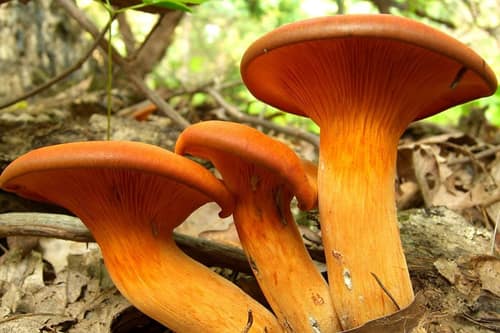
Toxic Look-Alike (c) Jason Hollinger, some rights reserved (CC BY) · cc-by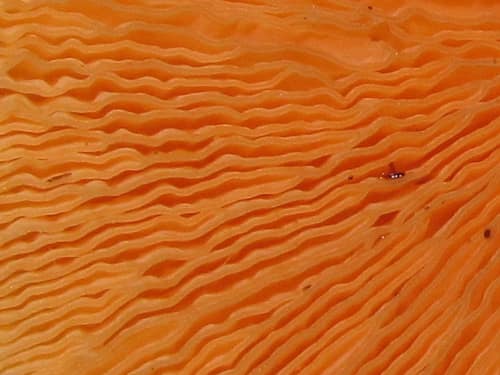
Look-Alike (c) Tim Sage, some rights reserved (CC BY-SA), uploaded by Tim Sage · cc-by-sa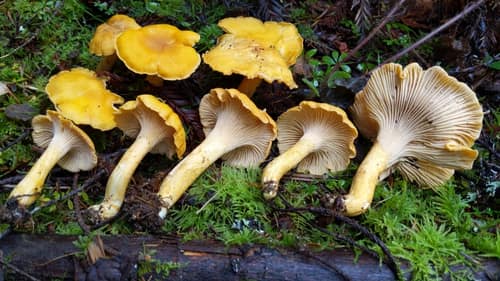
Close Relative (c) Alan Rockefeller, some rights reserved (CC BY), uploaded by Alan Rockefeller · cc-by
Close Relative Dan Molter / CC BY-SA 3.0 · cc-by-sa
Keep collecting in Fauna
Found in Collections
Species set Pro
Fungi Forager
Newfoundland Chanterelle is found in this collection. Identify it in Fauna to fill this slot and continue your progress.
Unlock to track progress
Help improve the field guideSomething wrong?
Checking your Fauna account…Report a name, category, or profile issue for review.