
Bird
Pacific Wren
Troglodytes pacificusAlso known as Western Winter Wren
Pacific wrens creep mouse-like through the tangled understory of old-growth temperate rainforests, probing damp moss, root wads, and fallen logs for concealed invertebrates. Despite their diminutive size, males unleash an astonishingly complex, cascading song of tumbling trills and warbles that carries through dense coastal woods. They defend sprawling territories in shaded ravine bottoms, occasionally building multiple dummy nests before a female selects one to line with feathers.
Forest DwellerSongbirdInsectivorous
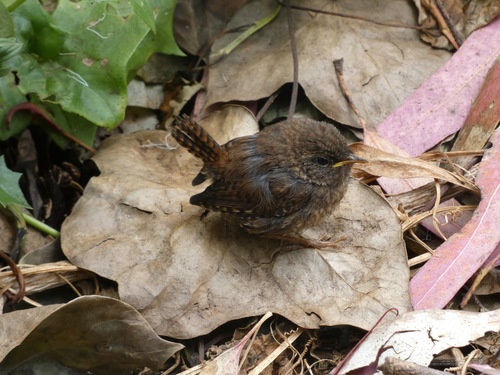
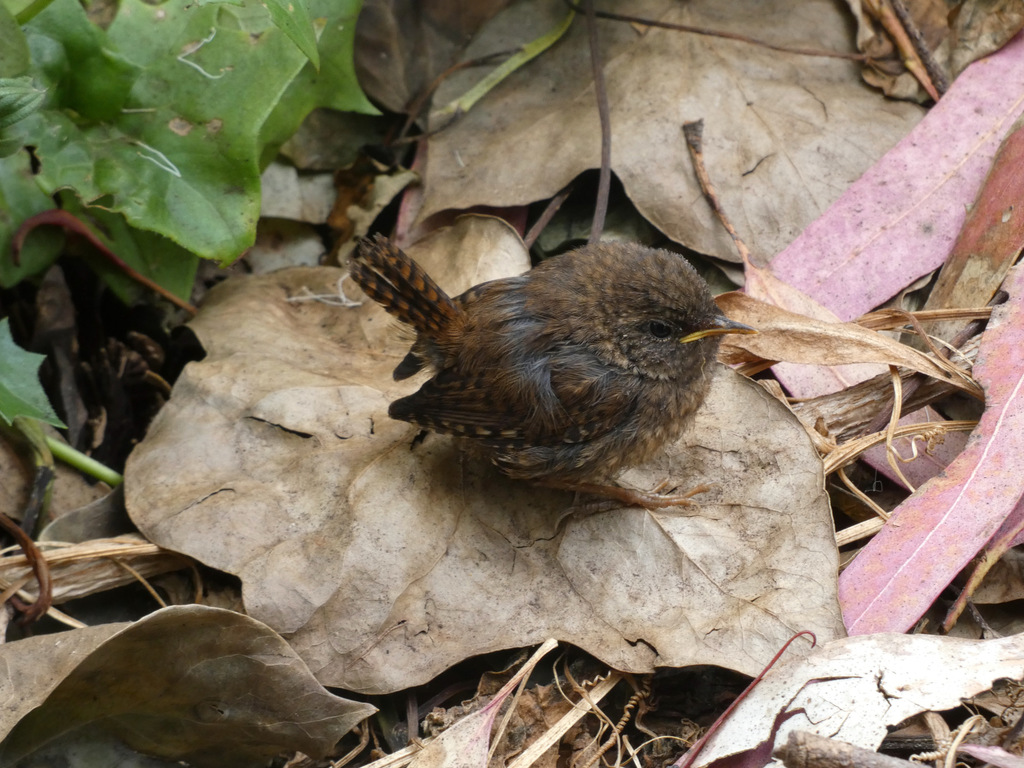
—observations
—countries
—peak records
Least ConcernConservation statusIUCN Red List categoriesLCNTVUENCREWEXLeast ConcernRed List categories, explained →
Diet & preySpiders, Beetles, Caterpillars
Predators
- Sharp-shinned Hawk
- Barred Owl
- Domestic Cat
ThreatsClear-cut logging, forest fragmentation, and severe winter freezes
HabitatsDense coniferous and mixed temperate forests, especially old growth with heavy downed timber
Life span3–6 years
Classification
- OrderPasseriformes
- FamilyTroglodytidae
- GenusTroglodytes
- SpeciesTroglodytes pacificus
Range data is not available yet.
Interaction riskLow
- Low
- Moderate
- High
- Very high
- Why interaction risk is low
- Safe to observe at a normal distance.
Responsible observation
- Patience: Watch root tangles and mossy fallen nurse logs quietly to spot movement.
- Listen carefully: Follow the rapid, high-pitched mechanical trills to pinpoint their perch.
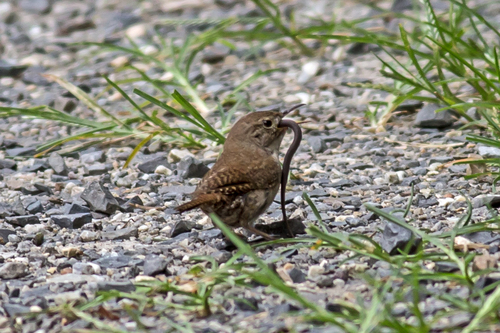
Same Genus (c) Bill Keim, some rights reserved (CC BY) · cc-by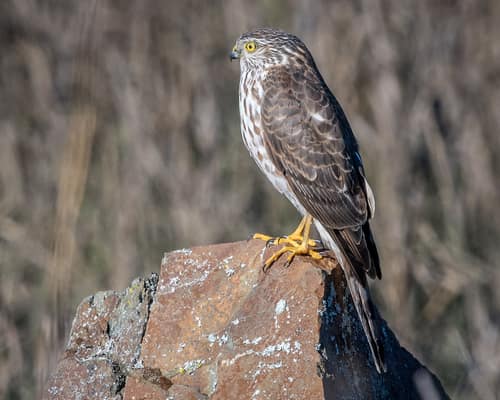
Predator "Sharp-Shinned Hawk (juvenile)" by Becky Matsubara is licensed under CC BY 2.0. To view a copy of this license, visit https://creativecommons.org/licenses/by/2.0/. · cc-by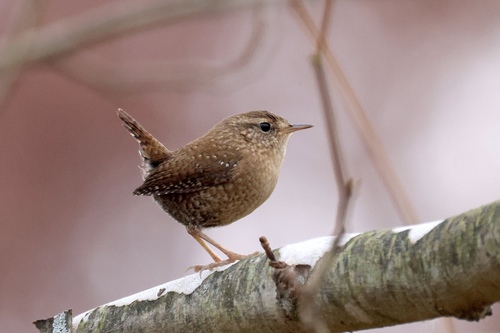
Close Relative no rights reserved, uploaded by Andy Wilson · cc0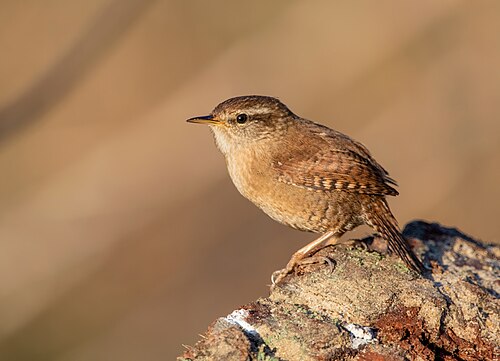
Close Relative Alexis Lours / CC BY 4.0 · cc-by
Help improve the field guideSomething wrong?
Checking your Fauna account…Report a name, category, or profile issue for review.