
Plant
Common Climbing Aloe
Aloiampelos ciliarisAlso known as Climbing Aloe, Fringed Aloe
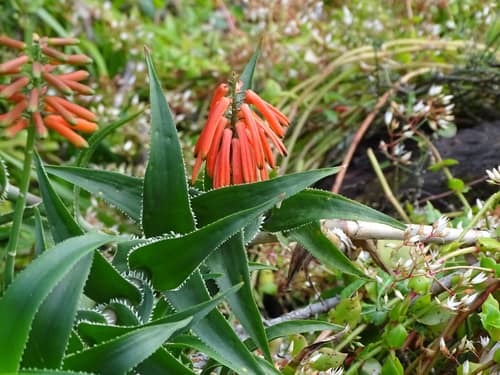
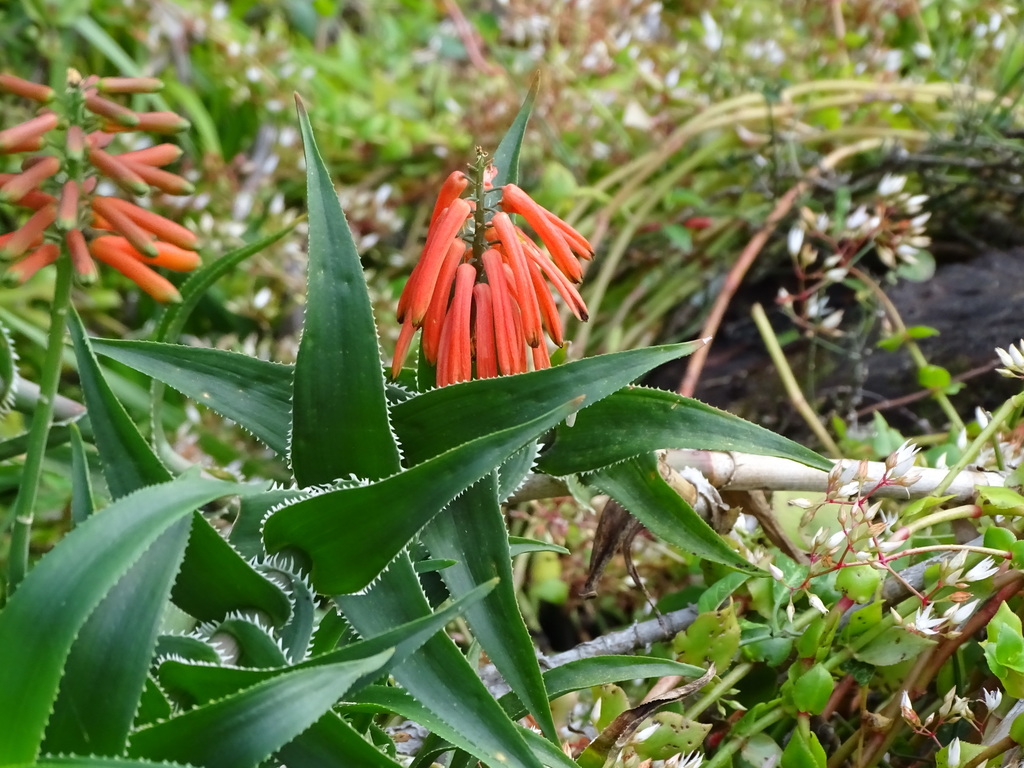
Common climbing aloe scrambles through coastal thickets and dry river valleys, using surrounding shrubs and trees to hoist its long, slender stems toward the sunlight. Distinctive soft white hair-like teeth encircle each stem at the leaf base, creating a fringed sheath that easily distinguishes this rambler from other succulents. Dense racemes of tubular, scarlet to bright orange flowers bloom throughout much of the year, drawing sunbirds and bees in large numbers.
SucculentClimberBird-Pollinated
—observations
—countries
—peak records
Least ConcernConservation statusIUCN Red List categoriesLCNTVUENCREWEXLeast ConcernRed List categories, explained →
Diet & preyAutotrophic
Predators
- Browsing antelope
- Domestic goats
- Snails
ThreatsHabitat clearing, invasive alien plants, overgrazing
HabitatsCoastal thicket, dry riverine scrub, valley bushveld
Life span20–50 years
Classification
- OrderAsparagales
- FamilyAsphodelaceae
- GenusAloiampelos
- SpeciesAloiampelos ciliaris
Range data is not available yet.
Interaction riskHigh
- Low
- Moderate
- High
- Very high
- Why interaction risk is high
- Toxic to dogs and cats if ingested; safe for humans to touch and observe.
- Why it is dangerous
- Leaves contain anthraquinone glycosides like aloin, causing vomiting, lethargy, and severe diarrhea in domestic cats and dogs.
- How to recognize a risky encounter
- Look for sprawling or climbing fleshy stems with soft white fringe rings encircling each leaf sheath.
- What to do
- Harmless to handle, but keep cuttings and garden plantings out of reach of domestic pets.
Responsible observation
- Identification: Look for the collar of soft white teeth wrapped around the stem nodes.
- Pet Safety: Keep trailing stems away from curious house pets prone to chewing greenery.
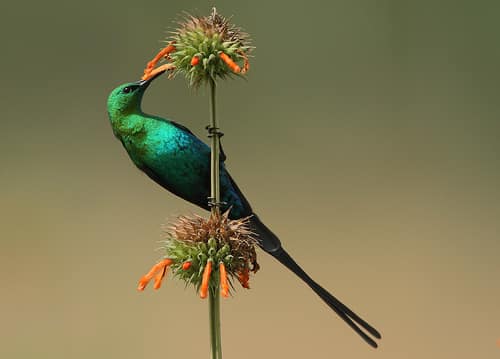
Pollinator (c) Steve Garvie, some rights reserved (CC BY-SA) · cc-by-sa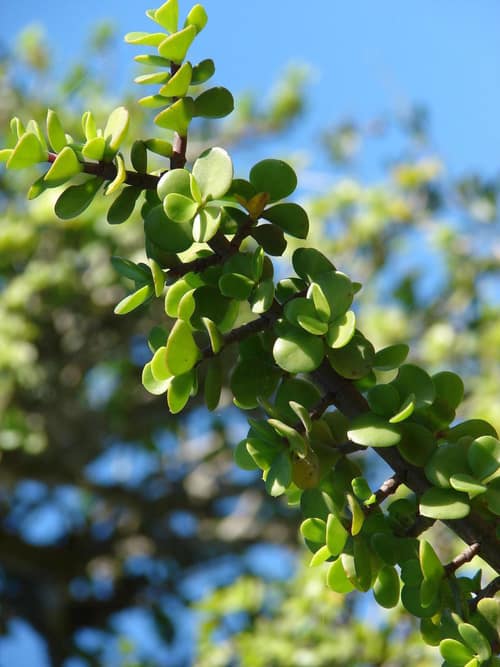
Frequent Companion (c) Shaun Swanepoel, some rights reserved (CC BY), uploaded by Shaun Swanepoel · cc-by Image unavailable
Close Relative 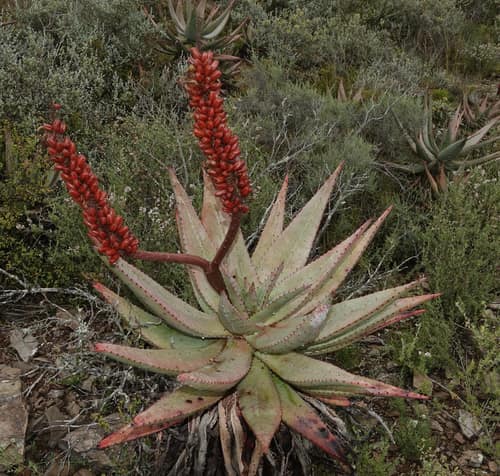
Same Family (c) desertnaturalist, some rights reserved (CC BY), uploaded by desertnaturalist · cc-by
Help improve the field guideSomething wrong?
Checking your Fauna account…Report a name, category, or profile issue for review.