
Species · GBIF taxon 9518324
Procyon cancrivorus
procyon cancrivorusAlso known as Southern Raccoon, South American Raccoon, Aguará Popé, Crab-eating Mapache
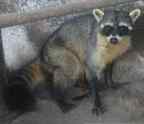
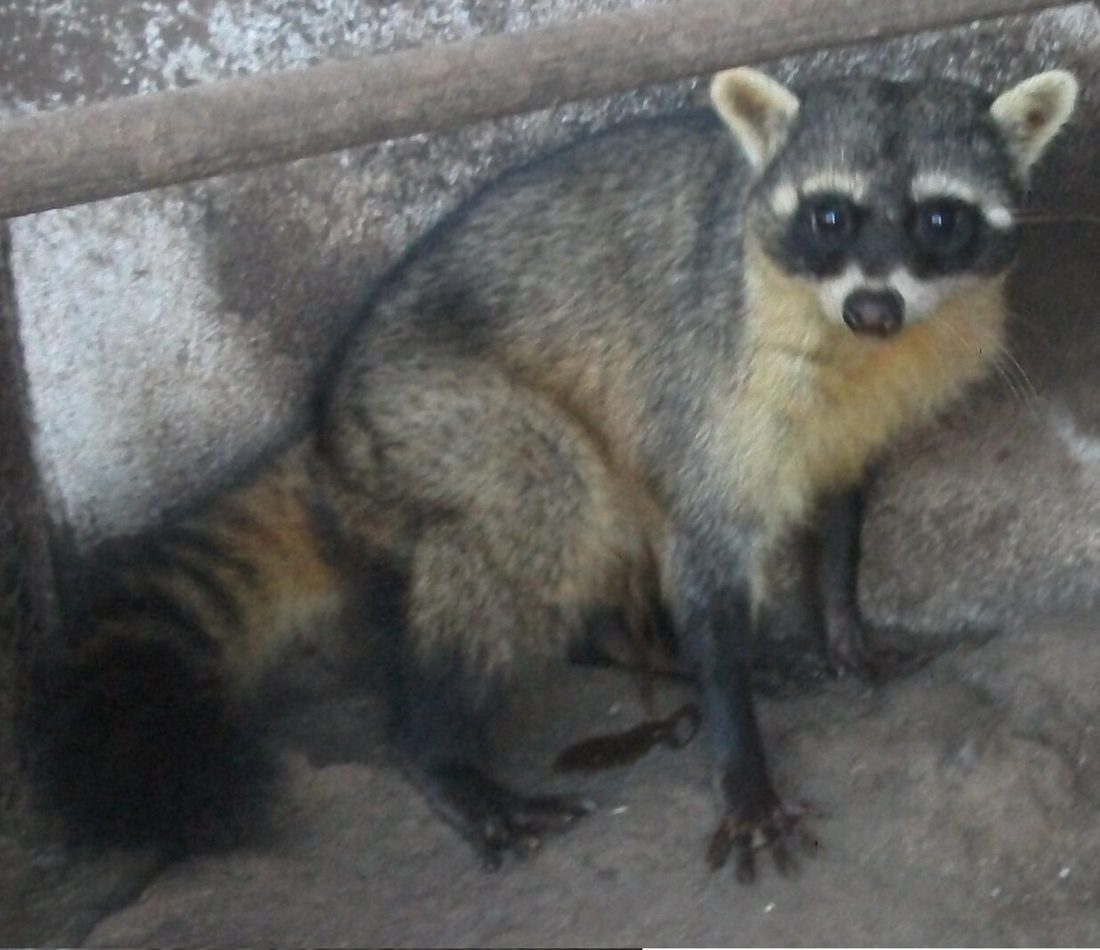
Crab-eating raccoons are sleek, short-furred omnivores perfectly adapted for life along tropical waterways and mangrove swamps. Unlike their northern cousins, they possess specialized, unretractable claws designed for digging up crustaceans and cracking open tough shells. They lead solitary, nocturnal lives, using their highly sensitive forepaws to forage underwater without needing to see their prey.
NocturnalSemi-aquaticSolitary
—observations
—countries
—peak records
Least ConcernConservation statusIUCN Red List categoriesLCNTVUENCREWEXLeast ConcernRed List categories, explained →
Diet & prey
- Crabs
- Crayfish
- Frogs
Predators
- Jaguars
- Pumas
- Caimans
ThreatsHabitat loss, water pollution, and hunting for fur or pet trade
HabitatsMangroves, freshwater marshes, swamps, and wet tropical forests
Life span10 to 14 years in the wild
Size / weightNot available
Classification
- OrderCarnivora
- FamilyProcyonidae
- GenusProcyon
- Speciesprocyon cancrivorus
Range data is not available yet.
Interaction riskLow
- Low
- Moderate
- High
- Very high
- Why interaction risk is low
- Capable of a defensive bite or scratch if cornered; observe from a safe distance.
- Why it is dangerous
- Equipped with sharp teeth and strong claws that can inflict deep wounds if they feel threatened or cornered.
- How to recognize a risky encounter
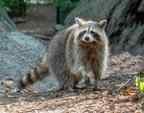
- Distinguished by its black eye mask, ringed tail, and sleeker, shorter coat than the northern raccoon.
- What to do
- Never approach, corner, or attempt to touch; back away slowly if one displays defensive postures like growling.
Responsible observation
- Look near water: Search muddy banks and shorelines at dawn or dusk for their distinctive hand-like tracks.
- Keep your distance: Avoid cornering or attempting to feed them, as they can defend themselves aggressively.
- Secure food: Keep campsites and trash secured when staying near their marshy habitats.
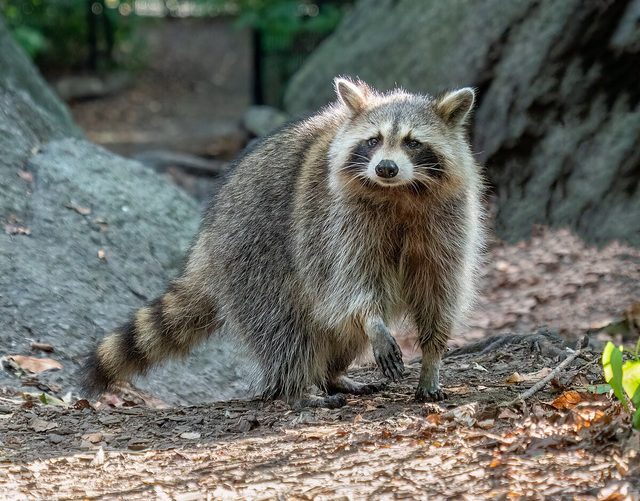
Close Relative Rhododendrites / CC BY-SA 4.0 · cc-by-sa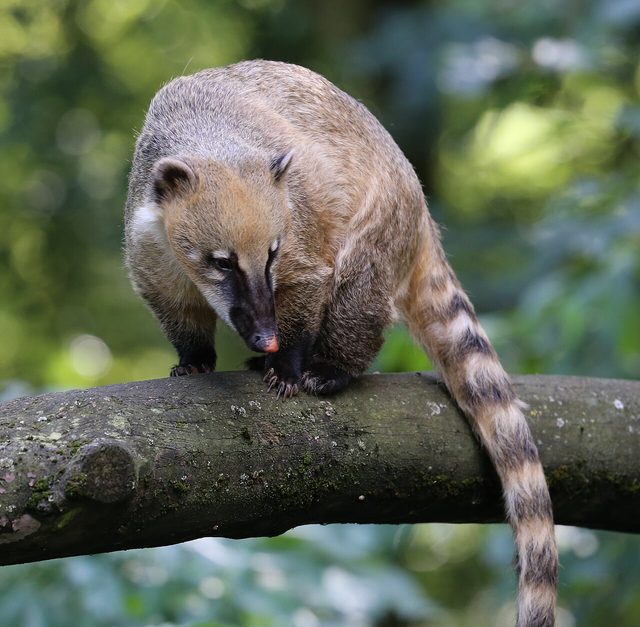
Close Relative Rufus46 / CC BY-SA 3.0 · cc-by-sa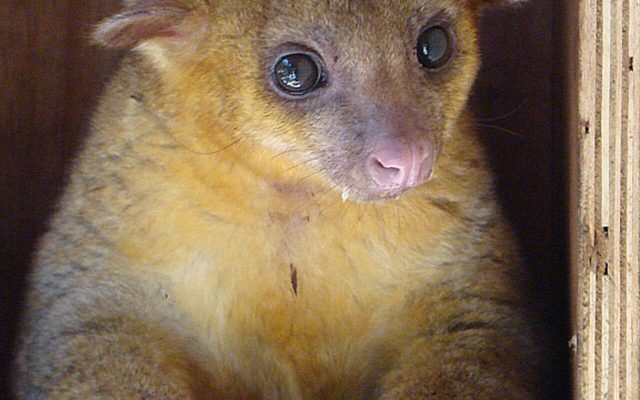
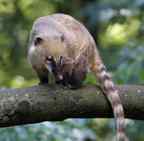
Close Relative Dick Culbert from Gibsons, B.C., Canada / CC BY 2.0 · cc-by
Keep collecting in Fauna
Continue in the app Found in Collections
Species set
Urban Dwellers
Procyon cancrivorus is found in this collection. Identify it in Fauna to fill this slot and continue your progress.
—/7
Help improve the field guideSomething wrong?
Checking your Fauna account…Report a name, category, or profile issue for review.