
Bird
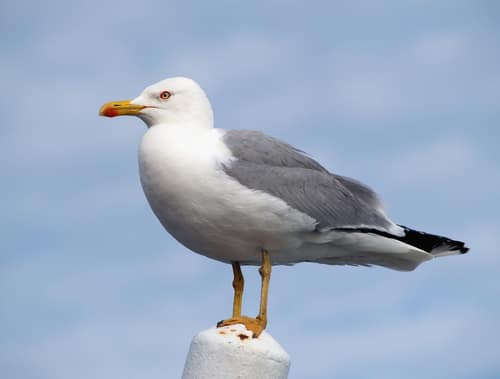
Yellow-legged Gull
Larus michahellisAlso known as Western Yellow-legged Gull
Yellow-legged gulls dominate Mediterranean and southern European coastlines, filling rocky shores and bustling seaside harbors with their loud, laughing territorial calls. Pairs form lifelong monogamous bonds and frequently nest in noisy colonies atop sea cliffs, offshore islets, or increasingly on city rooftops. Highly resourceful foragers, they track fishing trawlers for discarded catch, hunt small mammals in agricultural fields, and exploit urban refuse bins with equal agility.
SeabirdOmnivorousColonial

—observations
—countries
—peak records
Least ConcernConservation statusIUCN Red List categoriesLCNTVUENCREWEXLeast ConcernRed List categories, explained →
Diet & preyMarine fish, Crabs, Field voles
Predators
- Red Fox
- Peregrine Falcon
- Eurasian Eagle-owl
ThreatsDirect persecution, urban culling programs, plastic ingestion, and fishing hook entanglement
HabitatsCliffs, rocky islands, sandy beaches, coastal lagoons, harbors, and urban rooftops
Life span15–25 years
Classification
- OrderCharadriiformes
- FamilyLaridae
- GenusLarus
- SpeciesLarus michahellis
Range data is not available yet.
Interaction riskLow
- Low
- Moderate
- High
- Very high
- Why interaction risk is low
- Nesting adults will dive-bomb intruders near chicks; maintain distance from colonies and rooftop nests.
- Why it is dangerous
- Adults defend territories aggressively during nesting season, executing rapid dive-bombs and beak strikes that can cause painful scalp cuts.
- How to recognize a risky encounter
- Look for a heavy yellow bill with a prominent red spot, brilliant yellow legs, and medium-grey upperwings.
- What to do
- Raise an open umbrella or stick above your head and retreat calmly if a gull begins alarm calling or swooping low.
Responsible observation
- Nesting buffer: Give rooftop and cliffside nests a wide berth to avoid triggering aggressive alarm calls and aerial swoops.
- Identification check: Look for bright yellow legs and a red ring circling the pale eye to confirm the species.
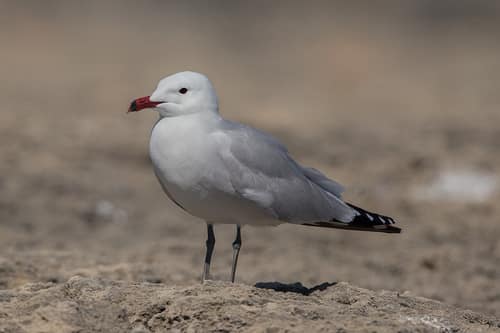
Competitor Andreas Trepte / CC BY-SA 2.5 · cc-by-sa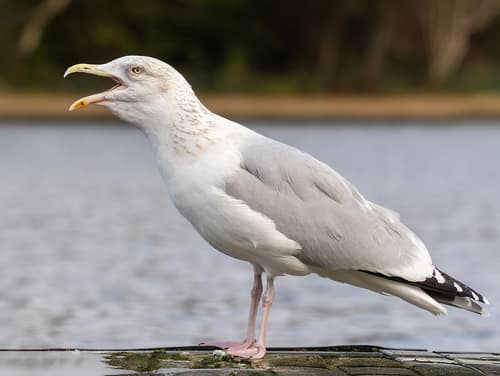
Close Relative Rhododendrites / CC BY-SA 4.0 · cc-by-sa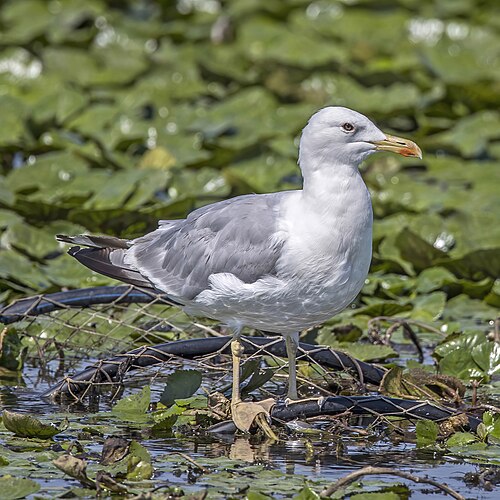
Close Relative Charles J. Sharp / CC BY-SA 4.0 · cc-by-sa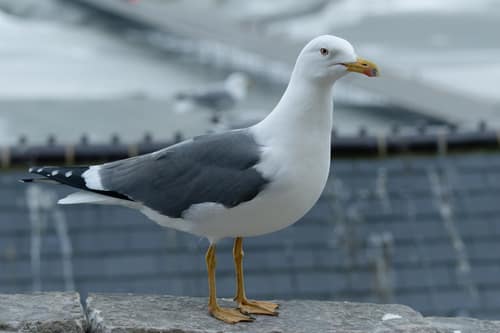
Close Relative (c) Donald Davesne, some rights reserved (CC BY), uploaded by Donald Davesne · cc-by
Keep collecting in Fauna
Found in Collections
Species set Pro
Shore Life
Yellow-legged Gull is found in this collection. Identify it in Fauna to fill this slot and continue your progress.
Unlock to track progress
Help improve the field guideSomething wrong?
Checking your Fauna account…Report a name, category, or profile issue for review.