
Bird · GBIF taxon 2484445
Tricolored Blackbird
Agelaius tricolorAlso known as Tricolor Blackbird
Tricolored blackbirds form the densest breeding colonies of any North American landbird, gathering by the tens of thousands in freshwater marshes and grain fields. Males display glossy black plumage with intense red epaulets edged in bright white, singing nasal, buzzing songs to attract mates. Rapid agricultural harvesting and habitat loss have severely impacted these highly social songbirds across their restricted Pacific coast range.
ColonialSongbird

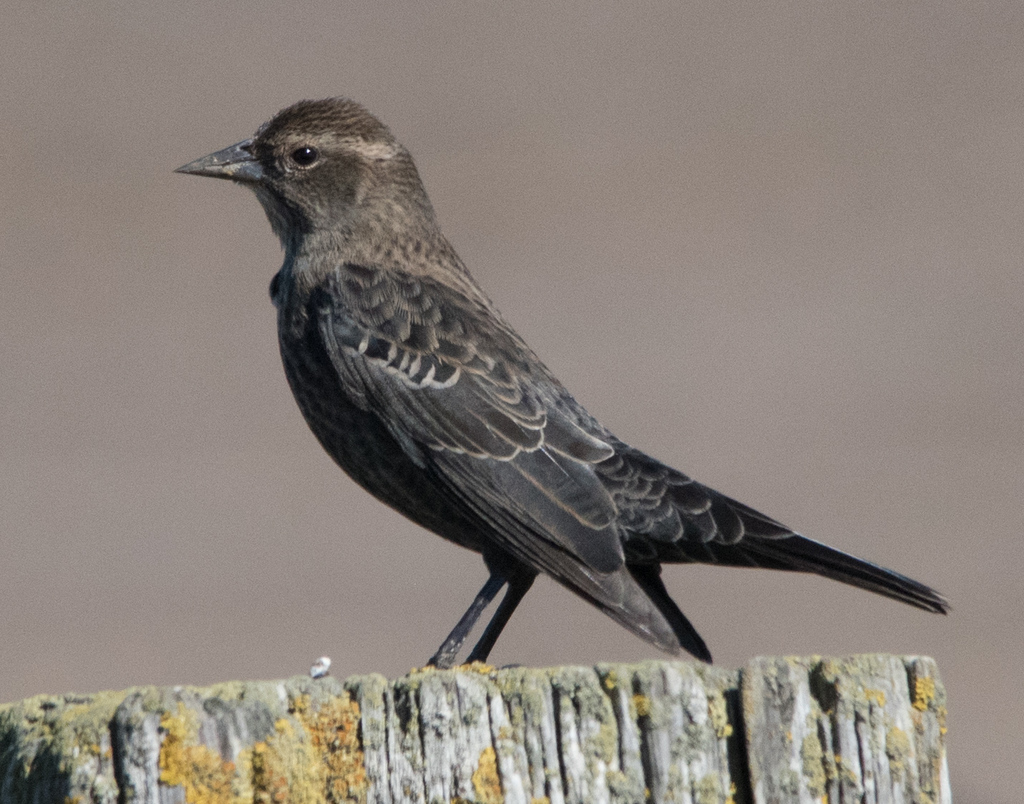 1 / 7
1 / 7—observations
—countries
—peak records
EndangeredConservation statusIUCN Red List categoriesLCNTVUENCREWEXEndangeredRed List categories, explained →
Diet & prey
- Grasshoppers
- Beetles
- Caterpillars
Predators
- Coyotes
- Northern Harriers
- Black-crowned Night-Herons
ThreatsHabitat loss, nesting disruption from crop harvesting, and pesticides
HabitatsFreshwater marshes, grasslands, and agricultural fields
Life span5–10 years
Size / weightNot available
Classification
- FamilyIcteridae
- SpeciesAgelaius tricolor
Range data is not available yet.
Interaction riskLow
- Low
- Moderate
- High
- Very high
- Why interaction risk is low
- Safe to observe at a normal distance.
- What to notice
- Recognized by glossy black plumage and dark red shoulder patches trimmed with a distinct white margin.
- Support conservation
- Maintain a wide distance from nesting colonies in farmland or wetlands to prevent colony abandonment.
Responsible observation
- Viewing Colonies: Keep a respectful distance from nesting colonies to avoid causing mass flushing of adult birds.
- Identification Cue: Look for the crisp white border along the bright red shoulder patch of breeding males.
- Listen for Calls: Distinguish them from Red-winged Blackbirds by their nasal, lower-pitched, harsh song.

Nesting Companion Blalonde / CC BY-SA 4.0 · cc-by-sa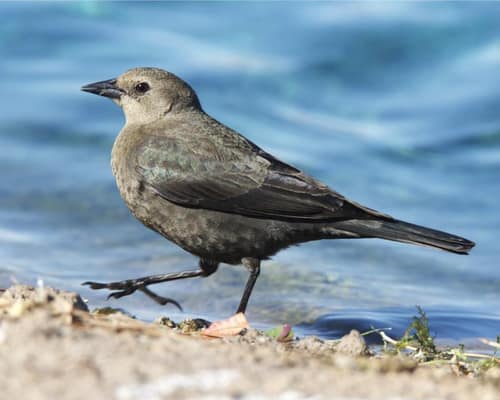
Flockmate (c) Lip Kee, some rights reserved (CC BY-SA) · cc-by-sa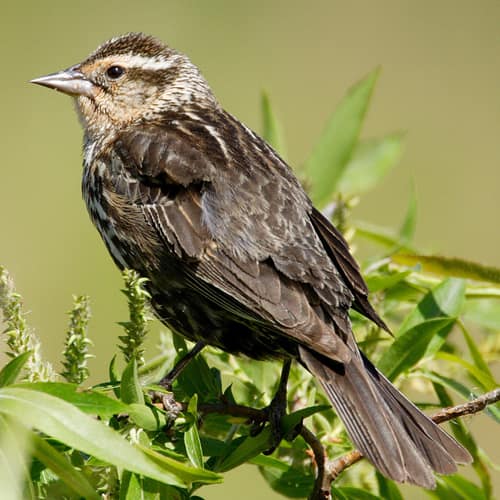
Close Relative (c) anonymous, some rights reserved (CC BY-SA) · cc-by-sa
Help improve the field guideSomething wrong?
Checking your Fauna account…Report a name, category, or profile issue for review.