
Invertebrate
Tokummia katalepsis
Tokummia katalepsisTokummia katalepsis patrolled Cambrian seafloors over 500 million years ago, representing one of the earliest known stem-mandibulate arthropods. Equipped with broad, pincer-like claws and serrated gnathobases, it crushed soft-bodied seafloor prey before transferring pieces to its mouth. Its bivalved carapace covered roughly fifty body segments, making it a substantial and formidable bottom-dweller of ancient tropical marine waters.
Cambrian ArthropodCarnivorous
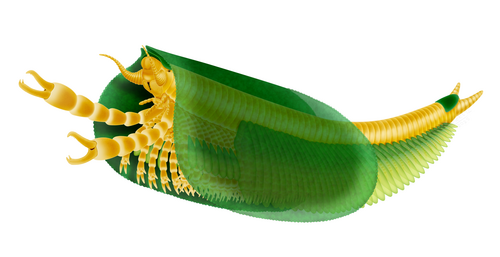
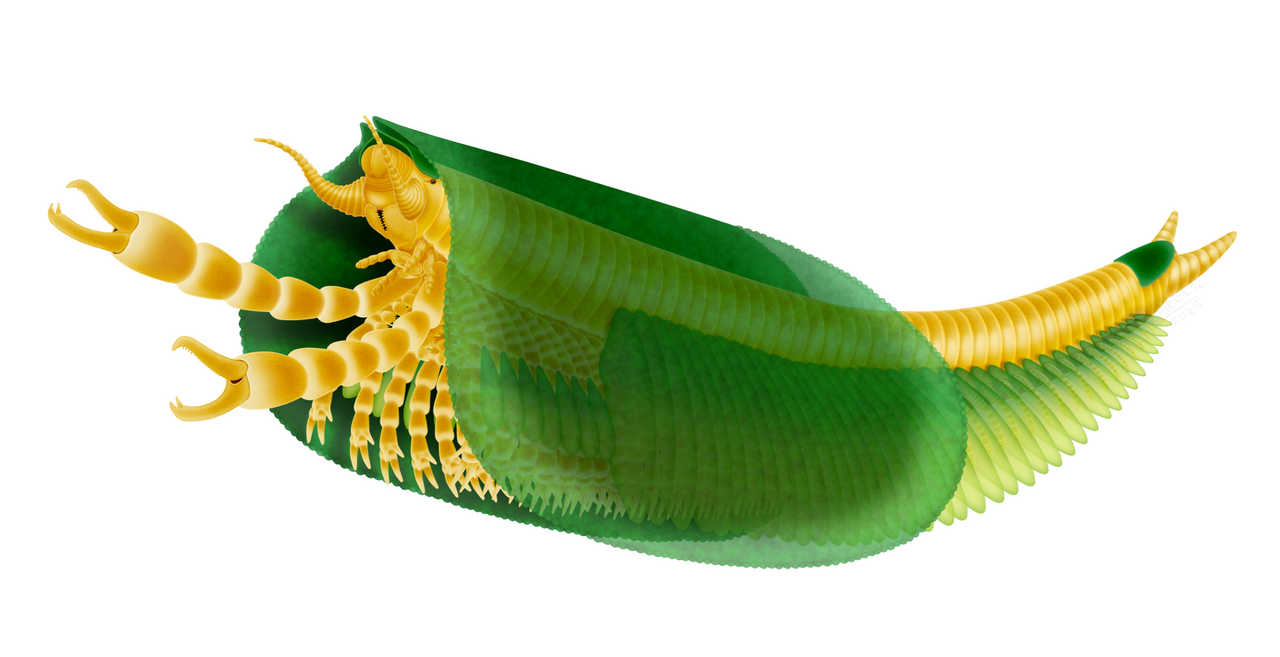
—observations
—countries
—peak records
ExtinctConservation statusIUCN Red List categoriesLCNTVUENCREWEXExtinctRed List categories, explained →
Diet & preyBurgess Shale polychaete worms, Priapulid worms, Small benthic soft-bodied animals
Predators
- Anomalocaris canadensis
- Titanokorys gainesi
- Cambroraster falcatus
ThreatsCambrian marine turnover events and rapid environmental shifts
HabitatsCambrian shallow marine continental shelves and mudflats
Life spanUnknown
Classification
- FamilyTokummiidae
- SpeciesTokummia katalepsis
Range data is not available yet.
Interaction riskLow
- Low
- Moderate
- High
- Very high
- Why interaction risk is low
- Extinct fossil arthropod; completely safe to observe in museum collections.
Responsible observation
- Museum Observation: Examine articulated specimens in paleontology exhibits under angled raking light to see carapaces.
- Fossil Ethics: Marble Canyon fossils reside in protected Canadian national parks where collecting is strictly prohibited.
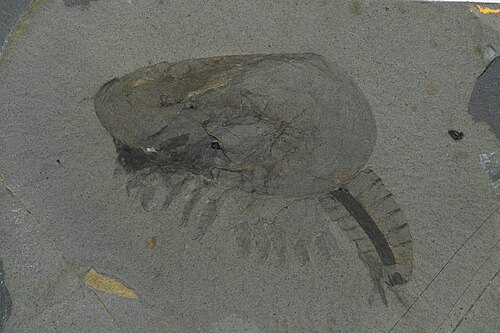
Fellow Hymenocarine Jean-Bernard Caron / CC0 · cc0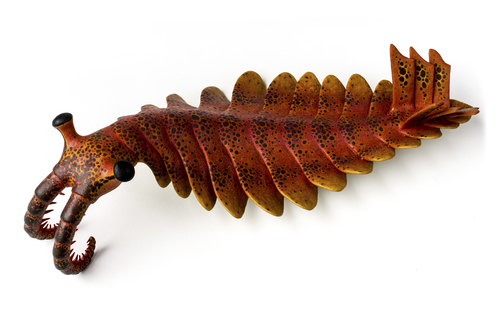
Predator (c) anonymous, some rights reserved (CC BY-SA) · cc-by-sa Image unavailable
Burgess Shale Companion 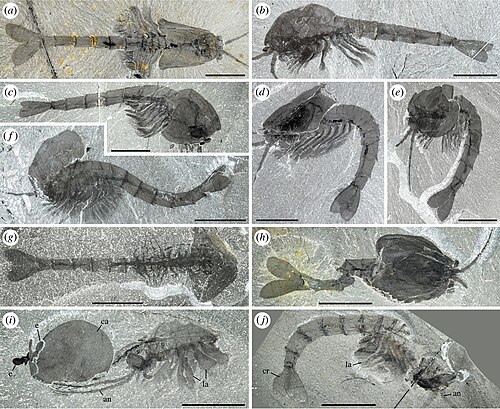
Contemporary Crustaceanomorph Jean Vannier, Cédric Aria, Rod S. Taylor and Jean-Bernard Caron / CC BY 4.0 · cc-by
Help improve the field guideSomething wrong?
Checking your Fauna account…Report a name, category, or profile issue for review.