
Invertebrate
Waptia fieldensis
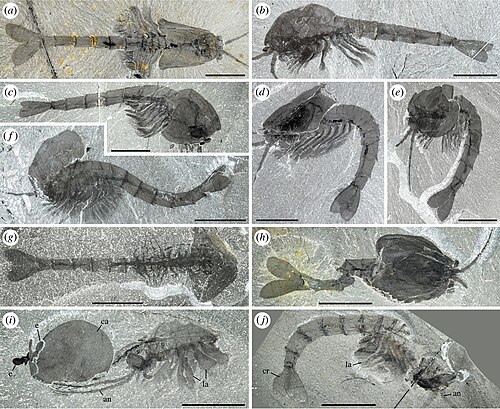
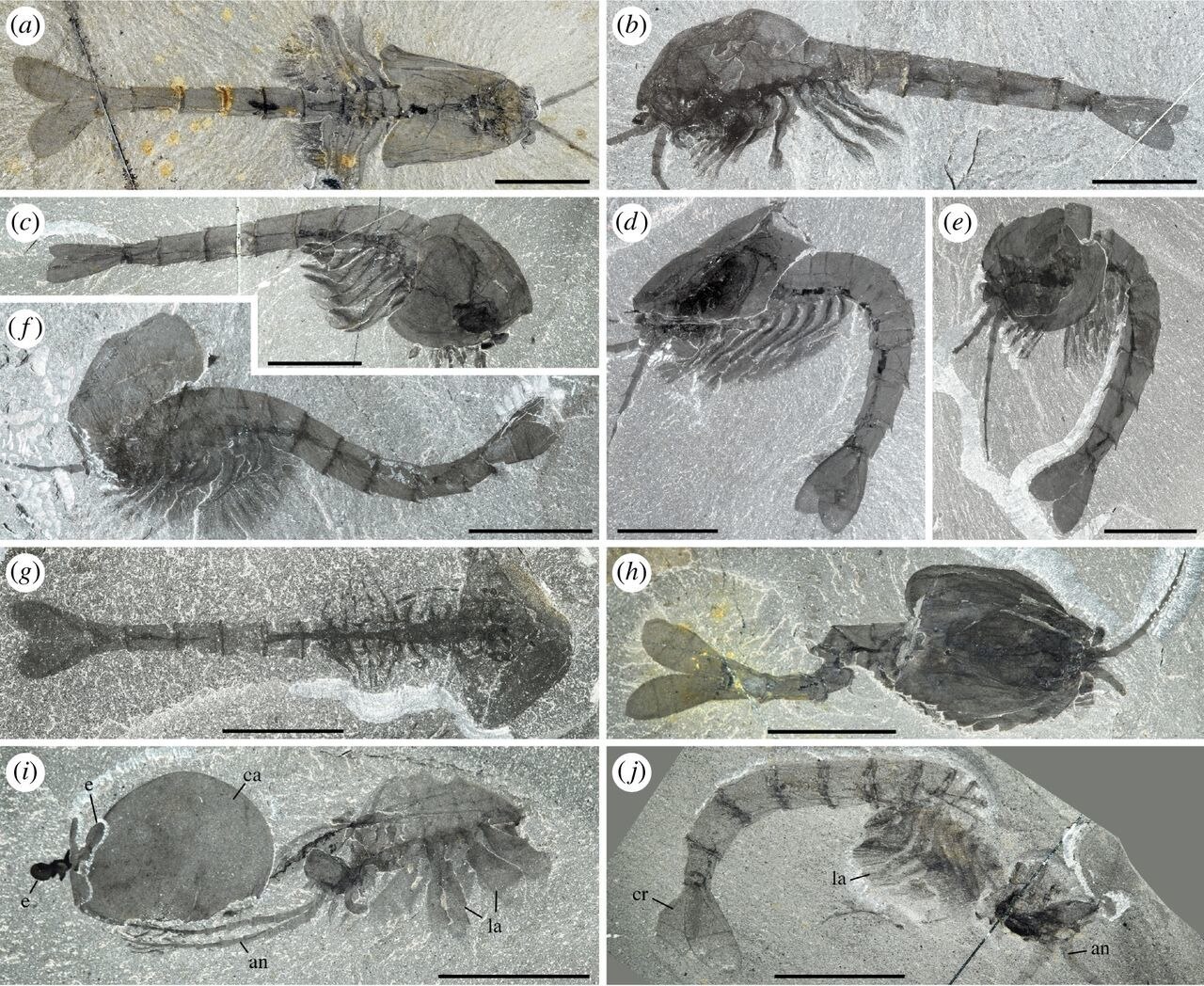
Waptia fieldensisWaptia fieldensis was a sleek, shrimp-like marine arthropod that swam actively through the shallow Cambrian seas over 500 million years ago. Its streamlined bivalved carapace sheltered delicate appendages, while a flexible abdomen ended in broad, paddle-like tail flaps used for propulsion and steering. Notably, fossil specimens preserve clusters of eggs sheltered beneath the female carapace, representing the earliest known direct evidence of maternal brood care in the animal kingdom.
FossilCambrian
—observations
—countries
—peak records
ExtinctConservation statusIUCN Red List categoriesLCNTVUENCREWEXExtinctRed List categories, explained →
Diet & preySmall soft-bodied worms, Small swimming organisms, Microbial detritus
Predators
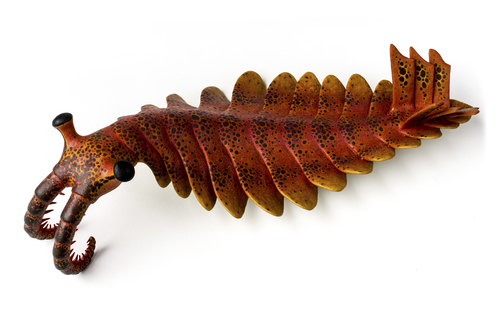
- Anomalocaris canadensis
- Larger Cambrian radiodonts
ThreatsCambrian marine extinction events and ecological turnover
HabitatsMiddle Cambrian marine waters and seafloor environments
Life spanUnknown (inferred months to 1-2 years)
Classification
- FamilyWaptiidae
- SpeciesWaptia fieldensis
Range data is not available yet.
Interaction riskLow
- Low
- Moderate
- High
- Very high
- Why interaction risk is low
- Extinct species known only from Cambrian fossil deposits.
Responsible observation
- Field observation: Look for delicate fossil impressions preserved in Burgess Shale or Spence Shale slabs.
- Fossil examination: Use directional raking light under magnification to discern carapace details and leg appendages.
- Museum etiquette: Handle fossil slabs solely by their sturdy rock edges to prevent chipping fragile relief.
Predator (c) anonymous, some rights reserved (CC BY-SA) · cc-by-sa
Co-occurring Arthropod Jean-Bernard Caron / CC0 · cc0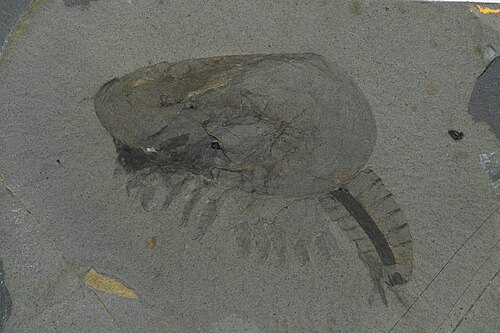
Related Arthropod Jean-Bernard Caron / CC0 · cc0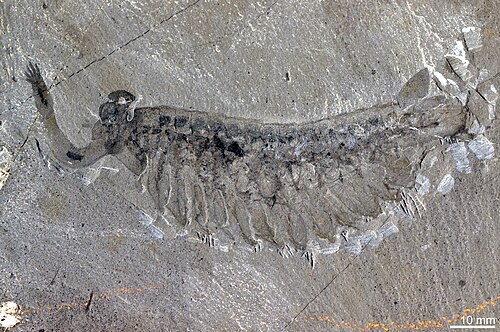
Co-occurring Invertebrate Han Zeng / CC0 · cc0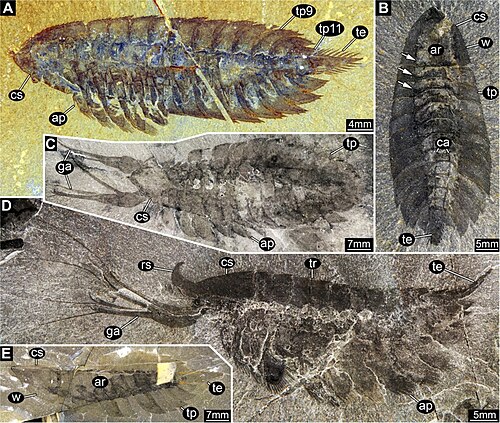
Co-occurring Arthropod Haug et al. / CC BY-SA 4.0 · cc-by-sa
Help improve the field guideSomething wrong?
Checking your Fauna account…Report a name, category, or profile issue for review.