
Insect · GBIF taxon 9402991
Resh Cicada
Megatibicen reshAlso known as Western Dusk Singing Cicada, Resh Annual Cicada
Resh cicadas are large, striking insects adorned with green, black, and reddish-orange camouflage patterns that allow them to vanish against hardwood bark. Males gather in canopy foliage during hot summer afternoons and evenings, generating an electric, droning call produced by vibrating internal organ membranes called tymbals. Nymphs spend several years underground feeding on root xylem sap before tunneling to the surface to transform into winged adults.
Loud CallTree DwellingSummer Insect
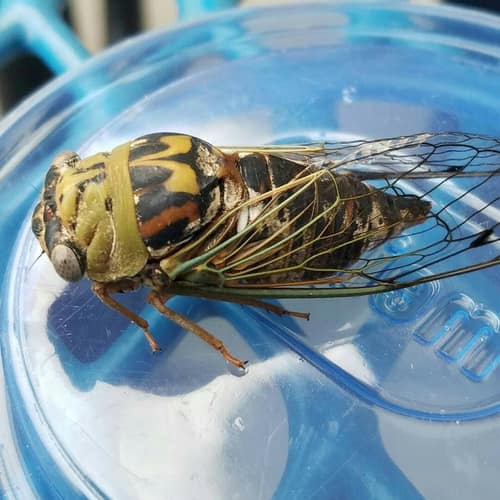
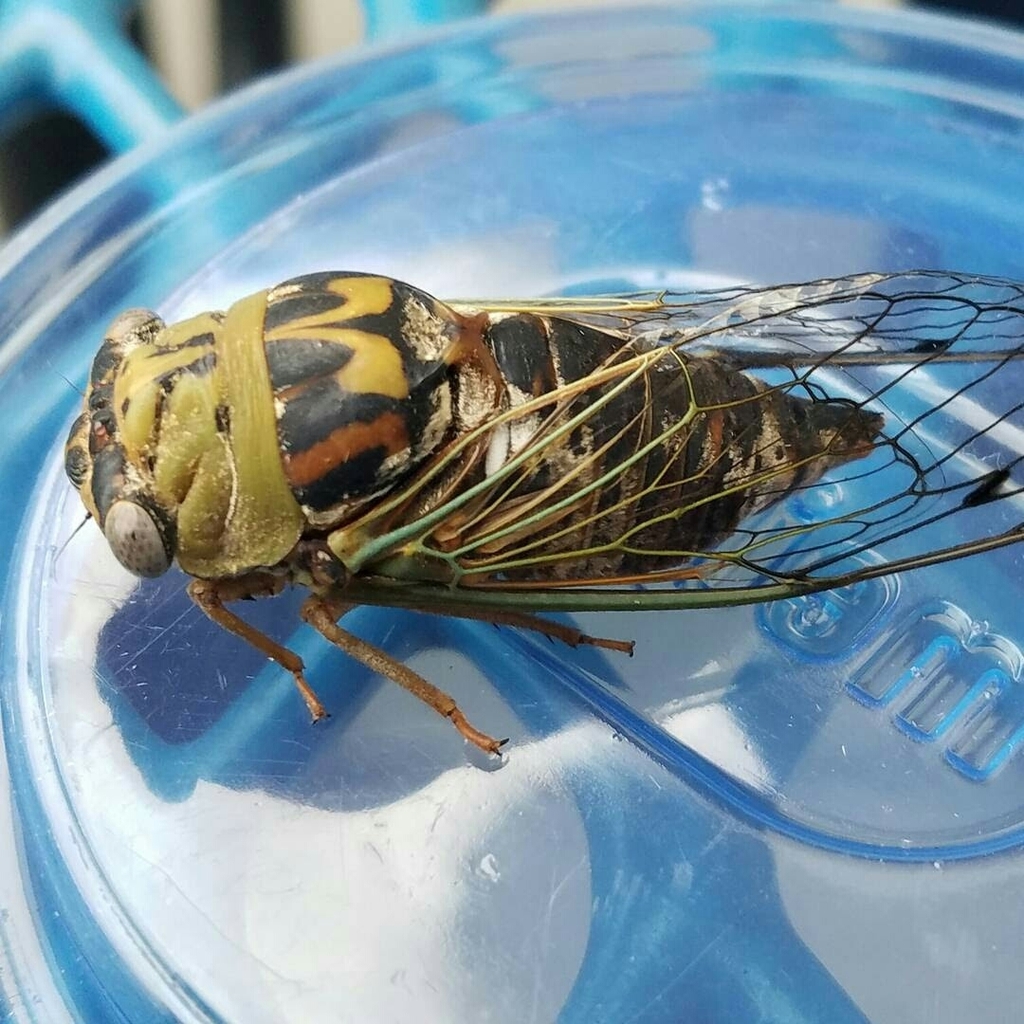 1 / 7
1 / 7—observations
—countries
—peak records
Not EvaluatedConservation statusIUCN Red List categoriesLCNTVUENCREWEXNot Evaluated — not placed on the risk ladderRed List categories, explained →
Diet & prey
- Plant xylem sap (tree roots for nymphs, branches for adults)
Predators
- Birds
- Cicada Killer Wasps
- Spiders
ThreatsPesticide application, severe droughts, and urban tree clearing
HabitatsDeciduous forests, river valleys, woodlands, and suburban parks
Life span3–5 years (mostly underground as nymphs; adults live 2–5 weeks)
Size / weightNot available
Classification
- OrderHemiptera
- FamilyCicadidae
- GenusMegatibicen
- SpeciesMegatibicen resh
Range data is not available yet.
Interaction riskLow
- Low
- Moderate
- High
- Very high
- Why interaction risk is low
- Safe to observe at a normal distance.
Responsible observation
- Spotting: Search lower tree trunks for empty brownish exuviae shells left behind after molting.
- Listening: Follow the dry, buzzing drone that intensifies during hot late afternoons and evenings.
- Handling: Gently hold adults by the sides of the thorax; they are harmless to humans.
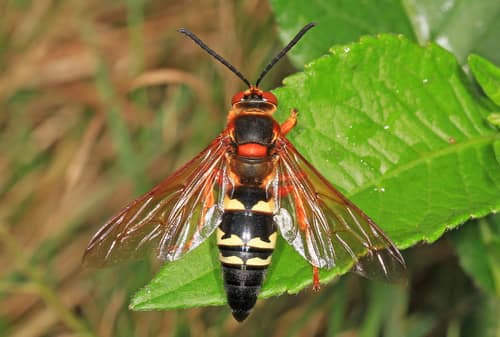
Predator (c) Judy Gallagher, some rights reserved (CC BY-SA), uploaded by Judy Gallagher · cc-by-sa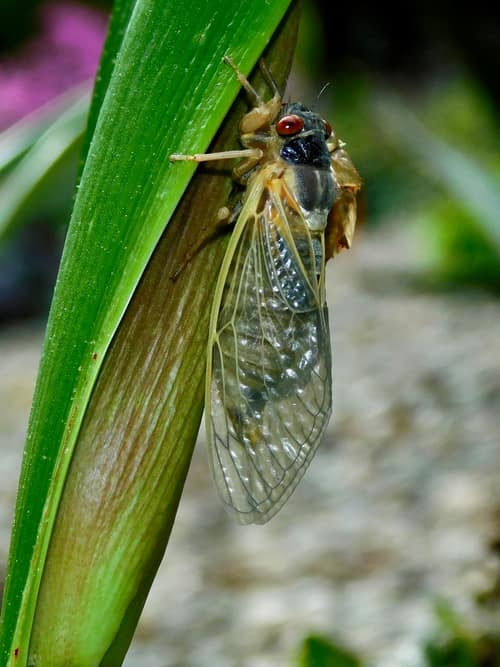
Cousin (c) Michael J. Papay, some rights reserved (CC BY) · cc-by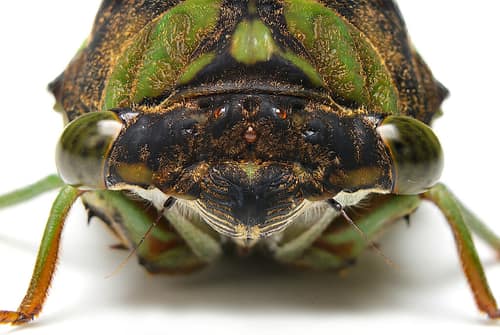
Close Relative (c) Matthew Lindsey, some rights reserved (CC BY) · cc-by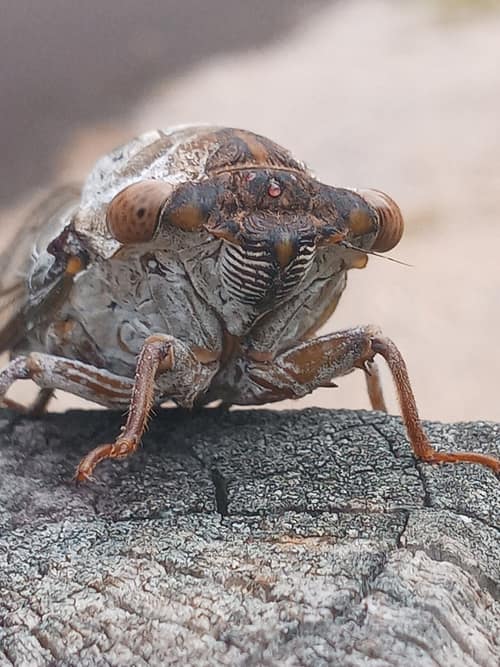
Close Relative jupiterswasphouse Depicted place: Mississippi, USA (34°46′39″N 88°32′40″W / 34.777474°N 88.544553°W / 34.777474; -88.544553) / CC BY-SA 4.0 · cc-by-sa
Help improve the field guideSomething wrong?
Checking your Fauna account…Report a name, category, or profile issue for review.