
Plant · GBIF taxon 9382645
Virginian Rose
Rosa virginianaAlso known as Virginia Rose, Common Wild Rose
Virginian roses form dense, suckering thickets across moist clearings, meadows, and coastal shores throughout eastern North America. In midsummer, fragrant pink blossoms open amidst glossy foliage, providing rich nectar reserves for native bees and pollinators. Bright red hips mature by autumn and remain on woody, prickly stems through winter, offering a critical food source for foraging songbirds.
NativeFloweringShrub
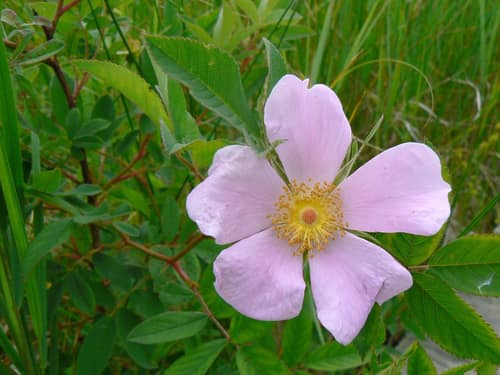
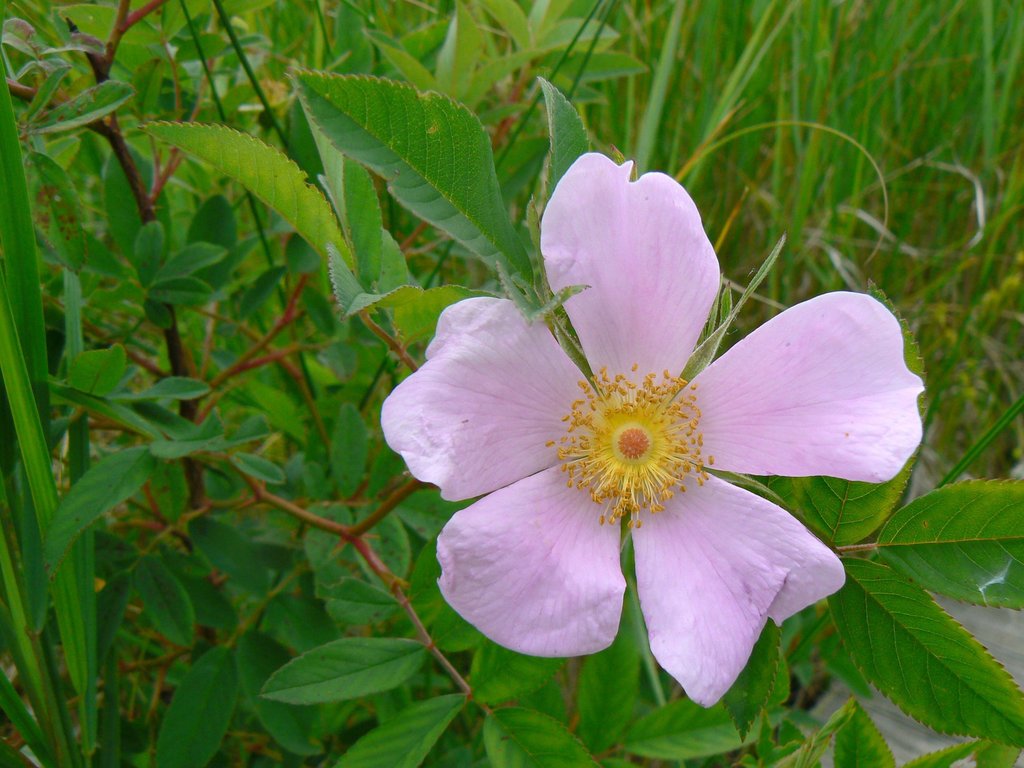
—observations
—countries
—peak records
Least ConcernConservation statusIUCN Red List categoriesLCNTVUENCREWEXLeast ConcernRed List categories, explained →
Diet & prey
- Autotrophic (Photosynthetic)
Predators
- White-tailed Deer
- Eastern Cottontail
- Rose Aphid
ThreatsHabitat conversion, invasive plant competition, and heavy deer browsing
HabitatsClearings, thickets, shores, meadows, and forest edges
Life span20–50 years (suckering colonies persist indefinitely)
Size / weightNot available
Classification
- FamilyRosaceae
- SpeciesRosa virginiana
Range data is not available yet.
Interaction riskLow
- Low
- Moderate
- High
- Very high
- Why interaction risk is low
- Wild rose hips have toxic look-alikes; never eat wild fruits based on app identification alone.
Responsible observation
- Observation Distance: Stand slightly back from thickets to avoid sharp, hooked prickles on mature stems.
- Pollinator Watching: Visit flowering patches on sunny midsummer mornings to observe visiting native bees.
- Winter Identification: Look for persistent bright red hips and glossy reddish stems in cold months.
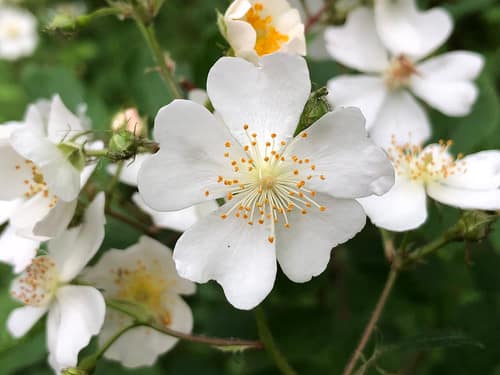
Invasive Competitor Famartin / CC BY-SA 4.0 · cc-by-sa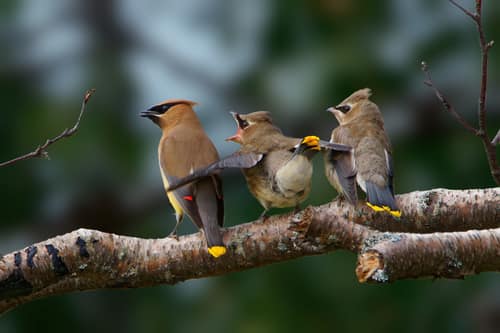
Seed Disperser (c) Christian Back, some rights reserved (CC BY), uploaded by Christian Back · cc-by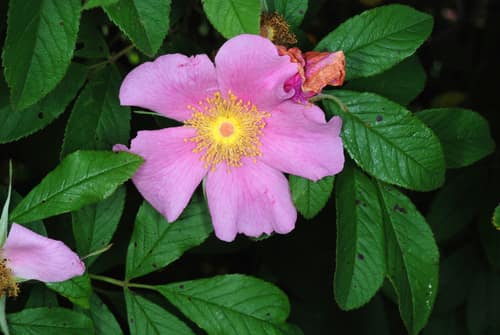
Close Relative (c) Douglas Goldman, some rights reserved (CC BY-SA), uploaded by Douglas Goldman · cc-by-sa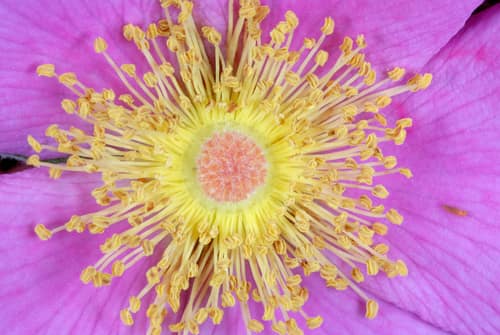
Close Relative (c) Douglas Goldman, some rights reserved (CC BY-SA) · cc-by-sa
Help improve the field guideSomething wrong?
Checking your Fauna account…Report a name, category, or profile issue for review.