
Invertebrate
Swimming Cynara
Kynaria cynaraAlso known as Cynara Nudibranch
Swimming Cynara navigates rocky subtidal reefs with striking grace, utilizing sudden, rhythmic side-to-side body flexions to launch itself into open water when evading bottom-dwelling predators. Its body bristles with inflated, pale-tipped cerata that serve double duty as respiratory structures and defensive arsenals, storing live stinging cells sequestered from its food. Found primarily along tropical and subtropical Eastern Pacific reefs, it glides across boulder fields in search of branching hydroid colonies.
MarineCarnivorousColorful
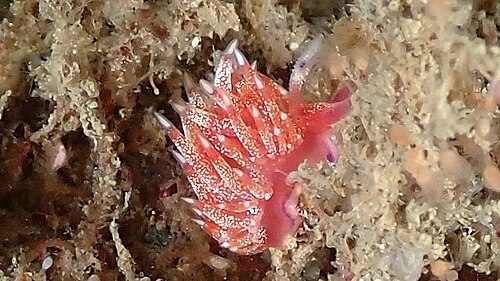
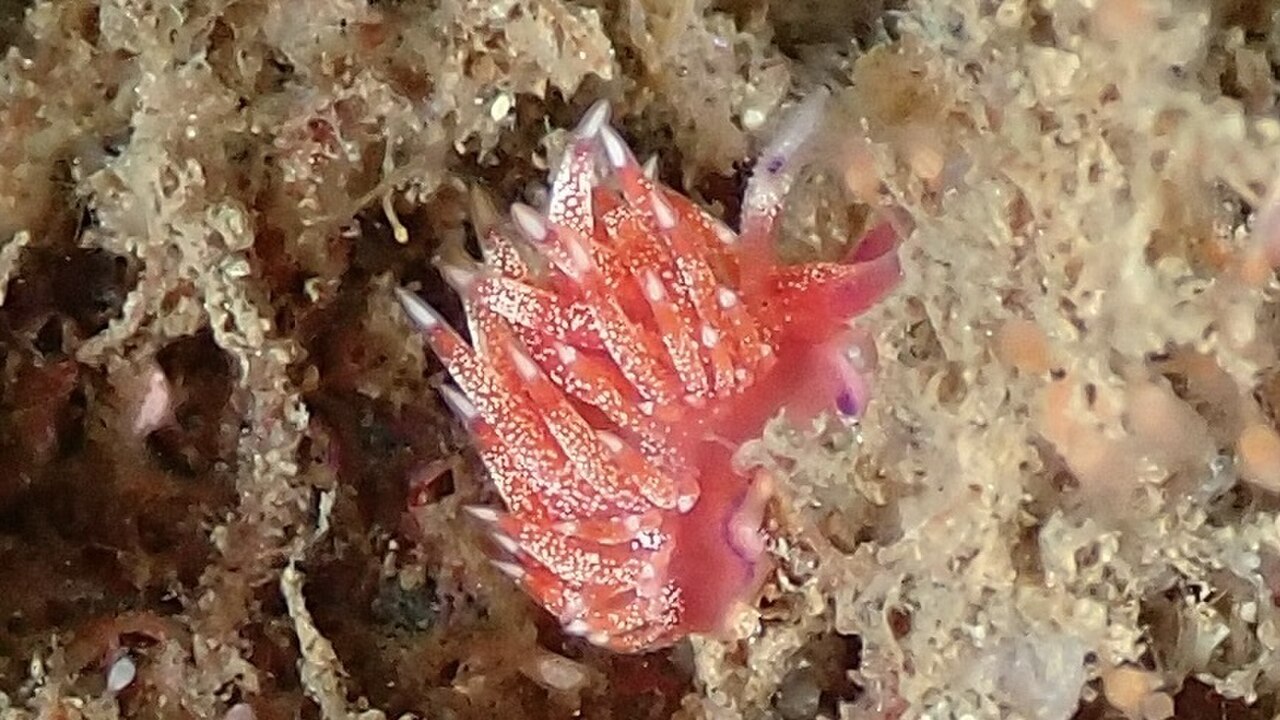
—observations
—countries
—peak records
Not EvaluatedConservation statusIUCN Red List categoriesLCNTVUENCREWEXNot Evaluated — not placed on the risk ladderRed List categories, explained →
Diet & preyEudendrium Hydroids, Plumularia Hydroids, Colonial Hydrozoans
Predators
- Navanax Inermis
- Sea Stars
- Bottom-feeding Fish
ThreatsOcean warming, localized marine pollution, and habitat degradation
HabitatsSubtidal rocky reefs, boulder fields, and kelp margins
Life span6–12 months
Classification
- FamilyApataidae
- SpeciesKynaria cynara
Range data is not available yet.
Interaction riskLow
- Low
- Moderate
- High
- Very high
- Why interaction risk is low
- Harmless to humans; safe to observe from a respectful distance while diving or snorkeling.
Responsible observation
- Buoyancy Control: Maintain neutral buoyancy while diving to avoid kicking up silt or damaging the slug.
- Lighting Caution: Use soft video lighting rather than continuous harsh strobes to avoid stressing the animal.
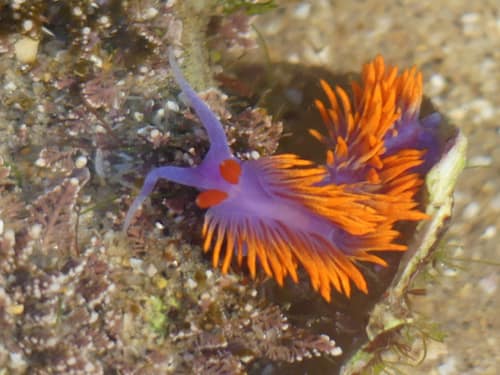
Ecological Neighbor NPS Photo / Public domain · cc0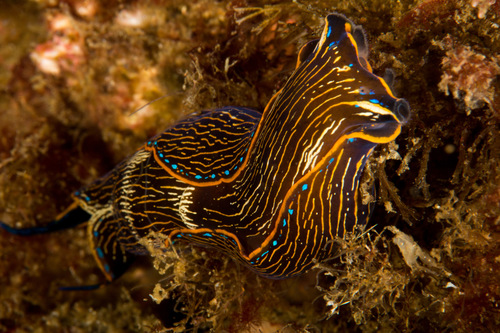
Predator (c) Yury Velikanau, some rights reserved (CC BY) · cc-by
Help improve the field guideSomething wrong?
Checking your Fauna account…Report a name, category, or profile issue for review.