
Plant · GBIF taxon 9278365
Tropical Sage
Salvia coccineaAlso known as Blood Sage, Scarlet Sage, Texas Sage
Tropical sage brightens open woodlands, coastal sandy soils, and garden beds with elongated spikes of brilliant scarlet blossoms. Upright, squarish stems bear triangular downy leaves that release a gentle aromatic scent when brushed or crushed. Nectar-rich tubular flowers bloom continuously from spring until the first winter freeze, serving as a vital refueling station for migrating hummingbirds and butterflies.
FloweringPollinator AttractorPerennial
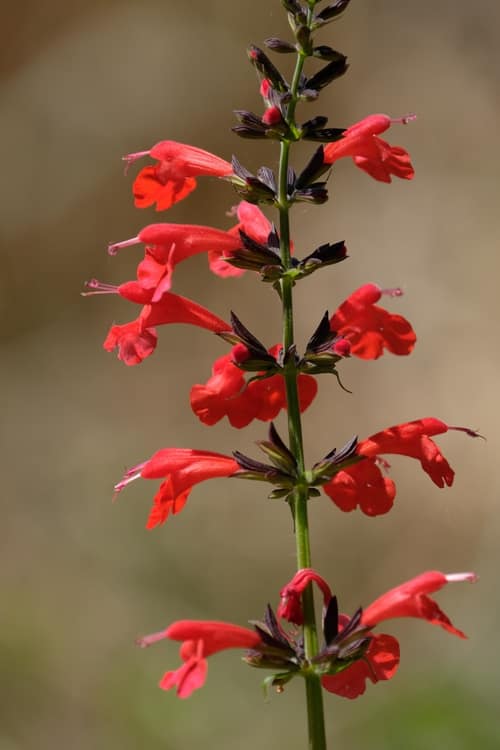
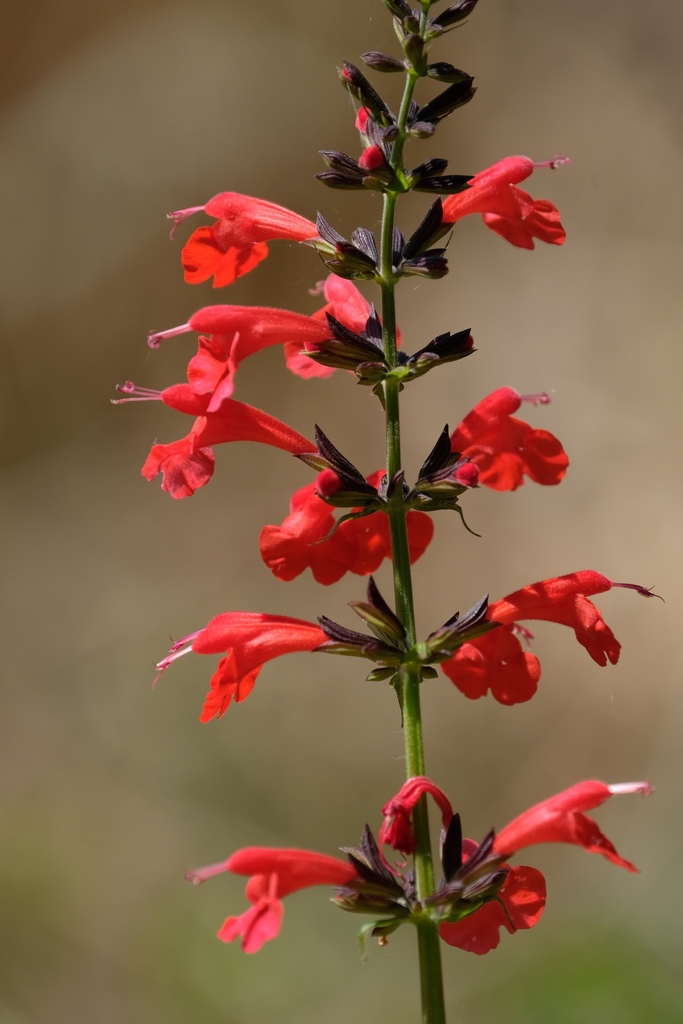
—observations
—countries
—peak records
Not EvaluatedConservation statusIUCN Red List categoriesLCNTVUENCREWEXNot Evaluated — not placed on the risk ladderRed List categories, explained →
Diet & prey
- Autotrophic (Photosynthesis)
Predators
- Slugs
- Snails
- Caterpillars
ThreatsSevere frost, aggressive invasive weeds, habitat destruction
HabitatsCoastal dunes, sandy woods, open fields, disturbed areas
Life span3–5 years (often grown as an annual in freezing climates)
Classification
- OrderLamiales
- FamilyLamiaceae
- GenusSalvia
- SpeciesSalvia coccinea
Range data is not available yet.
Interaction riskLow
- Low
- Moderate
- High
- Very high
- Why interaction risk is low
- Safe to observe at a normal distance.
Responsible observation
- Gardening: Plant in well-drained soil under full sun or light shade to maximize continuous blooming.
- Observation: Watch quietly during warm mornings to spot hummingbirds probing the tubular flowers.
- Maintenance: Trim back faded flower stalks in early spring to stimulate vigorous bushier growth.
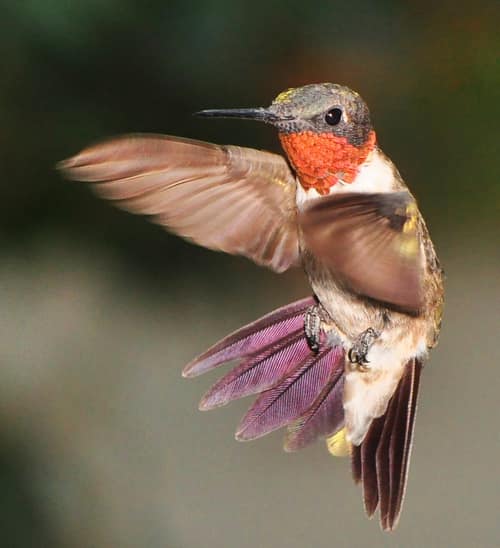
Pollinator jeffreyw / CC BY 2.0 · cc-by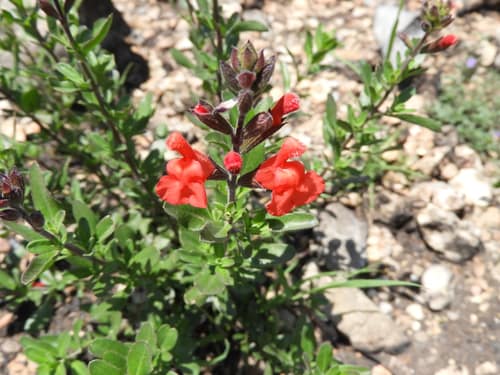
Close Relative (c) Leticia Jiménez Hernández, some rights reserved (CC BY-SA), uploaded by Leticia Jiménez Hernández · cc-by-sa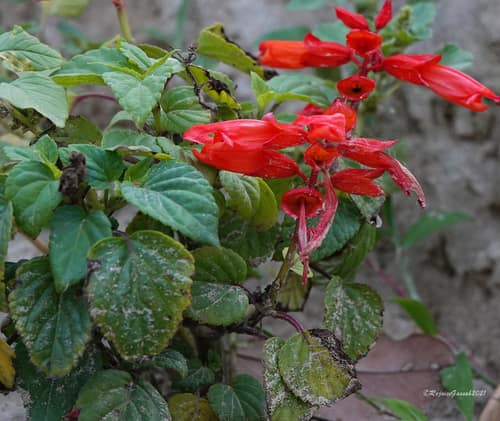
Close Relative (c) Rejoice Gassah, some rights reserved (CC BY), uploaded by Rejoice Gassah · cc-by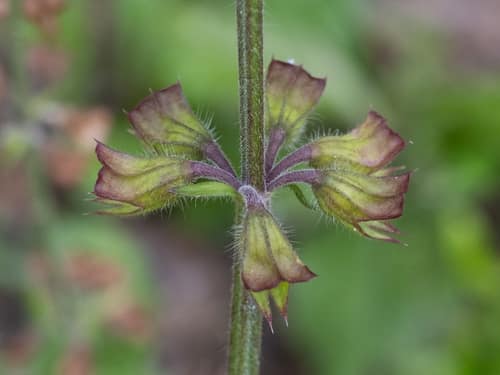
Close Relative (c) Alex Abair, some rights reserved (CC BY), uploaded by Alex Abair · cc-by
Help improve the field guideSomething wrong?
Checking your Fauna account…Report a name, category, or profile issue for review.