
Fish · GBIF taxon 9245001
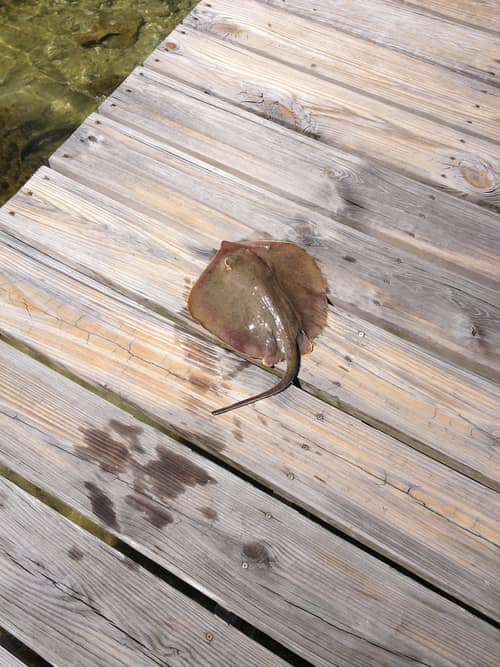
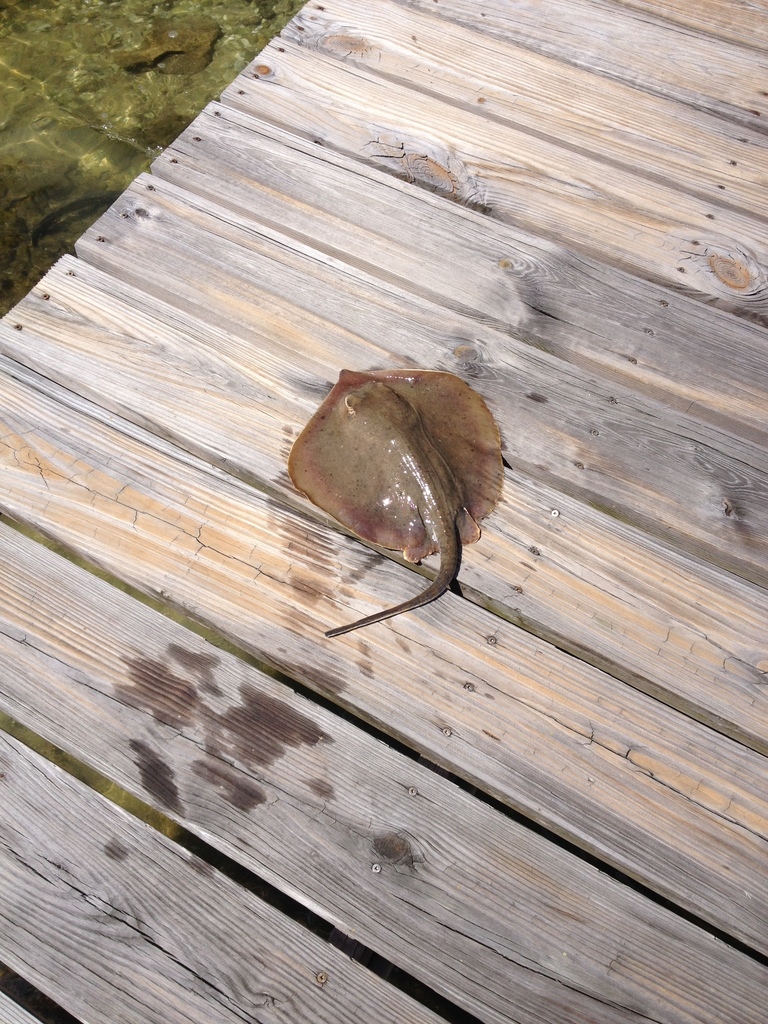
Atlantic Stingray
Hypanus sabinusAlso known as Freshwater Stingray, Stingaree
Atlantic stingrays are small, adaptable batoids renowned for their ability to thrive across a wide salinity gradient, from full-strength seawater to landlocked freshwater river systems. They spend daylight hours partially buried under soft mud or sand, using specialized electroreceptive ampullae of Lorenzini to detect buried invertebrates. When winter temperatures drop, coastal populations typically migrate into deeper, warmer shelf waters or estuarine channels.
MarineVenomousBottom Dweller
—observations
—countries
—peak records
Least ConcernConservation statusIUCN Red List categoriesLCNTVUENCREWEXLeast ConcernRed List categories, explained →
Diet & prey
- Polychaete Worms
- Amphipods
- Small Crabs
Predators
- Bull Shark
- Tiger Shark
- Alligator
ThreatsBycatch in commercial gillnets and trawls, shoreline development, and habitat degradation
HabitatsShallow coastal bays, estuaries, tidal lagoons, and freshwater river systems
Life span10–18 years
Size / weightNot available
Classification
- OrderMyliobatiformes
- FamilyDasyatidae
- GenusHypanus
- SpeciesHypanus sabinus
Range data is not available yet.
Interaction riskVery high
- Low
- Moderate
- High
- Very high
- Why interaction risk is very high
- Carries a venomous serrated tail barb; shuffle feet when wading in shallow sandy waters.
- Why it is dangerous
- The tail spine delivers a proteinaceous venom that causes excruciating localized pain, tissue necrosis, and secondary bacterial infections.
- How to recognize a risky encounter
- Look for a small, brownish spade-shaped disc with a distinctly elongated, triangular snout resting on the substrate.
- What to do
- Shuffle your feet when walking in shallow water, and immerse any accidental sting wounds in hot water before seeking medical care.
Responsible observation
- Stingray Shuffle: Shuffle your feet along the sand when wading to nudge resting rays away safely.
- Handling Precautions: Never grab an untethered ray or step directly onto sandy depressions in shallow surf.
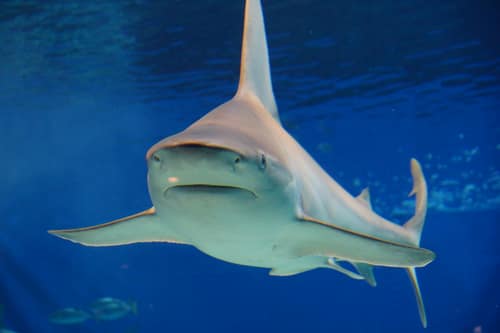
Predator "オオメジロザメ Bull shark" by ume-y is licensed under CC BY 2.0. To view a copy of this license, visit https://creativecommons.org/licenses/by/2.0/. · cc-by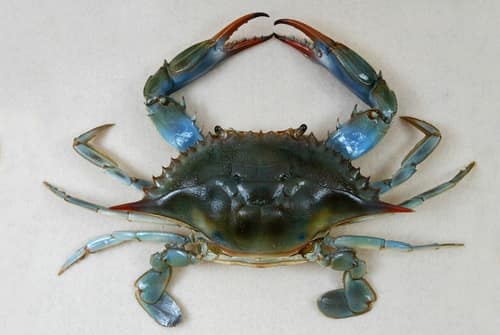
Prey Wikimedia Commons / CC BY-SA 3.0 · cc-by-sa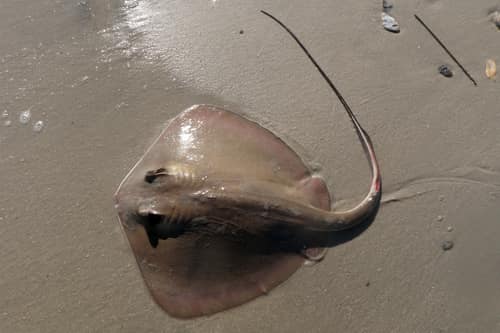
Close Relative (c) toadlady1, some rights reserved (CC BY) · cc-by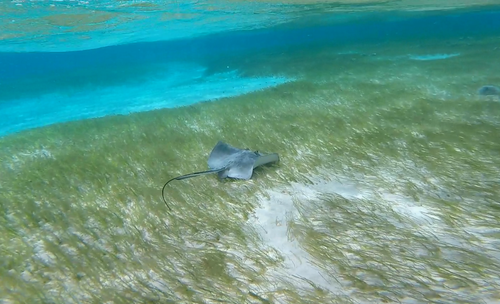
Close Relative (c) Luciano Massa, some rights reserved (CC BY), uploaded by Luciano Massa · cc-by
Help improve the field guideSomething wrong?
Checking your Fauna account…Report a name, category, or profile issue for review.