
Invertebrate
Atlantic Blue Crab
Callinectes sapidusAlso known as Blue Crab, Maryland Blue Crab, Chesapeake Blue Crab
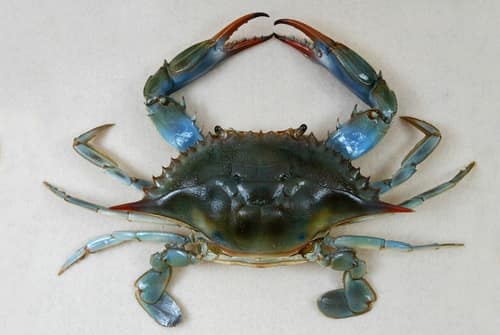
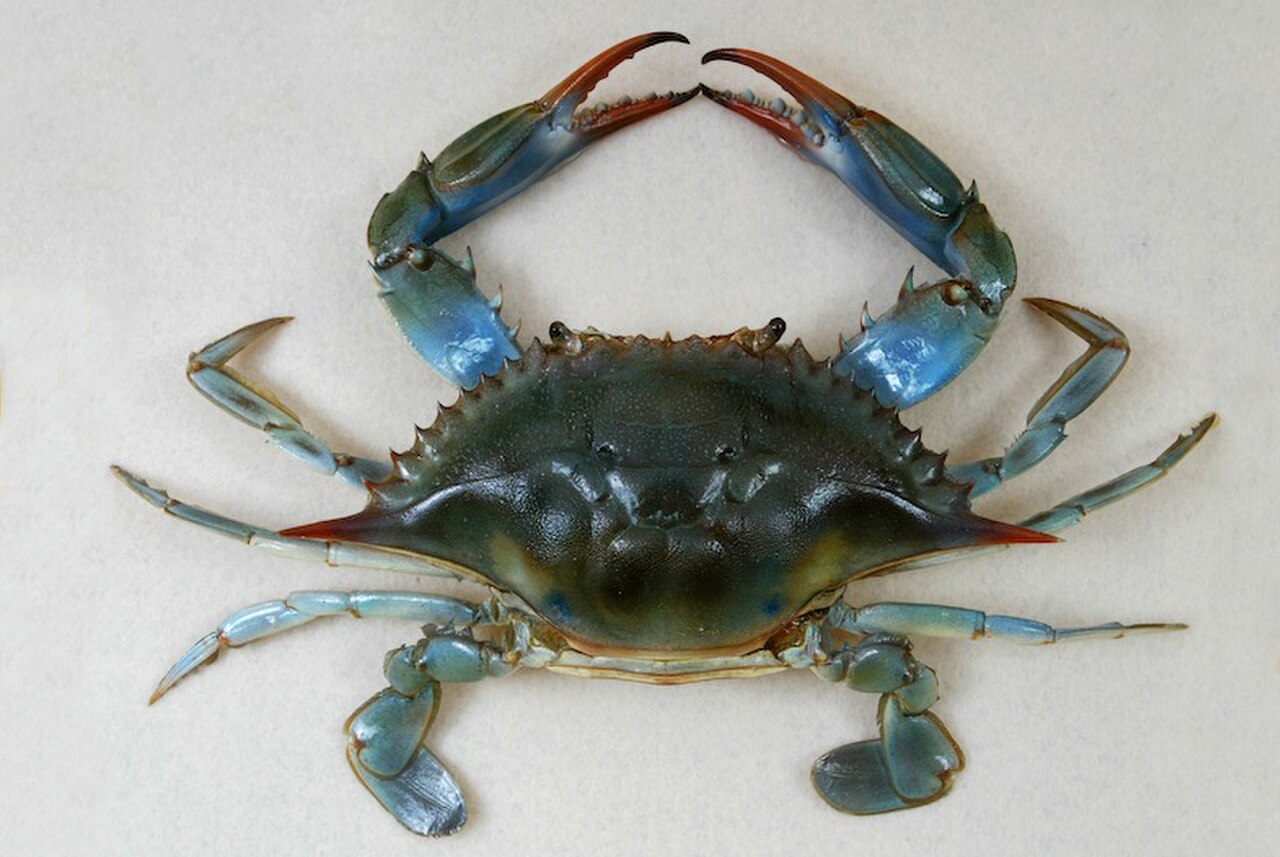
Atlantic blue crabs are fierce, highly active swimmers recognizable by their bright blue claws and paddle-shaped rear legs. Females undergo a dramatic physiological transformation before mating, developing rounded bellies and bright red claw tips. Crucial to coastal food webs, these crustaceans serve as both industrious scavengers and vital prey for fish, birds, and marine mammals.
CrustaceanMarineSwimmer
—observations
—countries
—peak records
Not EvaluatedConservation statusIUCN Red List categoriesLCNTVUENCREWEXNot Evaluated — not placed on the risk ladderRed List categories, explained →
Diet & preyHard Clams, Eastern Oysters, Small Fish
Predators
- Striped Bass
- Red Drum
- Herring Gulls
ThreatsOverfishing, water pollution, habitat loss, oxygen-depleted dead zones
HabitatsEstuaries, coastal bays, salt marshes, shallow ocean waters
Life span3–8 years
Classification
- OrderDecapoda
- FamilyPortunidae
- GenusCallinectes
- SpeciesCallinectes sapidus
Range data is not available yet.
Interaction riskLow
- Low
- Moderate
- High
- Very high
- Why interaction risk is low
- Pincers are strong and sharp; handle with care behind the rear swimming legs.
- Why it is dangerous
- Powerful claw muscles combined with sharp pincer tips can inflict deep cuts and painful puncture wounds.
- How to recognize a risky encounter
- Look for an olive-green shell, bright blue legs, and prominent side spines framing the carapace.
- What to do
- Never grab near the front or side spines; pick up strictly from behind the rear swimming legs.
Responsible observation
- Safe handling: Grasp firmly from the very back edge of the carapace or the bases of the rear paddle legs.
- Observe behavior: Look for paddle-shaped rear legs used to swim swiftly sideways or backward through water.
- Determine sex: Check the belly apron, which is T-shaped in males, triangular in immatures, and rounded in mature females.
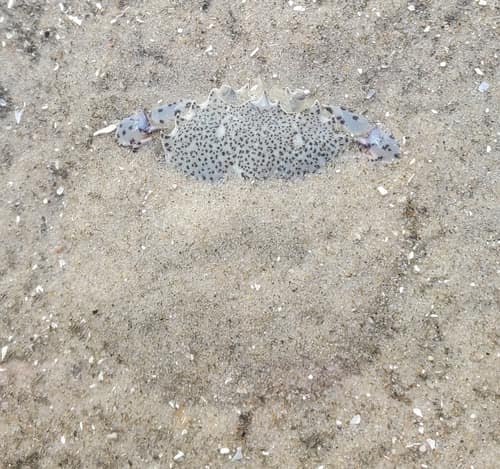
Co-occurring Species (c) Ali Campbell, some rights reserved (CC BY) · cc-by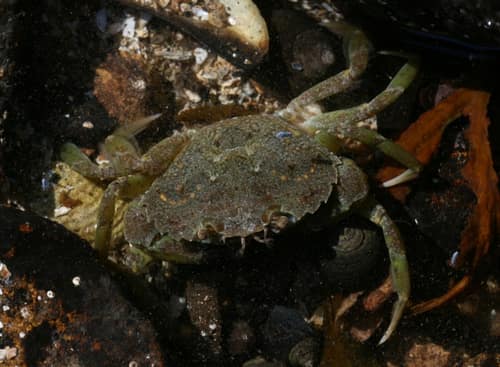
Competitor (c) Sandy Rae, some rights reserved (CC BY) · cc-by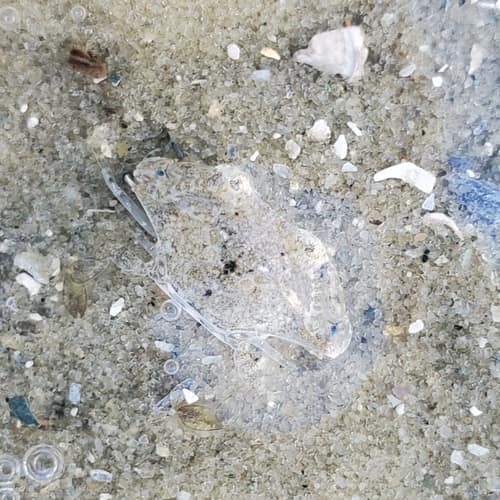
Close Relative (c) Sarah Abbate, some rights reserved (CC BY) · cc-by
Keep collecting in Fauna
Found in Collections
Species set Pro
Shore Life
Atlantic Blue Crab is found in this collection. Identify it in Fauna to fill this slot and continue your progress.
Unlock to track progress
Help improve the field guideSomething wrong?
Checking your Fauna account…Report a name, category, or profile issue for review.