
Insect · GBIF taxon 9243239
Chrysis smaragdula
Chrysis smaragdulaAlso known as Emerald Cuckoo Wasp
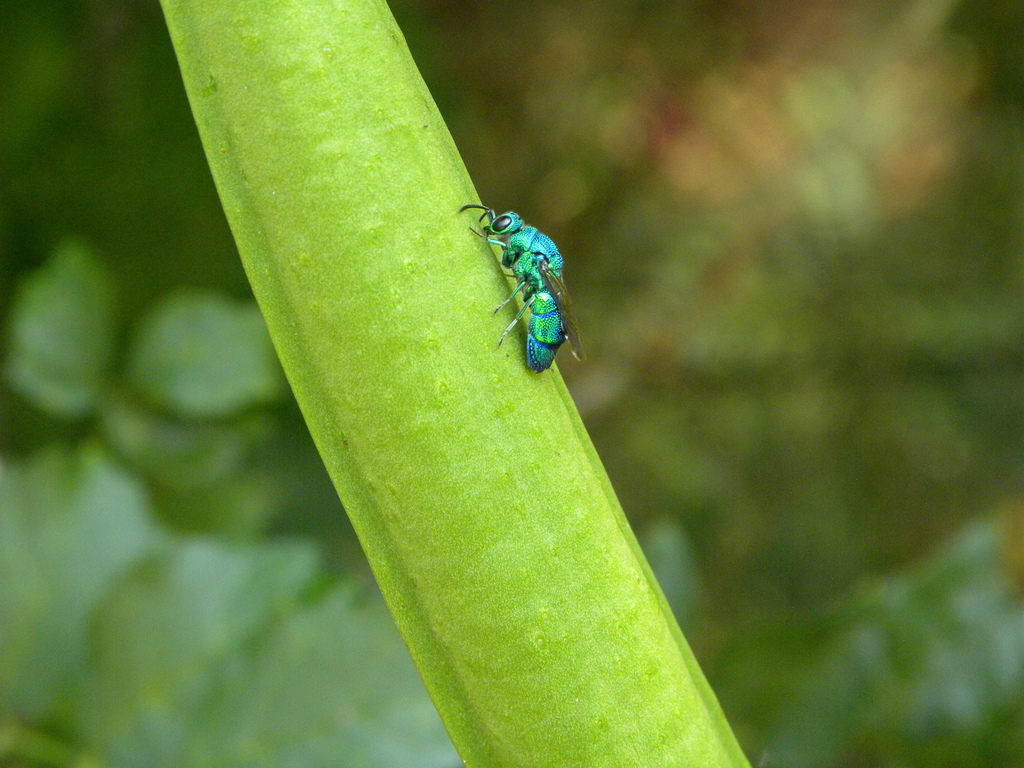
These brilliantly colored cuckoo wasps glitter with vivid metallic emerald and cyan tones across their heavily pitted, armored bodies. Females infiltrate the nests of solitary wasps and bees to lay their eggs, allowing their larvae to consume the host's stored provisions and offspring. When attacked by an indignant host defending its burrow, the adult wasp tucks its legs and curls into an impenetrable, armored sphere.
MetallicParasiticDiurnal

—observations
—countries
—peak records
Not EvaluatedConservation statusIUCN Red List categoriesLCNTVUENCREWEXNot Evaluated — not placed on the risk ladderRed List categories, explained →
Diet & prey
- Flower nectar
- Pollen
- Host provisions
Predators
- Jumping spiders
- Robber flies
- Insectivorous birds
ThreatsPesticide use and decline of solitary host wasp populations
HabitatsOpen woodlands, meadows, forest edges, and sunny gardens
Life span1 year (mostly spent as overwintering larva and pupa)
Size / weightNot available
Classification
- OrderHymenoptera
- FamilyChrysididae
- GenusChrysis
- SpeciesChrysis smaragdula
Range data is not available yet.
Interaction riskLow
- Low
- Moderate
- High
- Very high
- Why interaction risk is low
- Safe to observe at a normal distance; sting is modified for egg-laying and cannot harm humans.
Responsible observation
- Sunlit Walls: Look for them running rapidly across old wooden fences, dead wood, or sunny stone walls near mud-dauber nests.
- Flower Visits: Watch flat-topped floral clusters like goldenrod, Queen Anne's lace, and sumac where adults sip nectar on warm afternoons.
- Close Approach: Move slowly with a macro lens, as sudden shadows cause them to drop or fly away quickly.
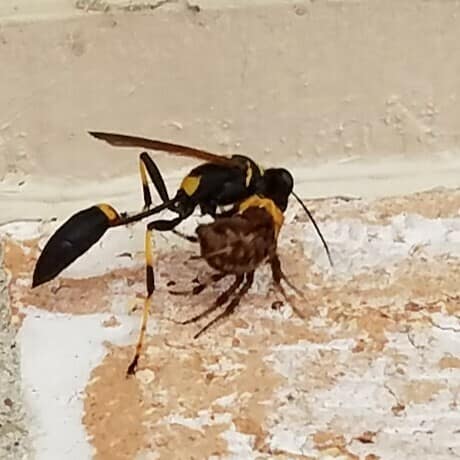
Host (c) dhasdf, some rights reserved (CC BY) · cc-by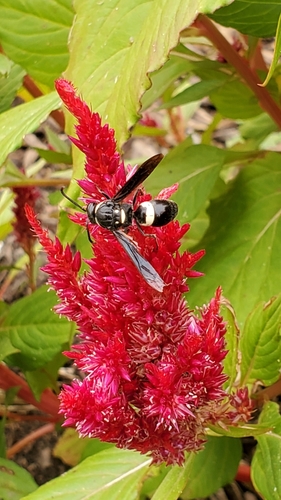
Host (c) Lexi Destria, some rights reserved (CC BY) · cc-by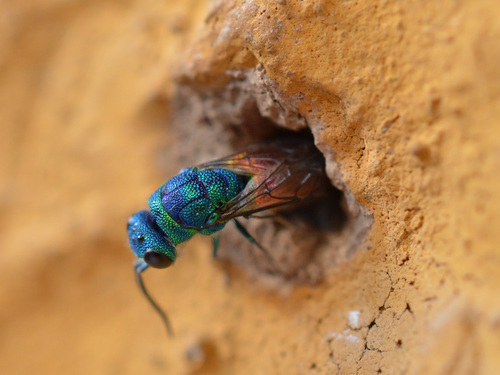
Close Relative (c) Dimitǎr Boevski, some rights reserved (CC BY) · cc-by
Help improve the field guideSomething wrong?
Checking your Fauna account…Report a name, category, or profile issue for review.