
Fungus · GBIF taxon 9118025
Luminescent Panellus
Panellus stipticusAlso known as Bitter Oyster, Astringent Panus, Stiptic Fungus
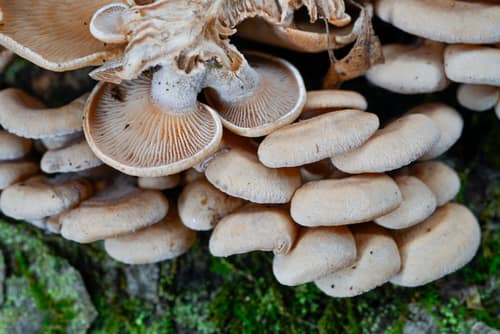
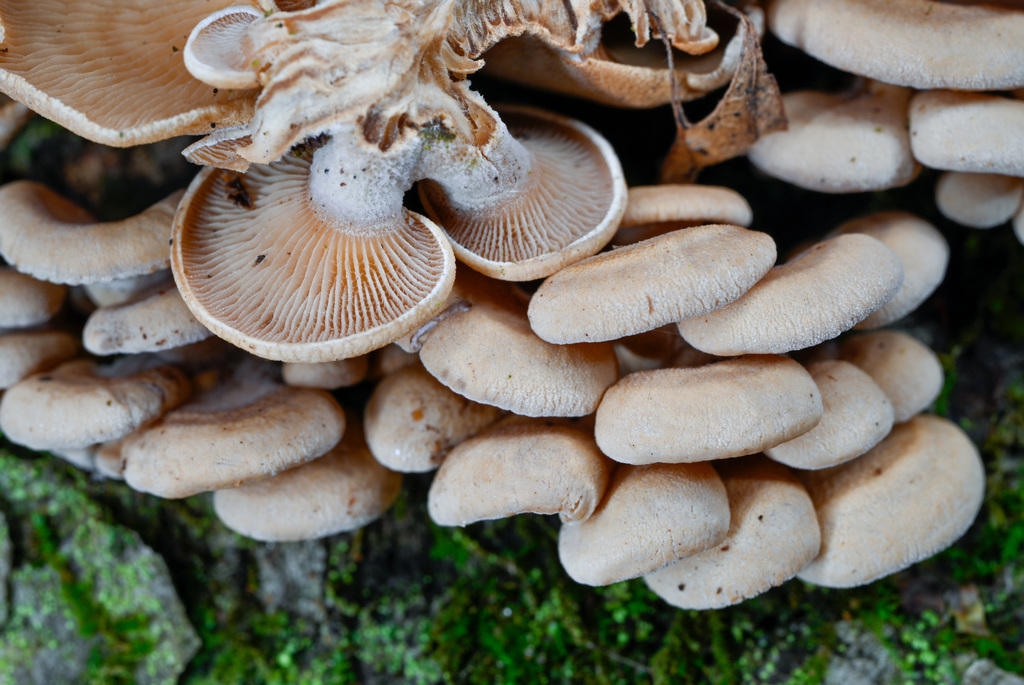
Luminescent Panellus grows in dense, overlapping clusters on decaying hardwood logs, decomposing dead wood via white rot. North American eastern strains exhibit remarkable bioluminescence, emitting an eerie greenish glow from their gills and mycelium powered by a luciferin-luciferase reaction. The small, kidney-shaped caps possess a tough, leathery texture that allows fruit bodies to dry out during dry spells and revive when rains return.
BioluminescentWood-DecayingSaprobic
 1 / 7
1 / 7—observations
—countries
—peak records
Not EvaluatedConservation statusIUCN Red List categoriesLCNTVUENCREWEXNot Evaluated — not placed on the risk ladderRed List categories, explained →
Diet & prey
- Saprobic (decomposes lignin and cellulose in dead hardwood)
Predators
- Fungus Gnat Larvae
- Slugs
- Springtails
ThreatsDeforestation and intensive forestry that removes deadwood habitat
HabitatsDeciduous and mixed temperate woodlands on rotting logs and stumps
Life spanPerennial mycelium; individual fruiting bodies endure several weeks to months
Size / weightNot available
Classification
- OrderAgaricales
- FamilyMycenaceae
- GenusPanellus
- SpeciesPanellus stipticus
Range data is not available yet.
Interaction riskHigh
- Low
- Moderate
- High
- Very high
- Why interaction risk is high
- Causes gastrointestinal distress if consumed; many wild fungi have toxic look-alikes, so never consume wild mushrooms.
- Why it is dangerous
- Contains bitter, astringent compounds and emetic agents that trigger nausea, vomiting, and intestinal cramps upon ingestion.
- How to recognize a risky encounter
- Look for small, ochre to tan fan-shaped caps with distinct cross-veins between the gills on rotting hardwood.
- What to do
- Harmless to touch and examine in the field, but never ingest any part of the fruiting body.
Responsible observation
- Night Viewing: Allow your eyes at least ten minutes to adjust to complete darkness to spot the faint green glow.
- Log Etiquette: Avoid overturning or disturbing rotting logs, which dry out delicate fungal networks.
- Identification Clue: Look for small, tough, kidney-shaped caps with short, off-center stems attached to hardwood.
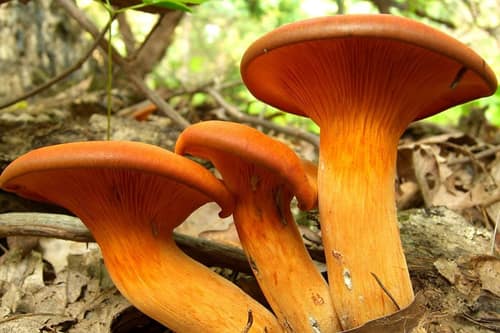
Look-alike (c) Jason Hollinger, some rights reserved (CC BY) · cc-by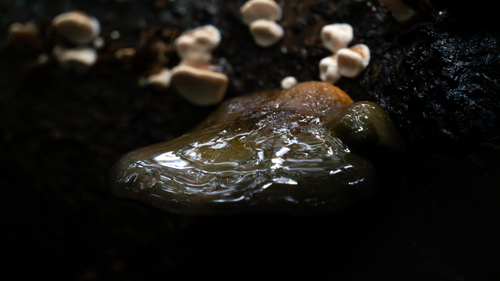
Neighbor no rights reserved · cc0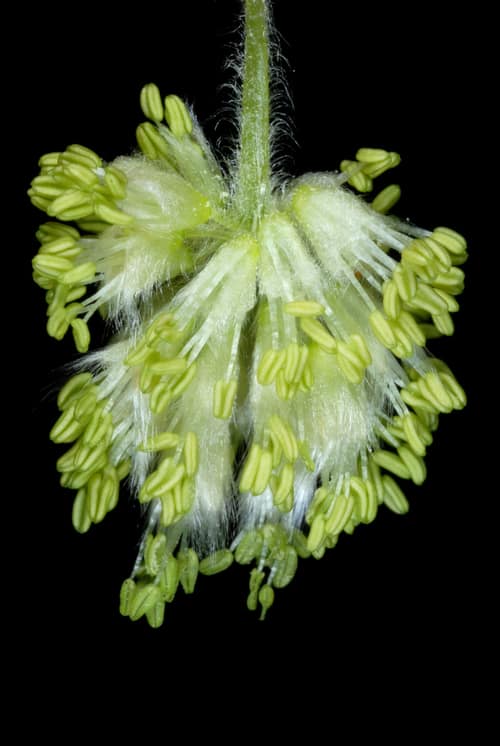
Host Plant (c) Douglas Goldman, some rights reserved (CC BY-SA), uploaded by Douglas Goldman · cc-by-sa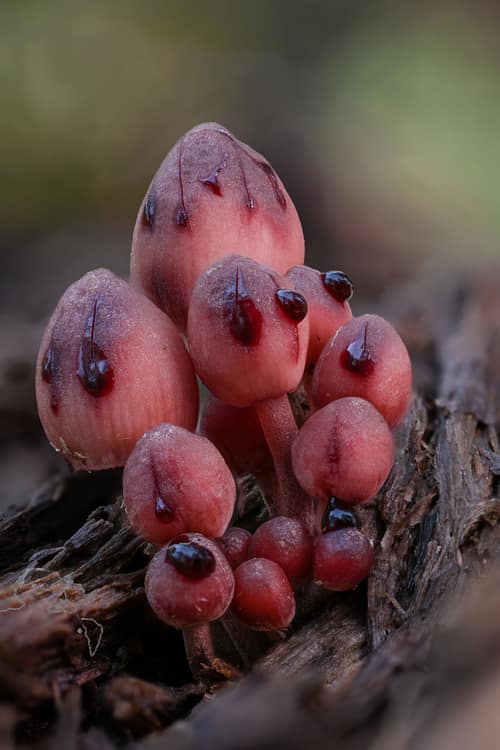
Same Family (c) Alan Rockefeller, some rights reserved (CC BY), uploaded by Alan Rockefeller · cc-by
Help improve the field guideSomething wrong?
Checking your Fauna account…Report a name, category, or profile issue for review.