
Insect
Northern Harvester Termite
Hodotermes mossambicusAlso known as Mozambique Harvester Termite
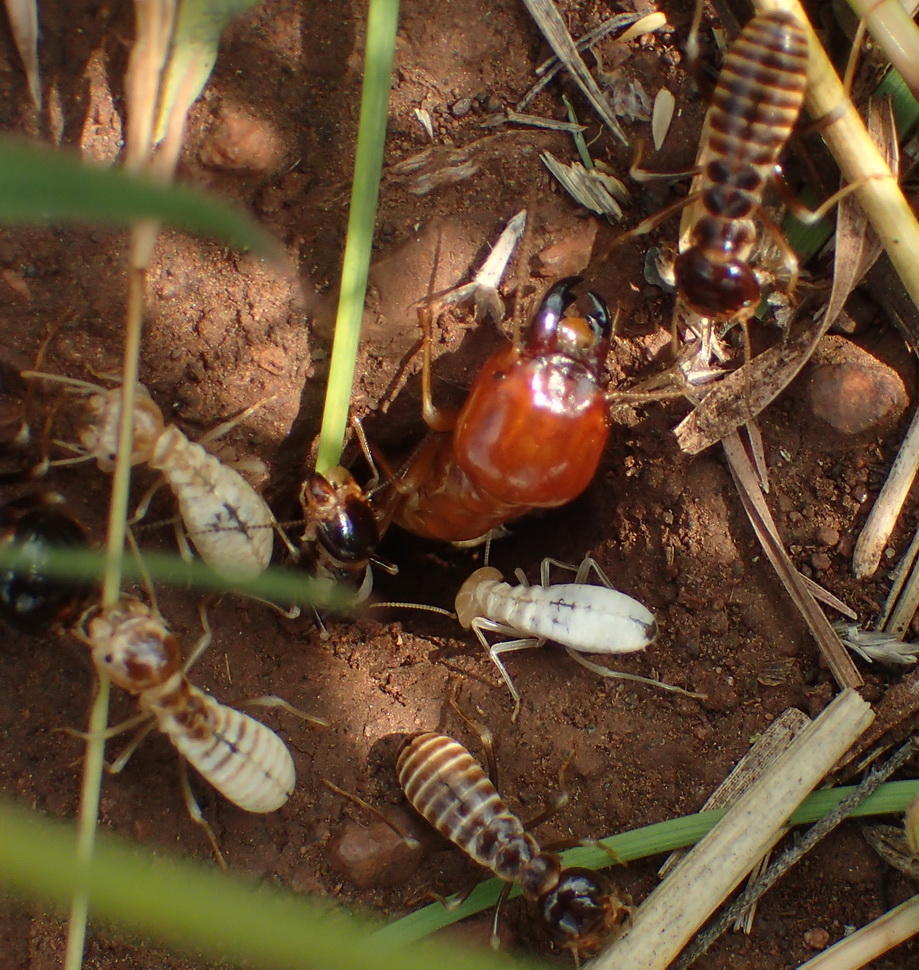
Unlike most subterranean termites, Northern harvester termites possess pigmented compound eyes that allow workers to forage openly on bare ground during broad daylight. Worker columns sever dry grasses and drag the fragments into subterranean storage chambers, where complex gallery networks regulate moisture and temperature across arid landscapes. Their constant soil turnover aerates hardened soils and recycles plant matter, though intense foraging during droughts can strip rangelands of vital vegetation.
SocialGrasslandDecomposer

—observations
—countries
—peak records
Not EvaluatedConservation statusIUCN Red List categoriesLCNTVUENCREWEXNot Evaluated — not placed on the risk ladderRed List categories, explained →
Diet & preyDry grass, Fallen leaves, Herbaceous debris
Predators
- Aardwolf
- Bat-eared Fox
- Aardvark
ThreatsAgricultural pesticides and habitat transformation
HabitatsArid savannas, grasslands, and semi-desert shrublands
Life spanWorkers 1–2 years; queens up to 15–25 years
Classification
- FamilyHodotermitidae
- SpeciesHodotermes mossambicus
Range data is not available yet.
Interaction riskLow
- Low
- Moderate
- High
- Very high
- Why interaction risk is low
- Harmless to humans; safe to observe closely as they forage.
Responsible observation
- Observation Timing: Scan patches of bare soil on warm winter afternoons when workers forage in broad daylight.
- Nest Recognition: Look for small, scattered soil dumps around foraging holes rather than large above-ground mounds.
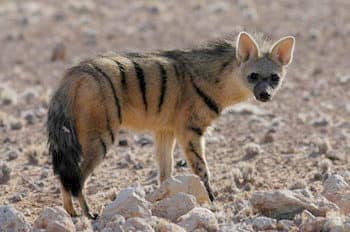
Predator no rights reserved, uploaded by Dave Brown · cc0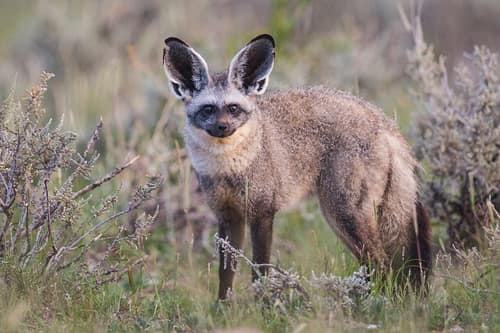
Predator Yathin S Krishnappa / CC BY-SA 3.0 · cc-by-sa Image unavailable
Close Relative
Help improve the field guideSomething wrong?
Checking your Fauna account…Report a name, category, or profile issue for review.