
Fungus · GBIF taxon 9075265
King Oyster Mushroom
Pleurotus eryngiiAlso known as King Trumpet Mushroom, French Horn Mushroom, Trumpet Royale, Steppe Fan
King trumpet mushrooms grow as weak parasites or saprotrophs on the roots of herbaceous plants in the carrot family, particularly sea hollies. Unlike many other oyster species, they produce a thick, solid stem topped with a relatively small, pale brown cap that remains firm throughout maturity. Found in open pastures, grasslands, and coastal dunes across southern Europe, North Africa, and Central Asia, they play an active role in recycling organic matter in arid soils.
SaprotrophicMediterraneanFungus
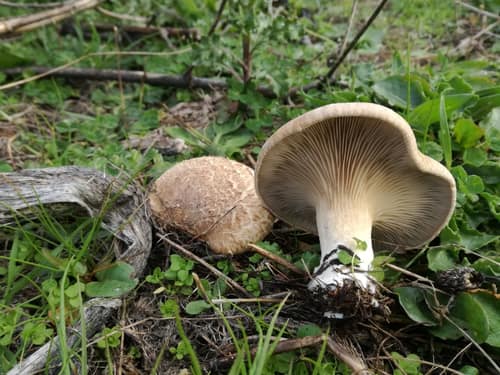
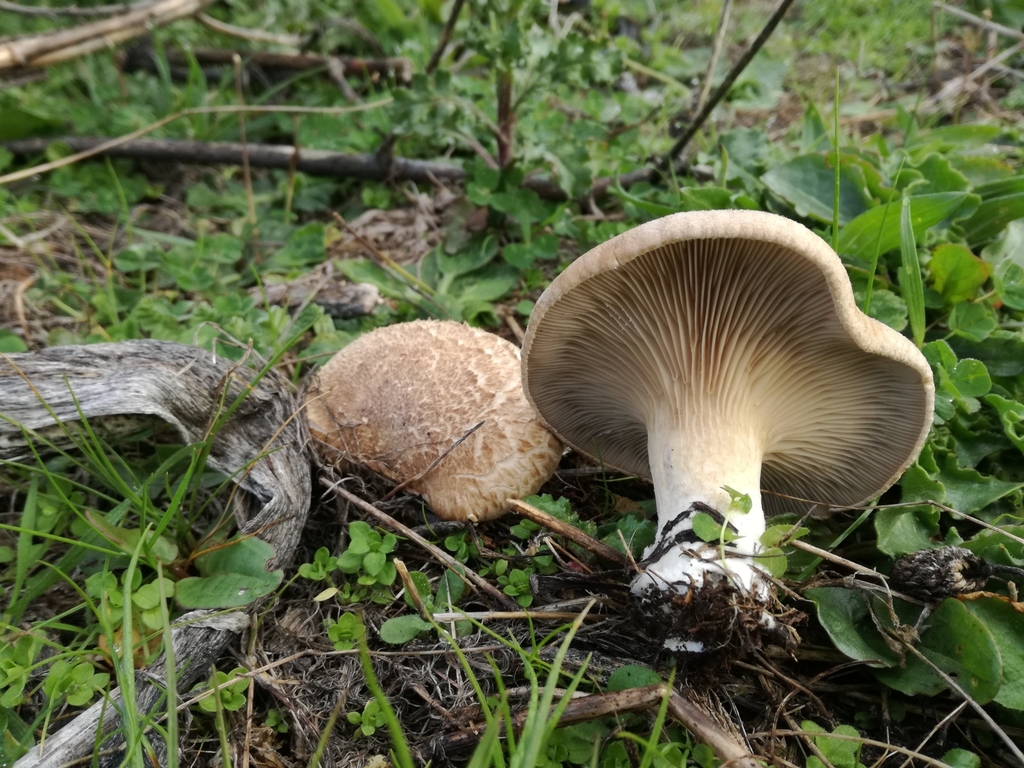 1 / 7
1 / 7—observations
—countries
—peak records
Least ConcernConservation statusIUCN Red List categoriesLCNTVUENCREWEXLeast ConcernRed List categories, explained →
Diet & prey
- Decaying plant roots
- Soil organic matter
Predators
- Fungus Gnats
- Slugs
- Rodents
ThreatsHabitat degradation, agricultural intensification, overcollecting
HabitatsGrasslands, pastures, scrublands, coastal dunes
Life spanFruit bodies last 1–3 weeks; mycelium lives multi-year
Size / weightNot available
Classification
- FamilyPleurotaceae
- SpeciesPleurotus eryngii
Range data is not available yet.
Interaction riskLow
- Low
- Moderate
- High
- Very high
- Why interaction risk is low
- Many wild mushrooms have toxic look-alikes; never eat wild fungi based on app identification alone.
Responsible observation
- Substrate check: Look around the base of sea holly and other carrot family plants in sunny pastures.
- Spore printing: Take a spore print on dark paper to reveal white to pale cream spores.
- Respect habitat: Avoid disturbing the subterranean root systems of host plants when observing.
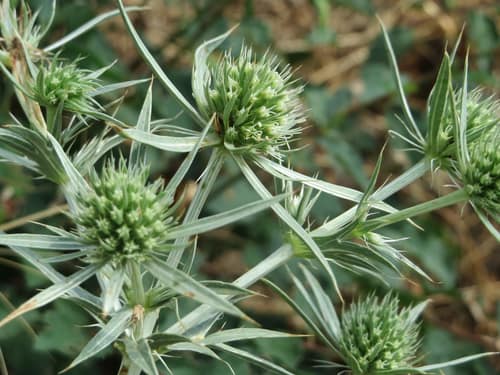
Host Plant (c) Andreas Rockstein, some rights reserved (CC BY-SA) · cc-by-sa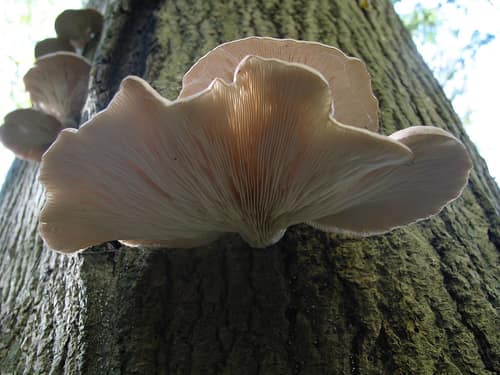
Close Relative voir ci-dessous / see below / CC BY 3.0 · cc-by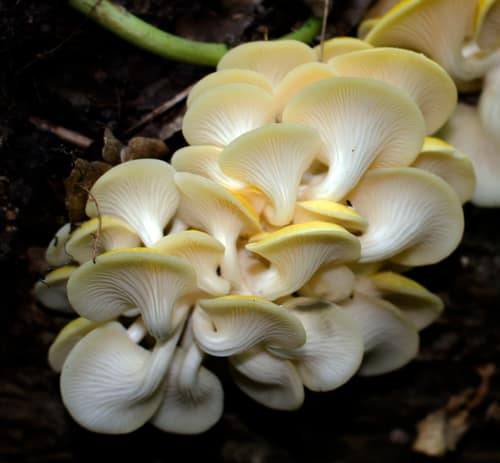
Close Relative (c) aarongunnar, some rights reserved (CC BY), uploaded by aarongunnar · cc-by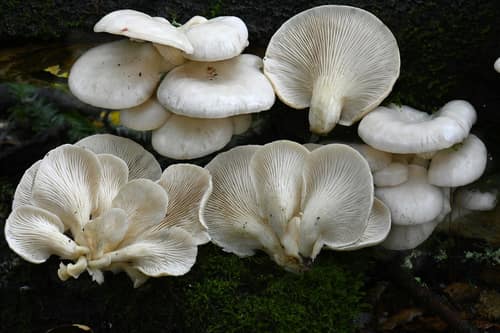
Close Relative (c) Alan Rockefeller, some rights reserved (CC BY), uploaded by Alan Rockefeller · cc-by
Help improve the field guideSomething wrong?
Checking your Fauna account…Report a name, category, or profile issue for review.