
Plant · GBIF taxon 9060377
Thinleaf Huckleberry
Vaccinium membranaceumAlso known as Tall Huckleberry, Big Huckleberry, Mountain Huckleberry, Square-Twig Blueberry
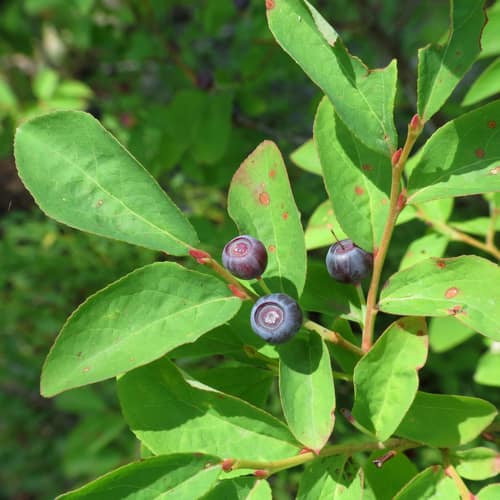
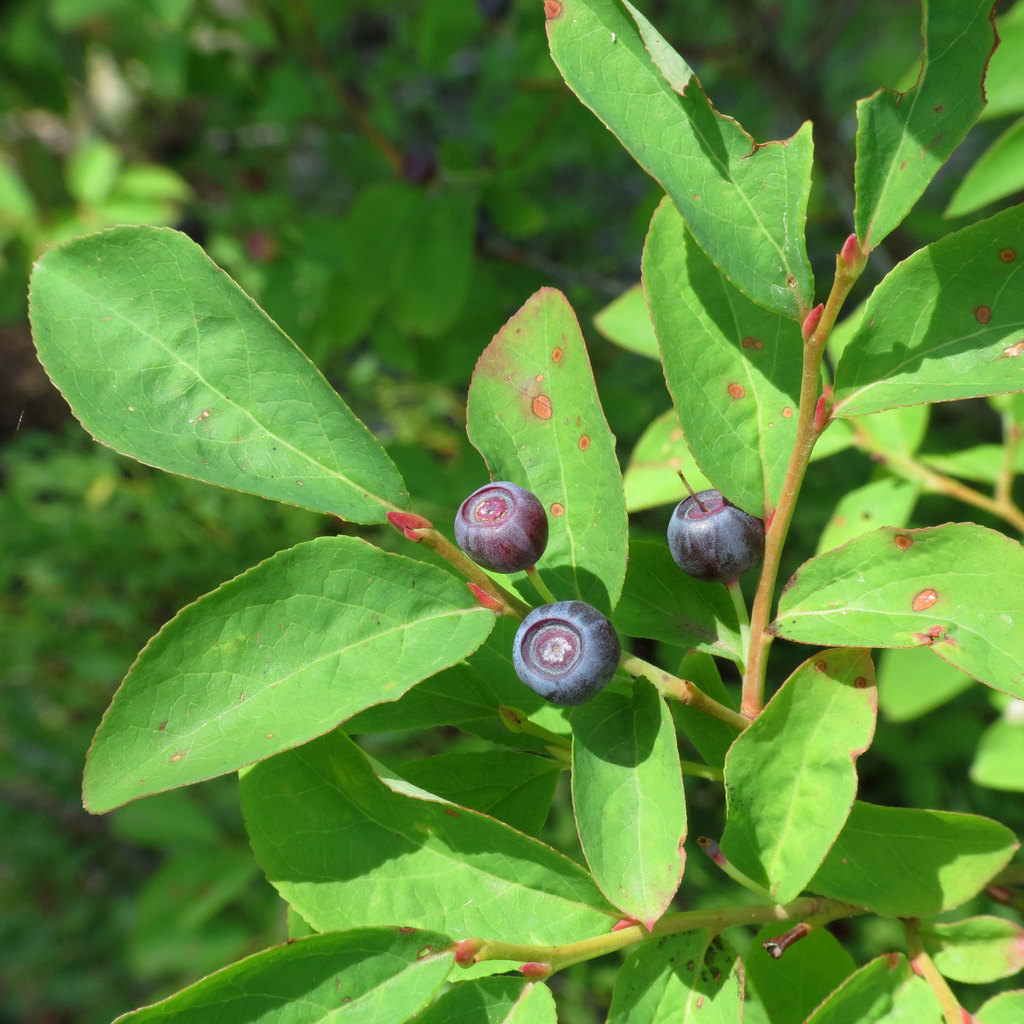
Thinleaf huckleberry dominates understories in subalpine forests and burned slopes across mountain ranges of western North America. Single, nodding urn-shaped flowers bloom in spring, producing dark purple fruit that ripens by late summer and serves as a vital nutrition source for foraging bears. These cold-hardy shrubs often spread through underground rhizomes, persisting for decades under mature conifer canopy.
MontaneDeciduousBerry-Bearing
—observations
—countries
—peak records
Not EvaluatedConservation statusIUCN Red List categoriesLCNTVUENCREWEXNot Evaluated — not placed on the risk ladderRed List categories, explained →
Diet & prey
- Autotrophic (Photosynthetic)
Predators
- Grizzly Bear
- American Black Bear
- Mule Deer
ThreatsFire suppression, habitat fragmentation, and climate change
HabitatsSubalpine coniferous forests, mountain slopes, clearings, and burned areas
Life span50–100+ years
Classification
- OrderEricales
- FamilyEricaceae
- GenusVaccinium
- SpeciesVaccinium membranaceum
Range data is not available yet.
Interaction riskLow
- Low
- Moderate
- High
- Very high
- Why interaction risk is low
- Wild berries have toxic look-alikes; never eat based on app identification alone.
Responsible observation
- Spotting In The Wild: Look along subalpine trail edges and mountain clearings where sunlight breaks through conifer canopy.
- Identifying Features: Check for yellow-green serrated leaves and distinctly angled or square yellowish twigs.
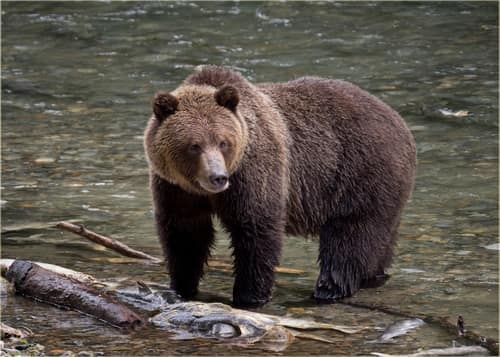
Seed Disperser (c) marneejill, some rights reserved (CC BY-SA) · cc-by-sa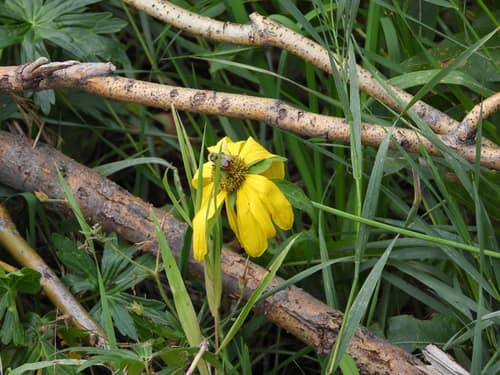
Pollinator (c) Jared Shorma, some rights reserved (CC BY) · cc-by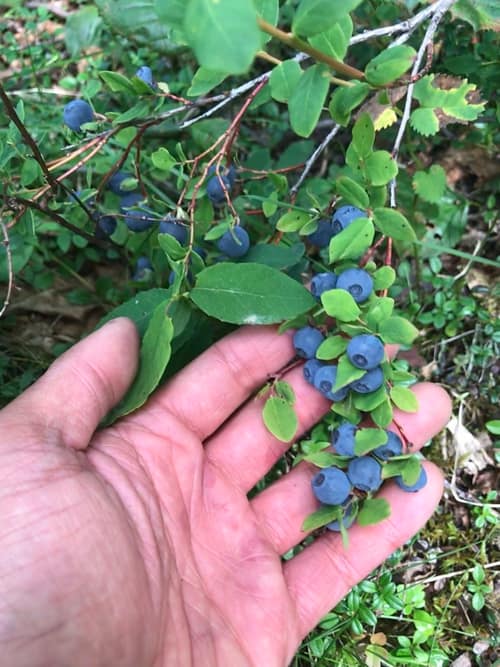
Close Relative no rights reserved · cc0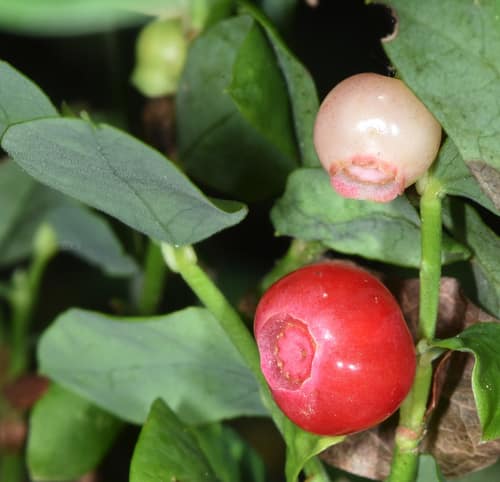
Close Relative (c) Don Loarie, some rights reserved (CC BY), uploaded by Don Loarie · cc-by
Help improve the field guideSomething wrong?
Checking your Fauna account…Report a name, category, or profile issue for review.