
Mammal · GBIF taxon 6163845
Grizzly Bear
Ursus arctos horribilisAlso known as North American Brown Bear, Grizzly, Silvertip Bear
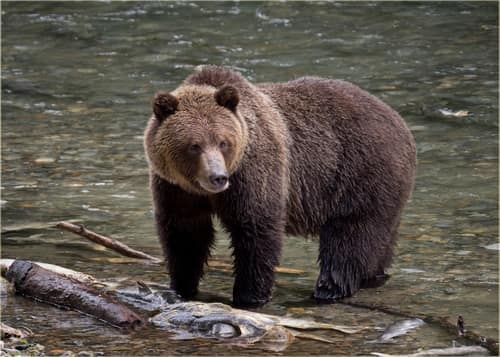
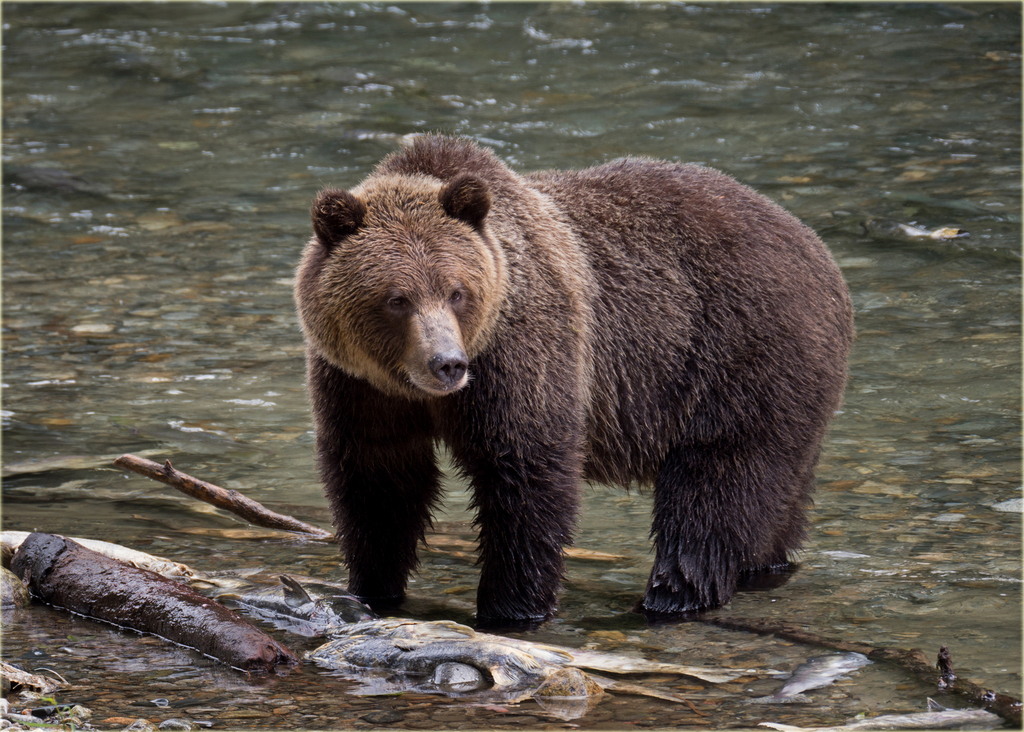
Grizzly bears are distinguished by a pronounced muscular shoulder hump, a dished facial profile, and exceptionally long front claws designed for excavating roots and ground-nesting prey. These solitary omnivores spend warm months gorging on alpine vegetation, berries, and spawning salmon to build vital fat reserves for winter hibernation. Mothers raise their cubs for up to three years, defending them fiercely while teaching complex foraging traditions passed down through generations.
MammalOmnivoreApex Predator
—observations
—countries
—peak records
Least ConcernConservation statusIUCN Red List categoriesLCNTVUENCREWEXLeast ConcernRed List categories, explained →
Diet & prey
- Pacific Salmon
- Elk Calves
- Roots and Berries
ThreatsHabitat fragmentation, human conflict, road mortality, climate change
HabitatsSubalpine forests, alpine meadows, arctic tundra, river valleys
Life span20–25 years in the wild
Classification
- FamilyUrsidae
- SpeciesUrsus arctos horribilis
Range data is not available yet.
Interaction riskHigh
- Low
- Moderate
- High
- Very high
- Why interaction risk is high
- Dangerous large wildlife; keep at least 100 meters away and carry bear spray.
- Why it is dangerous
- Immense strength and aggressive defense of cubs or food sources can cause severe or fatal injuries.
- How to recognize a risky encounter
- Recognized by a distinct muscular shoulder hump, dish-shaped face, and long pale claws.
- What to do
- Never run; face the animal, speak in calm tones, back away slowly, and prepare bear spray.
- What to notice
- Identified by brownish fur with silver-tipped guard hairs, broad head, and high shoulder hump.
- Support conservation
- Pack out all trash, use bear-proof food canisters, and stay on designated park trails.
Responsible observation
- Maintain Distance: Stay at least 100 meters away and never approach females with cubs.
- Carry Bear Spray: Keep spray easily accessible on your belt or chest strap when hiking.
- Make Noise: Speak loudly or clap in dense brush to prevent accidentally startling a bear.
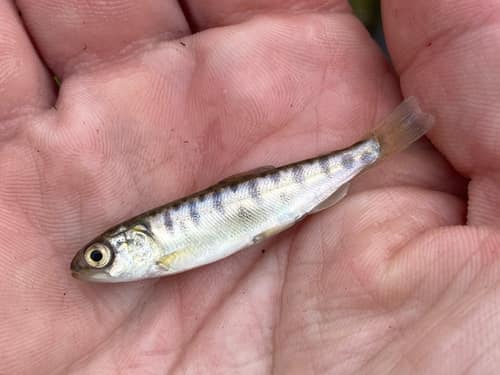
Prey (c) Cole Wolf, some rights reserved (CC BY), uploaded by Cole Wolf · cc-by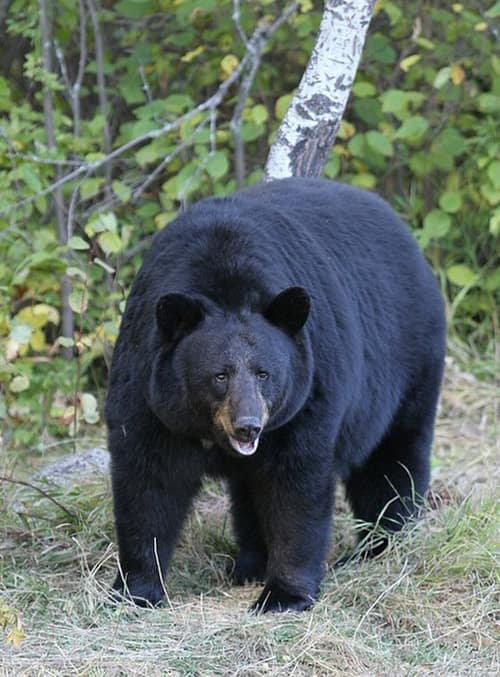
Close Relative Diginatur / CC BY-SA 3.0 · cc-by-sa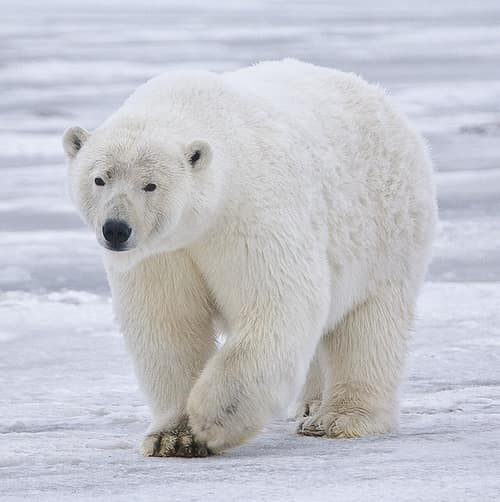
Close Relative Alan Wilson / CC BY-SA 3.0 · cc-by-sa
Help improve the field guideSomething wrong?
Checking your Fauna account…Report a name, category, or profile issue for review.