
Mammal
Dromedary
Camelus dromedariusAlso known as Arabian Camel, One-Humped Camel, Dromedary Camel
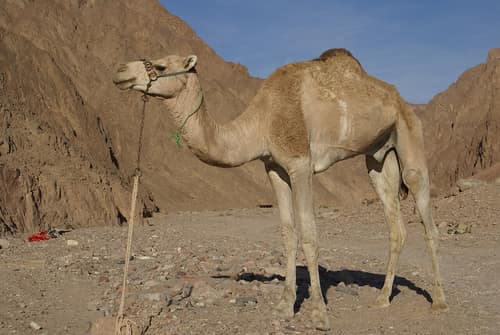
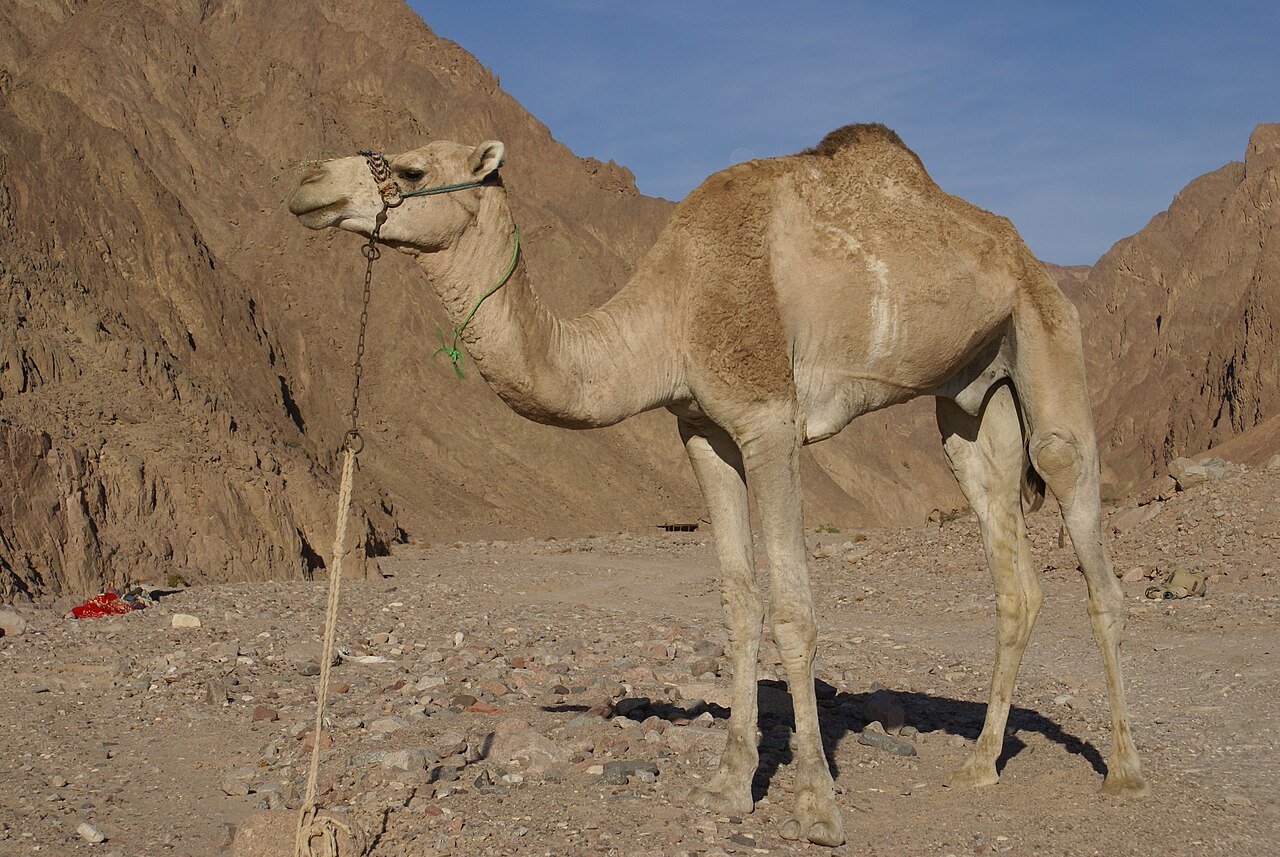
Dromedary camels are exceptionally adapted desert giants that store energy as dense fat within a single prominent hump. Their nostrils can seal tightly against blowing sand, while double rows of long eyelashes and bushy eyebrows protect their eyes during arid storms. Though fully domesticated for millennia, large feral herds thrive across the Australian Outback, where they roam harsh desert landscapes in search of foliage.
MammalDesertHerbivore
—observations
—countries
—peak records
Not EvaluatedConservation statusIUCN Red List categoriesLCNTVUENCREWEXNot Evaluated — not placed on the risk ladderRed List categories, explained →
Diet & preyDesert Shrubs, Acacia Leaves, Saltbush
Predators
- Human
- Dingo (calves)
- Wolf (historically)
ThreatsOvergrazing conflicts, feral population management, habitat loss
HabitatsDeserts, arid scrublands, semi-arid plains
Life span40–50 years
Classification
- OrderArtiodactyla
- FamilyCamelidae
- GenusCamelus
- SpeciesCamelus dromedarius
Range data is not available yet.
Interaction riskHigh
- Low
- Moderate
- High
- Very high
- Why interaction risk is high
- Can kick or deliver a powerful bite when threatened; maintain a respectful distance around unfamiliar animals.
- Why it is dangerous
- Large size combined with powerful legs and sharp incisors can cause severe physical trauma if agitated.
- How to recognize a risky encounter
- Look for a tall, single-humped mammal with long legs, a curved neck, and a brownish coat.
- What to do
- Give wide clearance to feral herds and avoid approaching rutting males or mothers with calves.
Responsible observation
- Maintain safe distance: Avoid standing directly behind or close to working or feral camels to prevent kicks.
- Respect breeding males: Males in rut can become aggressive; give rutting individuals wide berth.
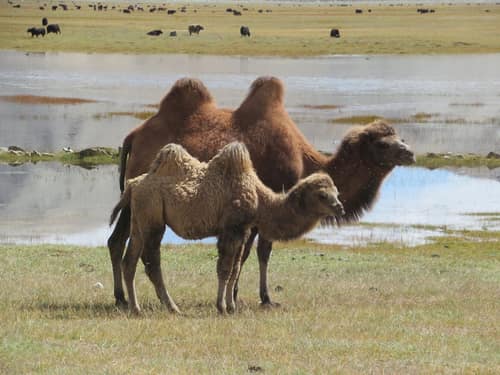
Close Relative "Bactrian Camels" by D-Stanley is licensed under CC BY 2.0. To view a copy of this license, visit https://creativecommons.org/licenses/by/2.0/. · cc-by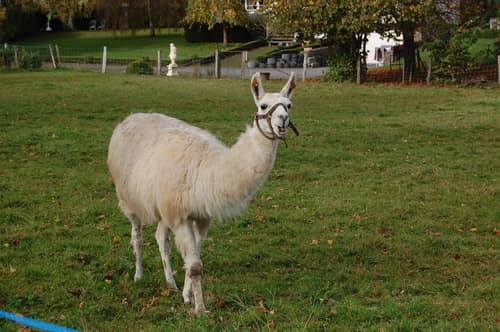
Family Member (c) Lucyin, some rights reserved (CC BY-SA) · cc-by-sa
Keep collecting in Fauna
Found in Collections
Ecosystem chain Pro
Desert Sands
Dromedary is found in this collection. Identify it in Fauna to fill this slot and continue your progress.
Unlock to track progress
Help improve the field guideSomething wrong?
Checking your Fauna account…Report a name, category, or profile issue for review.