
Insect · GBIF taxon 9002107
Karner Blue
Plebejus samuelisAlso known as Karner Blue Butterfly
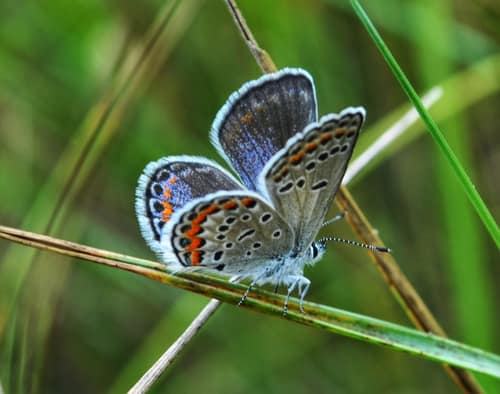
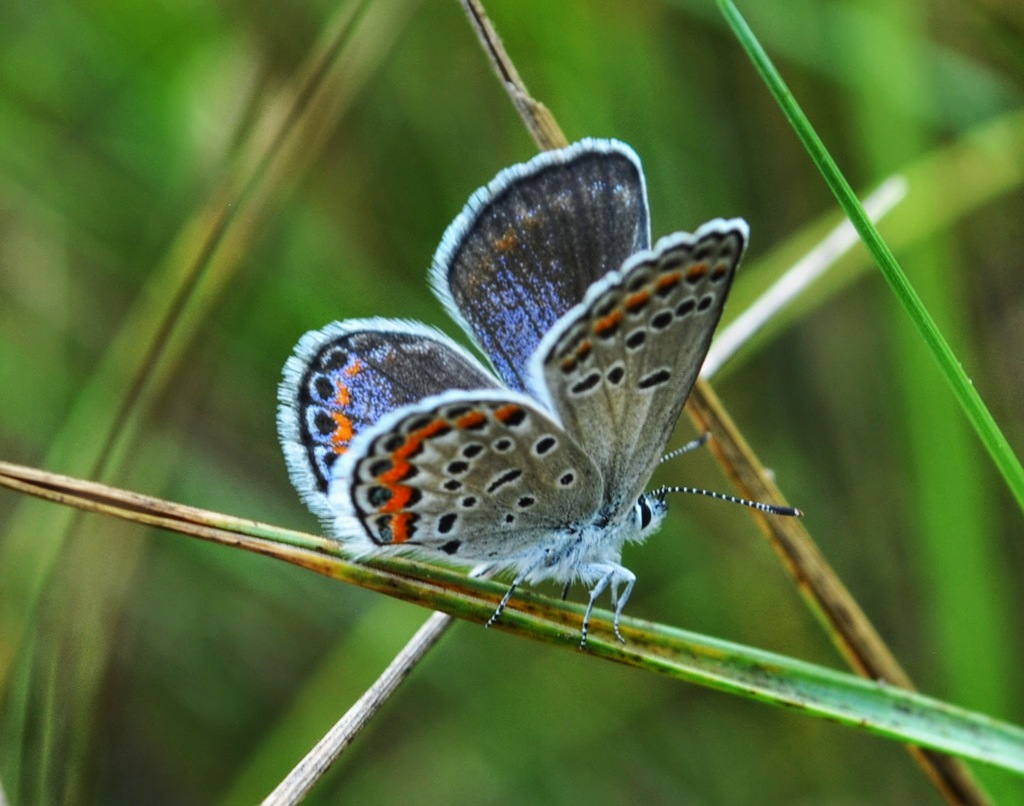
Karner blue butterflies rely entirely on wild lupine plants to complete their lifecycle in sun-drenched pine barrens and oak savannas across the northern United States. Females lay eggs exclusively on lupine foliage, where caterpillars feed while secreting sugary honeydew to attract tending ants that offer protection from predators. Producing two flights each summer, adults flutter low to the ground to sip nectar from a variety of native wildflowers.
PollinatorSymbiont
—observations
—countries
—peak records
EndangeredConservation statusIUCN Red List categoriesLCNTVUENCREWEXEndangeredRed List categories, explained →
Diet & prey
- Wild lupine foliage
- Wildflower nectar
Predators
- Spiders
- Robber flies
- Dragonflies
ThreatsHabitat loss, fire suppression, development, loss of wild lupine
HabitatsPine barrens, oak savannas, sand prairies
Life span3–5 days (adult)
Classification
- FamilyLycaenidae
- SpeciesPlebejus samuelis
Range data is not available yet.
Interaction riskLow
- Low
- Moderate
- High
- Very high
- Why interaction risk is low
- Safe to observe at a normal distance.
- What to notice
- Look for a tiny butterfly with vibrant silvery-blue upper wings on males and orange crescents lining the underwing margins.
- Support conservation
- Observe from designated boardwalks, never collect specimens, and avoid disturbing sandy lupine patches.
Responsible observation
- Spotting Season: Watch for adult flights in late spring and mid-summer around blooming lupine.
- Trail Etiquette: Stick strictly to established paths in pine barrens to prevent trampling fragile eggs.
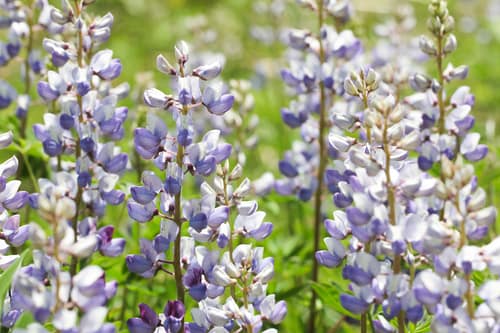
Host Plant (c) cassi saari, some rights reserved (CC BY-SA) · cc-by-sa Image unavailable
Frequent Companion 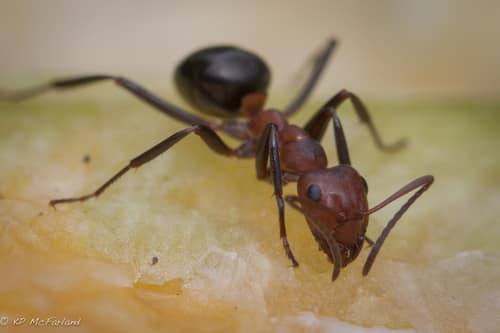
Symbiont no rights reserved, uploaded by Kent McFarland · cc0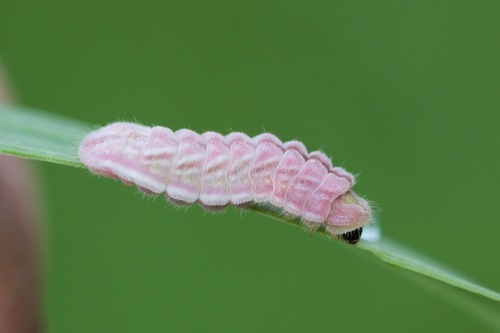
Close Relative (c) Owen Strickland, some rights reserved (CC BY), uploaded by Owen Strickland · cc-by
Help improve the field guideSomething wrong?
Checking your Fauna account…Report a name, category, or profile issue for review.