
Plant · GBIF taxon 2964435
Sundial Lupine
Lupinus perennisAlso known as Wild Lupine
Sundial Lupine is a perennial herb with palmate leaves divided into narrow leaflets and upright clusters of blue to violet pea-shaped flowers. It thrives in sunny, sandy sites and supports specialist insects, including Karner blue butterfly larvae.
WildflowerSandy SoilPollinator Host
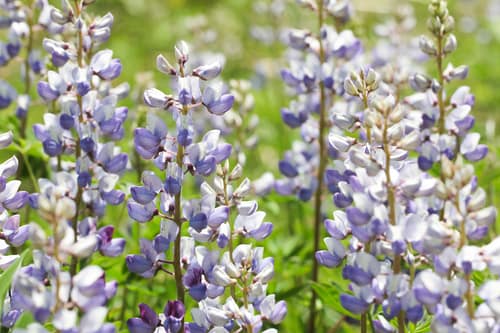
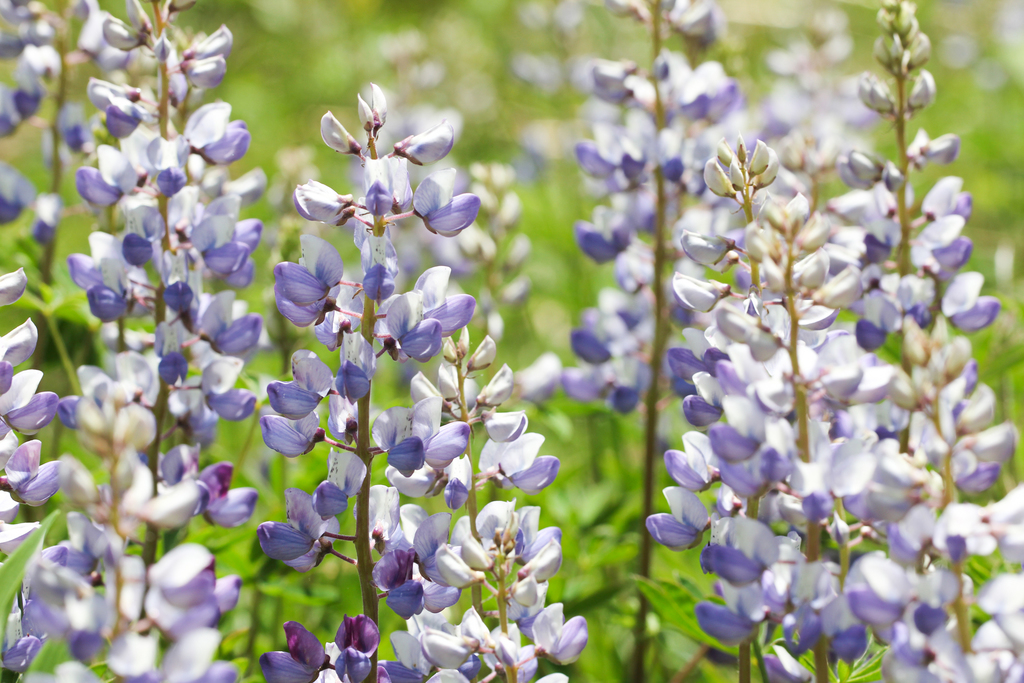
Licensed reference(c) cassi saari, some rights reserved (CC BY-SA) · cc-by-sa
—observations
—countries
—peak records
Not EvaluatedConservation statusIUCN Red List categoriesLCNTVUENCREWEXNot Evaluated — not placed on the risk ladderRed List categories, explained →
Diet & prey
- Photosynthetic; roots partner with bacteria that fix atmospheric nitrogen
Predators
- Leaf beetles
- Caterpillars
- Browsing mammals
ThreatsFire suppression, canopy closure, habitat conversion, and invasive plants
HabitatsDry sandy woods, open oak barrens, dunes, roadsides, and prairie remnants
Life spanA perennial that can return from its root system for many years
Classification
- FamilyFabaceae
- SpeciesLupinus perennis
Range data is not available yet.
Interaction riskHigh
- Low
- Moderate
- High
- Very high
- Why interaction risk is high
- Lupine tissues contain alkaloids and should not be ingested by people or pets.
- Why it is dangerous
- Seeds and foliage can contain quinolizidine alkaloids that cause poisoning when enough material is swallowed.
- How to recognize a risky encounter
- Look for blue pea-shaped flowers above leaves divided into several narrow leaflets radiating from one point.
- What to do
- Do not taste any part, and keep children, pets, and grazing animals from consuming the plant.
Responsible observation
- Observe: View flower spikes without entering fragile sandy vegetation.
- Identify: Count the narrow leaflets radiating from each leaf center.
- Protect: Leave all plants rooted because specialist larvae depend on them.
Help improve the field guideSomething wrong?
Checking your Fauna account…Report a name, category, or profile issue for review.