
Fungus · GBIF taxon 8914748
Parasol Mushroom
Macrolepiota proceraAlso known as Parasol Fungus
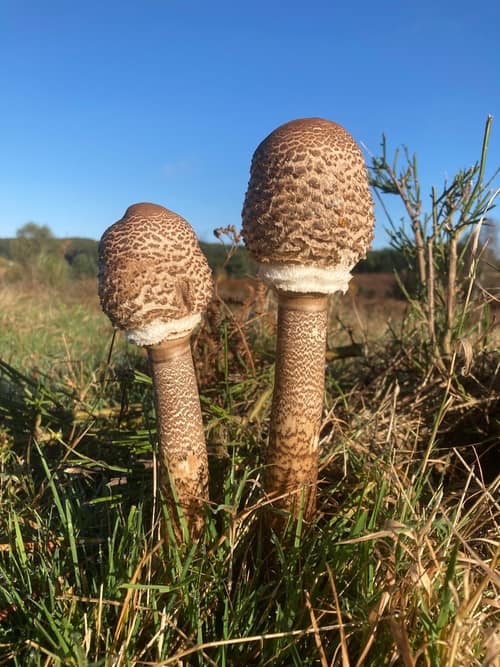
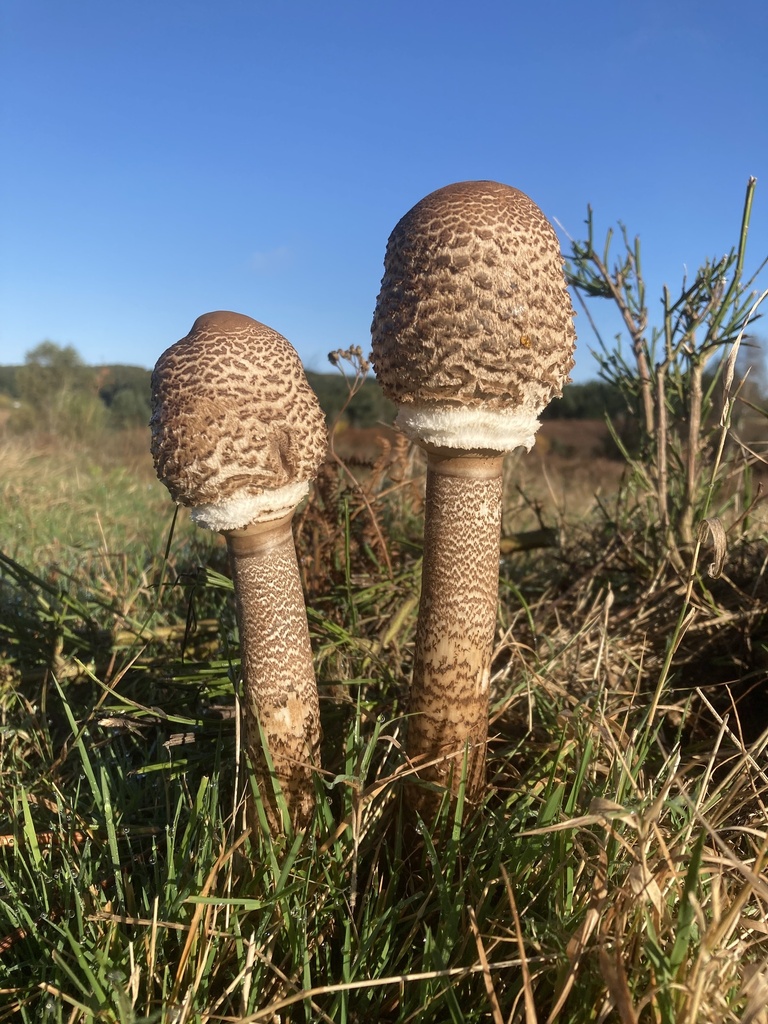
Parasol mushrooms stand prominently above grassy meadows and forest borders on exceptionally tall, slender stems. The broad cap opens like a sunshade, decorated with coarse brown scales over a pale fibrous background. As a saprotrophic fungus, its underground mycelium breaks down organic litter in rich soil, returning vital nutrients to surrounding ecosystems.
FungusSaprophyticWidespread
 1 / 7
1 / 7—observations
—countries
—peak records
Not EvaluatedConservation statusIUCN Red List categoriesLCNTVUENCREWEXNot Evaluated — not placed on the risk ladderRed List categories, explained →
Diet & prey
- Decaying Grass
- Leaf Litter
- Organic Matter
Predators
- Slugs
- Fungus Gnats
- Beetles
ThreatsHabitat loss, agricultural intensification, over-mowing
HabitatsPastures, grassy fields, forest edges, open woodlands
Life spanPerennial mycelium; individual fruiting bodies last 3–7 days
Size / weightNot available
Classification
- OrderAgaricales
- FamilyAgaricaceae
- GenusMacrolepiota
- SpeciesMacrolepiota procera
Range data is not available yet.
Interaction riskLow
- Low
- Moderate
- High
- Very high
- Why interaction risk is low
- Many edible mushrooms have toxic look-alikes; never eat wild fungi based on app identification alone.
Responsible observation
- Check the Stem: Look for the distinct dark zigzag patterning that resembles snakeskin along the stipe.
- Examine the Ring: Observe the double-edged collar around the stem that slides freely up and down when mature.
- Observe Spore Color: Collect a spore print on dark paper to confirm white to pale cream coloration.
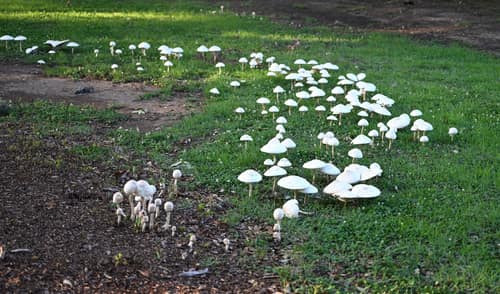
Look-Alike (c) Amber M. King, some rights reserved (CC BY), uploaded by Amber M. King · cc-by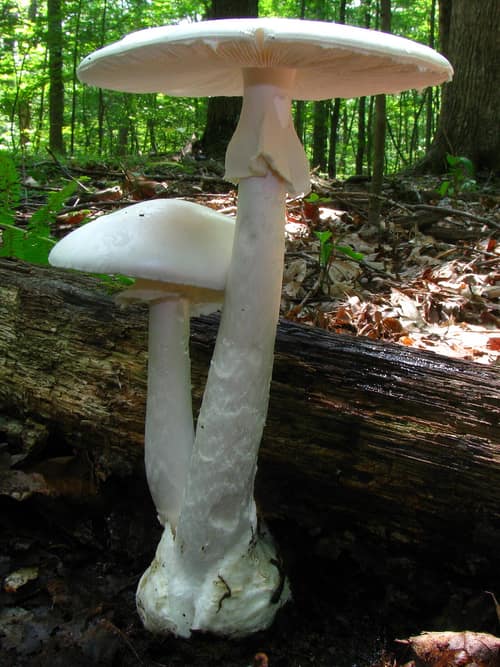
Dangerous Look-Alike Dan Molter (shroomydan) / CC BY-SA 3.0 · cc-by-sa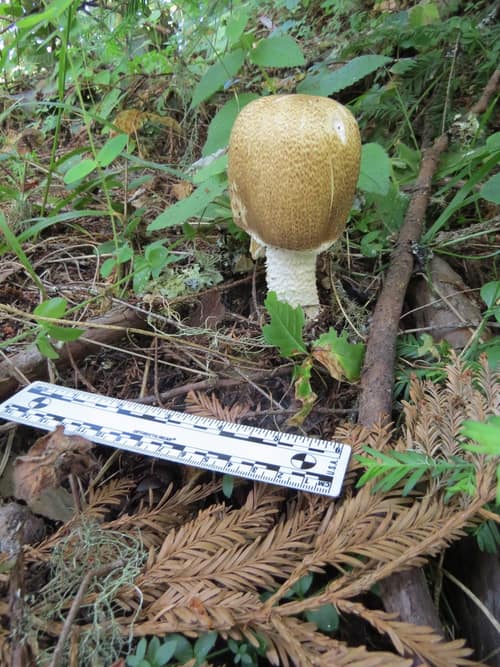
Co-Occurring Fungus (c) Garth Harwood, some rights reserved (CC BY) · cc-by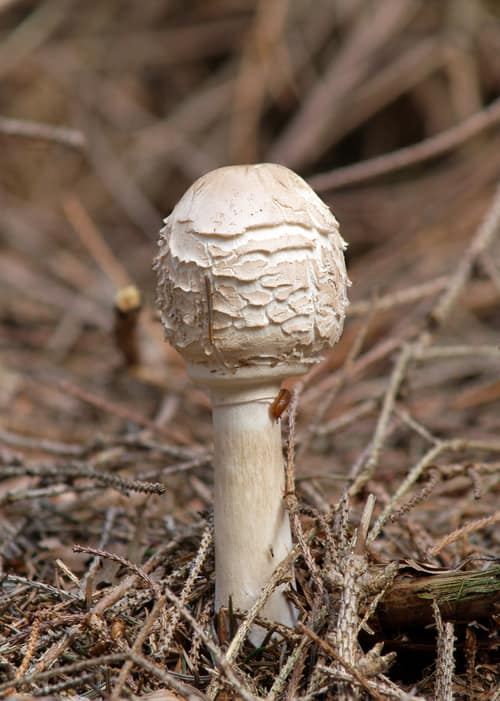
Close Relative (c) Jörg Hempel, some rights reserved (CC BY-SA) · cc-by-sa
Help improve the field guideSomething wrong?
Checking your Fauna account…Report a name, category, or profile issue for review.