
Fungus · GBIF taxon 8733688
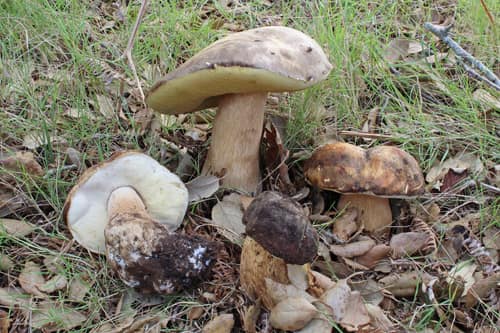
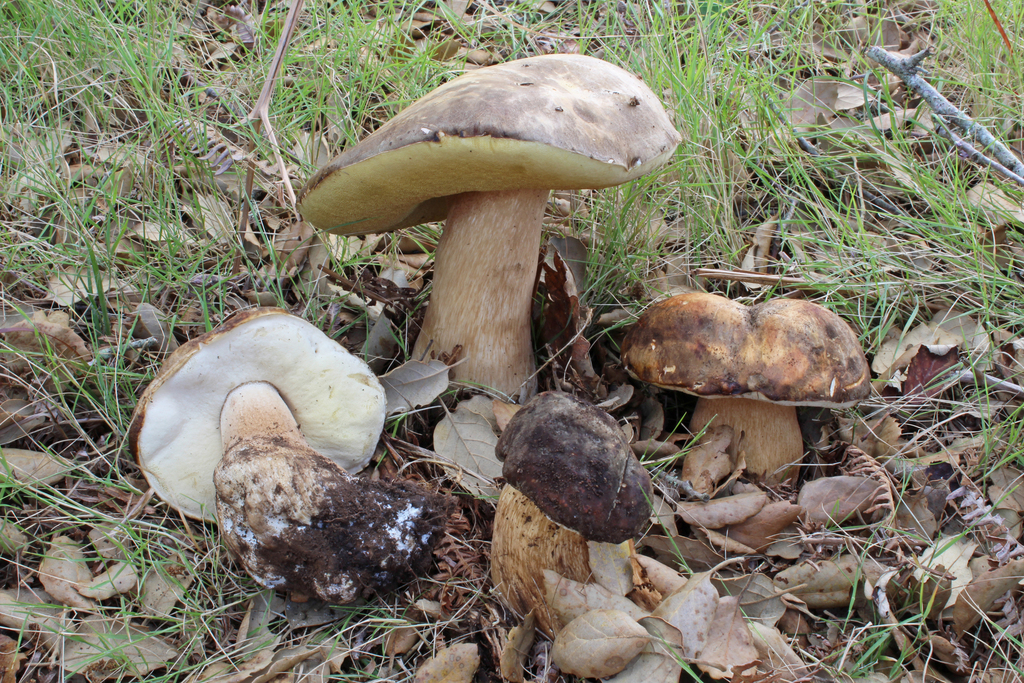
Dark Bronze Bolete
Boletus aereusAlso known as Queen Bolete, Dark Cep, Bronze Bolete
Dark bronze boletes emerge in warm broadleaf woodlands, forming symbiotic mycorrhizal partnerships with mature oaks, chestnuts, and beeches. Recognizable by their deep chestnut to near-black velvety caps, these robust mushrooms feature a sturdy stem decorated with a fine, pale net pattern. They play a vital ecological role in nutrient cycling, exchanging absorbed soil minerals for energy-rich sugars produced by host trees.
FungiForest FloorMycorrhizal
 1 / 7
1 / 7—observations
—countries
—peak records
Least ConcernConservation statusIUCN Red List categoriesLCNTVUENCREWEXLeast ConcernRed List categories, explained →
Diet & prey
- Mycorrhizal
Predators
- Fungus gnat larvae
- Slugs
- Wild boars
ThreatsForest fragmentation, severe drought, soil compaction
HabitatsWarm broadleaf forests, oak and chestnut woodlands
Life spanPerennial underground mycelium; fruiting bodies last 7–14 days
Size / weightNot available
Classification
- OrderBoletales
- FamilyBoletaceae
- GenusBoletus
- SpeciesBoletus aereus
Range data is not available yet.
Interaction riskLow
- Low
- Moderate
- High
- Very high
- Why interaction risk is low
- Many wild mushrooms have toxic look-alikes; never eat wild fungi based on app identification alone.
Responsible observation
- Habitat scanning: Search around mature oaks and sweet chestnuts during warm summer and early autumn spells.
- Pore inspection: Examine the undersurface, which shifts from cream-white to yellow-olive as spores mature.
- Mycelium care: Avoid digging into the soil around the base to protect the living underground network.
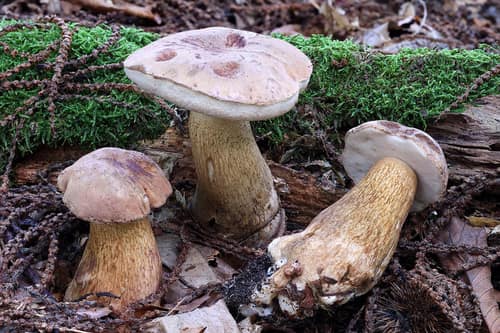
Look-Alike (c) Daniel Ghyselinck, some rights reserved (CC BY), uploaded by Daniel Ghyselinck · cc-by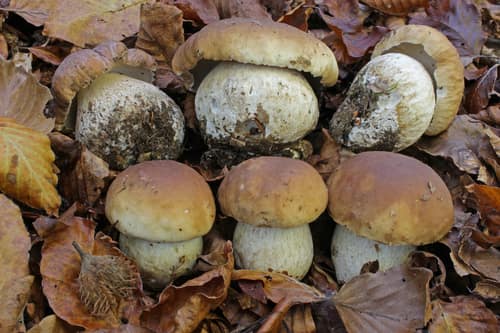
Close Relative (c) Davide Puddu, some rights reserved (CC BY), uploaded by Davide Puddu · cc-by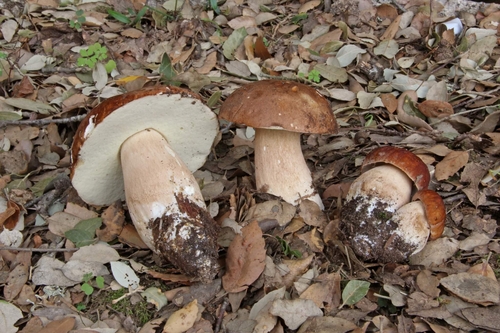
Close Relative (c) Davide Puddu, some rights reserved (CC BY), uploaded by Davide Puddu · cc-by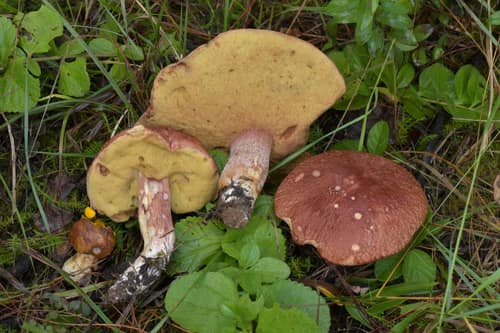
Close Relative (c) Alan Rockefeller, some rights reserved (CC BY), uploaded by Alan Rockefeller · cc-by
Keep collecting in Fauna
Found in Collections
Species set Pro
Fungi Forager
Dark Bronze Bolete is found in this collection. Identify it in Fauna to fill this slot and continue your progress.
Unlock to track progress
Help improve the field guideSomething wrong?
Checking your Fauna account…Report a name, category, or profile issue for review.