
Fungus · GBIF taxon 5954691
Summer Bolete
Boletus reticulatusAlso known as Summer Cep, Oak Bolete
Summer boletes form vital mycorrhizal partnerships with broadleaf trees, particularly oak and beech, exchanging soil nutrients for plant sugars. Appearing as early as late spring, their velvety pale brown caps often develop subtle cracks in dry weather while the pore surface shifts from cream to olive-yellow. A distinct, raised white network covers the upper portion of the sturdy stem.
FungusMycorrhizalForest
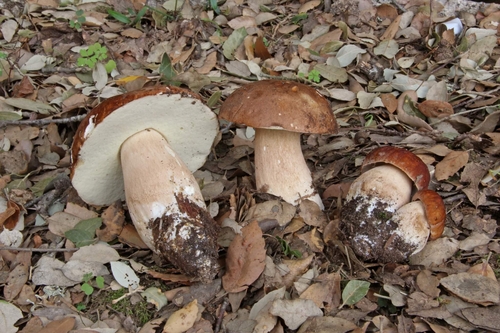
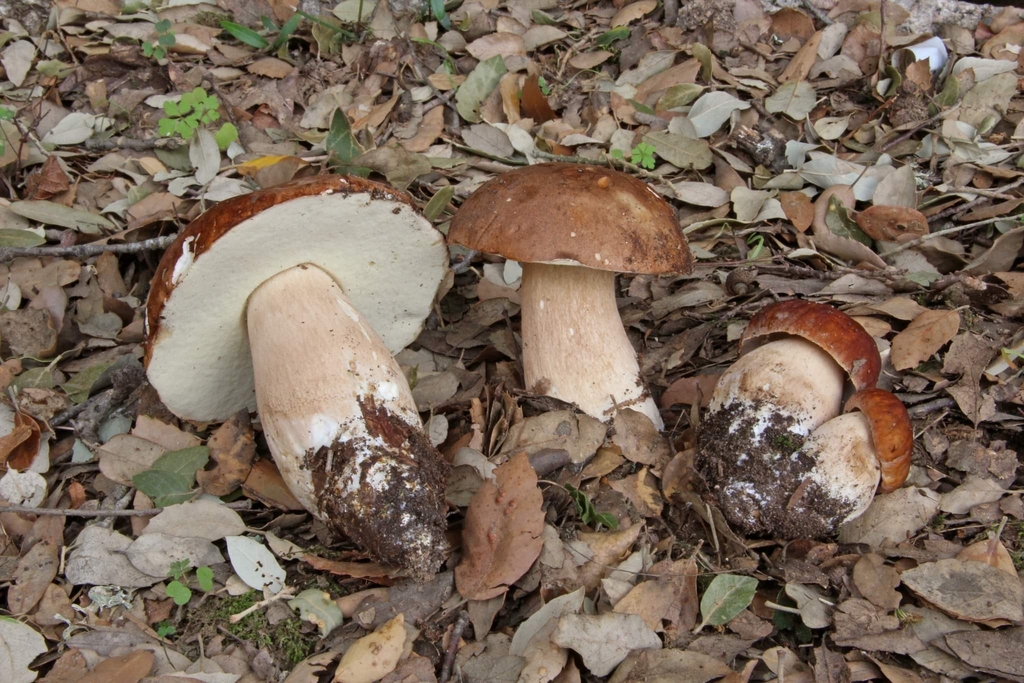 1 / 7
1 / 7—observations
—countries
—peak records
Least ConcernConservation statusIUCN Red List categoriesLCNTVUENCREWEXLeast ConcernRed List categories, explained →
Diet & prey
- Mycorrhizal (symbiotic with broadleaf trees)
Predators
- Fungus Beetle Larvae
- Slugs
- Squirrels
ThreatsHabitat loss, severe drought, soil compaction
HabitatsDeciduous forests, oak and beech woodlands
Life spanFruiting body lasts 1–2 weeks; underground mycelium lives for decades
Size / weightNot available
Classification
- FamilyBoletaceae
- SpeciesBoletus reticulatus
Range data is not available yet.
Interaction riskLow
- Low
- Moderate
- High
- Very high
- Why interaction risk is low
- Many edible mushrooms have toxic look-alikes; never eat wild fungi based on app identification alone.
Responsible observation
- Observing spores: Take a spore print on white paper to reveal the olive-brown deposit.
- Inspecting the stem: Look closely at the upper stipe with a hand lens to view the delicate white mesh pattern.
- Protecting mycelium: Avoid disturbing the leaf litter and root zone surrounding host trees.
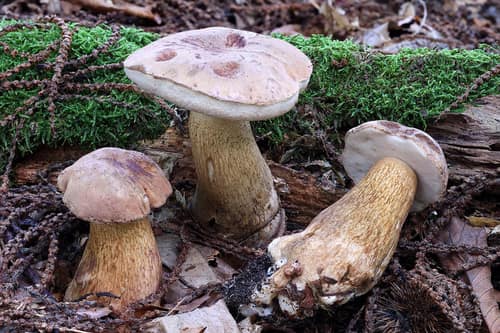
Look-Alike (c) Daniel Ghyselinck, some rights reserved (CC BY), uploaded by Daniel Ghyselinck · cc-by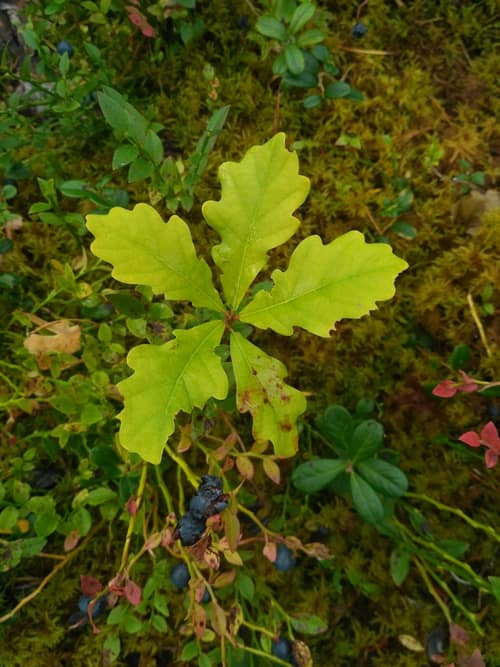
Host Plant (c) Natalya Ivanova, some rights reserved (CC BY) · cc-by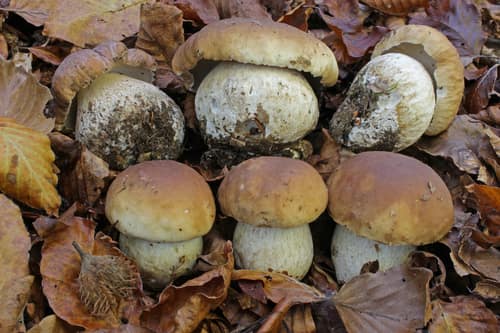
Close Relative (c) Davide Puddu, some rights reserved (CC BY), uploaded by Davide Puddu · cc-by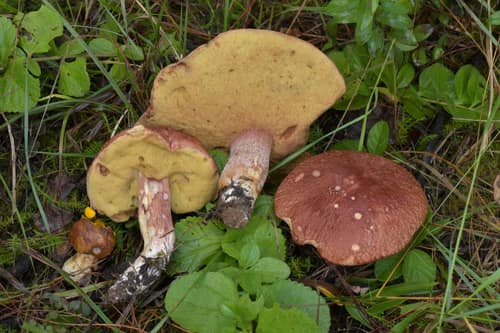
Close Relative (c) Alan Rockefeller, some rights reserved (CC BY), uploaded by Alan Rockefeller · cc-by
Help improve the field guideSomething wrong?
Checking your Fauna account…Report a name, category, or profile issue for review.