
Insect
Lyric Cicada
Neotibicen lyricenAlso known as Lyric Dog-day Cicada, Lyric Harvestfly
Lyric cicadas fill deciduous canopies across eastern North America with a steady, pulsating buzz throughout mid-to-late summer afternoons. Emerging nymphs crawl up tree trunks at dusk to shed their papery brown exoskeletons, revealing large green-and-black bodies marked with distinctive reddish-brown or yellowish collars. Adults spend their brief aerial lives feeding on branch xylem sap and evading specialized aerial hunters like cicada killer wasps.
ArthropodVocalForest
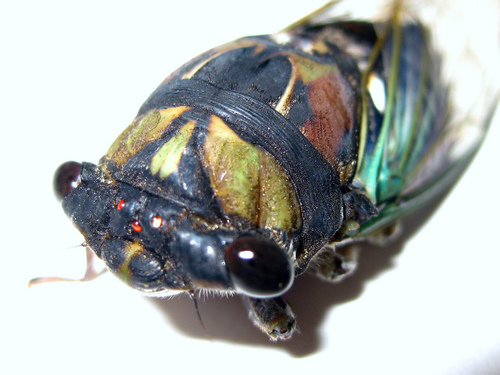
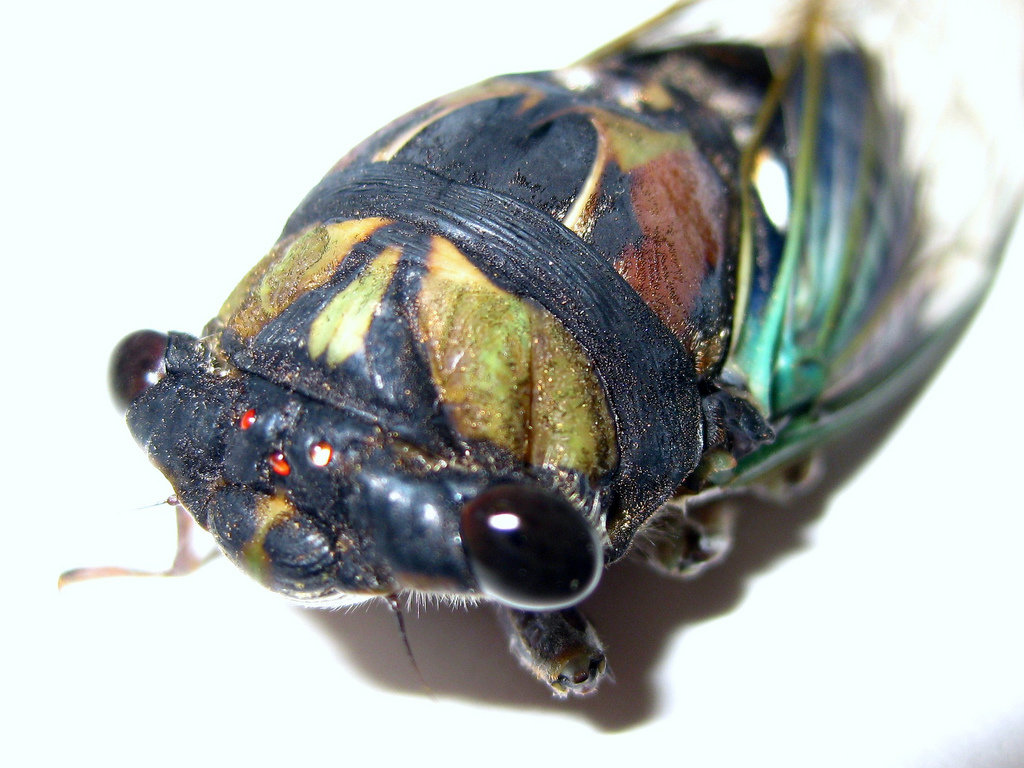
—observations
—countries
—peak records
Not EvaluatedConservation statusIUCN Red List categoriesLCNTVUENCREWEXNot Evaluated — not placed on the risk ladderRed List categories, explained →
Diet & preyHerbivorous (xylem fluid from roots and woody stems)
Predators
- Eastern Cicada Killer Wasp
- Blue Jay
- Eastern Gray Squirrel
ThreatsDeforestation, broad-spectrum pesticide spraying, and heavy soil compaction
HabitatsDeciduous woodlands, mixed forests, and suburban tree canopies
Life span2–3 years (mostly underground; adults live 2–6 weeks)
Classification
- FamilyCicadidae
- SpeciesNeotibicen lyricen
Range data is not available yet.
Interaction riskLow
- Low
- Moderate
- High
- Very high
- Why interaction risk is low
- Harmless to humans; safe to observe at a normal distance.
Responsible observation
- Spotting exuviae: Search the lower 1 to 2 meters of hardwood tree trunks in midsummer for intact shed skins.
- Listening for males: Tune your ears to high, continuous, pulsing buzzes vibrating from deep within the summer canopy.
- Gentle handling: If an adult lands on you or falls to the ground, allow it to walk freely onto a twig or leaf.
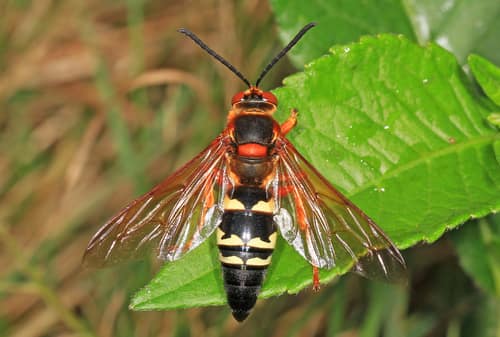
Predator (c) Judy Gallagher, some rights reserved (CC BY-SA), uploaded by Judy Gallagher · cc-by-sa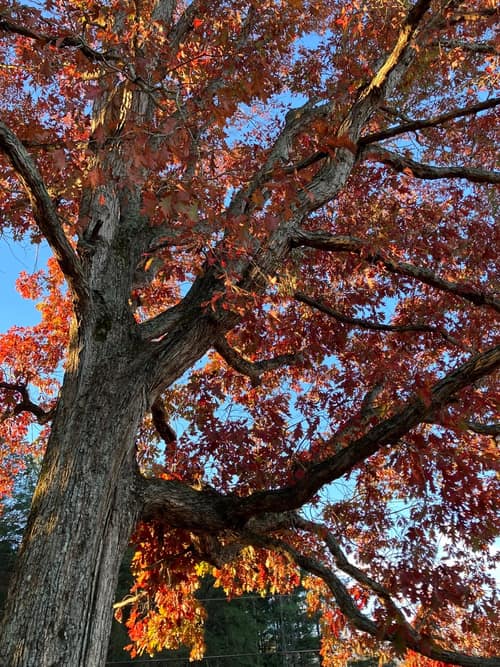
Host Plant (c) Alicia Ballard, some rights reserved (CC BY) · cc-by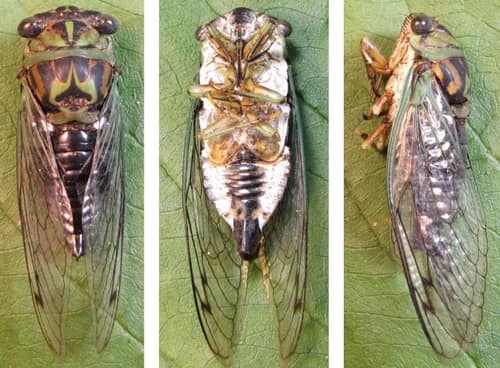
Close Relative no rights reserved, uploaded by Ken Kneidel · cc0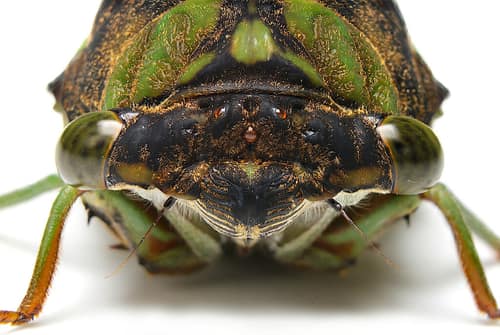
Close Relative (c) Matthew Lindsey, some rights reserved (CC BY) · cc-by
Help improve the field guideSomething wrong?
Checking your Fauna account…Report a name, category, or profile issue for review.