Fauna
Mammal

Mammuthus Creticus

Elephas creticus

Also known as Cretan Dwarf Mammoth, Cretan Mammoth

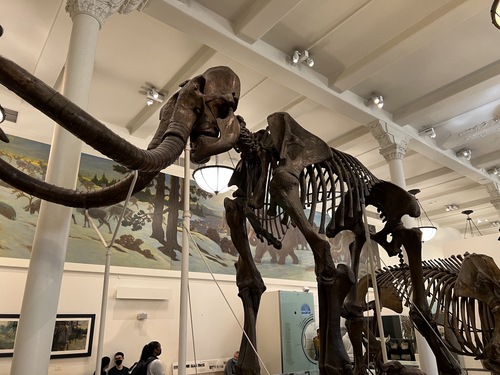
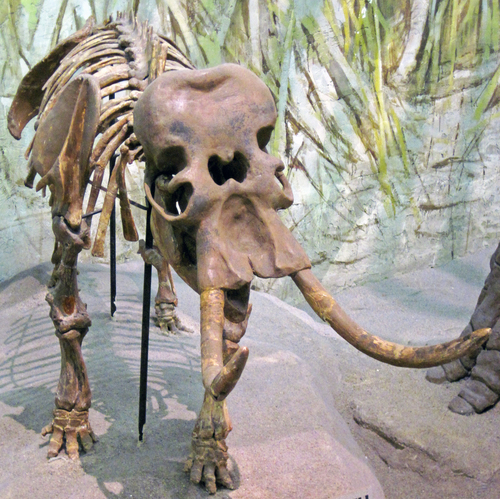
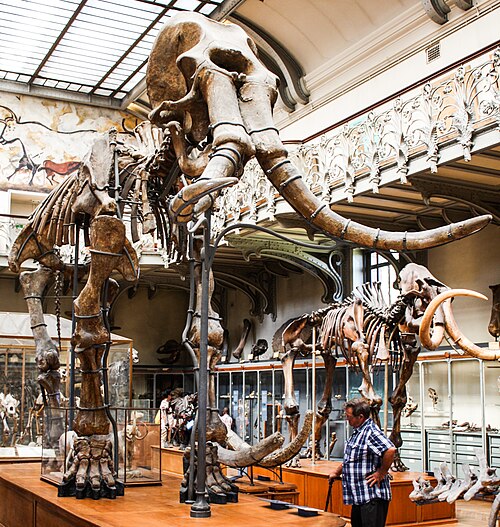
Cretan dwarf mammoths represent a dramatic evolutionary transformation driven by island dwarfism, shrinking down from towering mainland giants to the size of a modern newborn calf. Wandering isolated Mediterranean scrublands during the Pleistocene, these miniature proboscideans navigated rugged limestone terrain in an ecosystem largely free of large mammalian predators. Fragmentary fossil teeth recovered from coastal caves reveal distinctive enamel plates that confirm their close kinship to the earliest European mammoths.

PrehistoricHerbivore
—observations
—countries
—peak records
ExtinctConservation statusIUCN Red List categoriesLCNTVUENCREWEXExtinctRed List categories, explained →
Diet & preyMediterranean shrubs, Woody browse, Grasses
ThreatsClimatic shifts and insular resource limitations
HabitatsMediterranean coastal scrub and limestone hills
Life span30–45 years
  1. FamilyElephantidae
  2. SpeciesElephas creticus
Range data is not available yet.
Interaction riskHigh
  1. Low
  2. Moderate
  3. High
  4. Very high
Why interaction risk is high
Extinct prehistoric species; known only from Pleistocene fossil remains.
Responsible observation
  • Museum viewing: Examine fossilized molars in natural history exhibits to identify mammoth enamel loops.
  • Fossil protection: Leave any cave sediments intact and report suspected paleontological finds to local authorities.
Keep collecting in Fauna

Found in Collections

Species set Pro

Safari Ranger

Mammuthus Creticus is found in this collection. Identify it in Fauna to fill this slot and continue your progress.

Unlock to track progress

Continue in the app
Help improve the field guideSomething wrong?

Report a name, category, or profile issue for review.

Checking your Fauna account…