
Mammal · GBIF taxon 4968840
Columbian Mammoth
Mammuthus columbiAlso known as Imperial Mammoth, Jefferson's Mammoth
Columbian mammoths were towering grazers that shaped the open parklands and grasslands of Pleistocene North America through heavy grazing and seed dispersal. Unlike their cold-adapted woolly relatives, they thrived in temperate to subtropical climates and possessed much sparser body hair alongside sweeping, curved tusks that could reach over four meters. Herds likely maintained a complex matriarchal structure similar to modern elephants, following established seasonal migration routes across major river valleys.
HerbivorePrehistoric
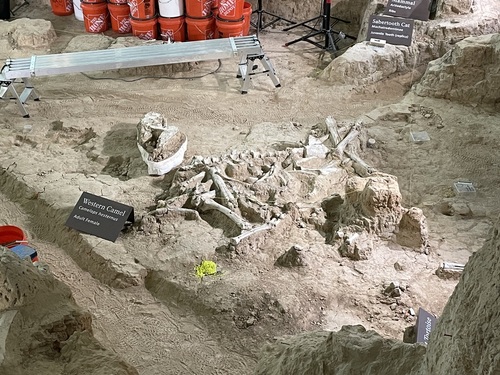
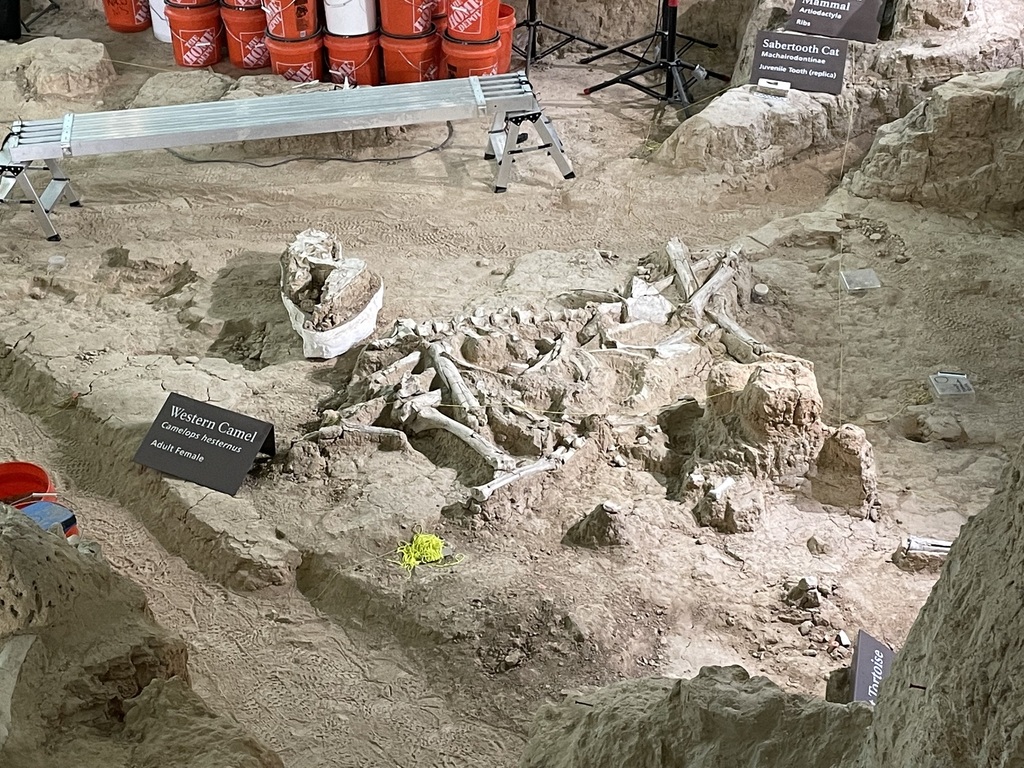
Licensed reference(c) lejones417, some rights reserved (CC BY-SA) · cc-by-sa
—observations
—countries
—peak records
ExtinctConservation statusIUCN Red List categoriesLCNTVUENCREWEXExtinctRed List categories, explained →
Diet & prey
- Grasses
- Sedges
- Shrub foliage
Predators
- Human
- Saber-toothed Cat
- Dire Wolf
ThreatsRapid climate shifts and Clovis hunter predation
HabitatsOpen grasslands, savannas, parklands, and arid scrub
Life span60–80 years
Classification
- FamilyElephantidae
- SpeciesMammuthus columbi
Range data is not available yet.
Interaction riskLow
- Low
- Moderate
- High
- Very high
- Why interaction risk is low
- Extinct species known exclusively from fossil and subfossil remains.
Responsible observation
- Museum Viewing: Examine articulated fossil skeletons at asphalt seep sites and natural history museums across North America.
- Molar Identification: Look for closely packed, flat enamel ridges that distinguish mammoth grinding teeth from bumpy mastodon molars.
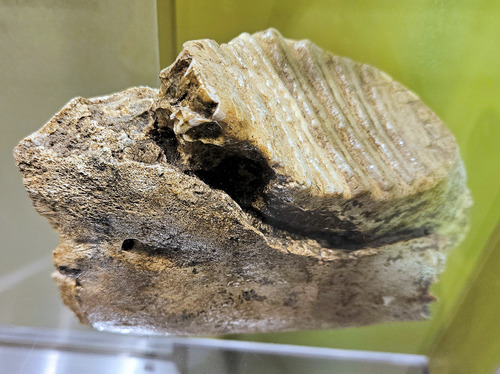
Dwarf Descendant (c) Eric Polk, some rights reserved (CC BY-SA) · cc-by-sa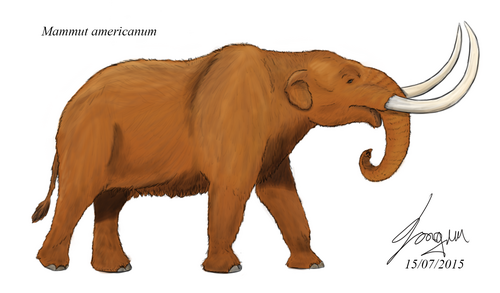
Contemporary Herbivore (c) Joaquin Eng Ponce, some rights reserved (CC BY-SA) · cc-by-sa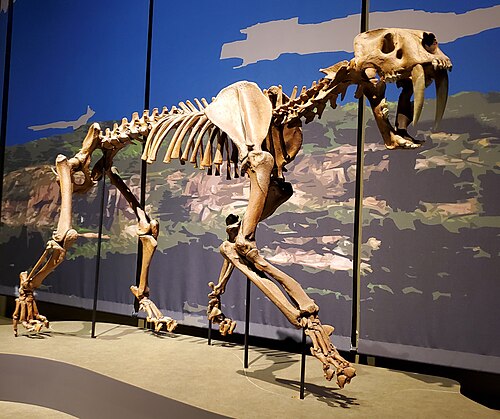
Pleistocene Predator JJonahJackalope / CC BY-SA 4.0 · cc-by-sa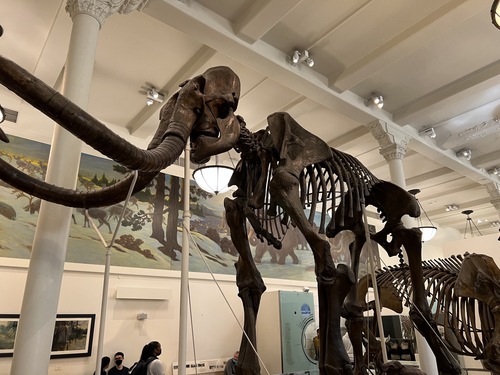
Close Relative no rights reserved, uploaded by mionectes · cc0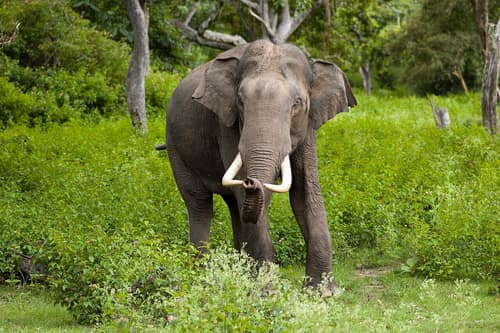
Closest Living Relative Yathin S Krishnappa / CC BY-SA 3.0 · cc-by-sa
Help improve the field guideSomething wrong?
Checking your Fauna account…Report a name, category, or profile issue for review.