
Plant · GBIF taxon 8672564
Giant Red Paintbrush
Castilleja miniataAlso known as Greater Red Paintbrush, Scarlet Paintbrush, Miniate Paintbrush
Giant red paintbrush lights up subalpine meadows and stream banks across western North America with dense spikes of fiery crimson floral bracts. While its showy bracts steal the spotlight to attract hummingbird pollinators, its actual flowers are inconspicuous green tubes hidden within. As a hemiparasitic plant, it taps into the roots of neighboring grasses and shrubs to siphon water and vital nutrients, allowing it to flourish in high-altitude environments.
WildflowerHemiparasiteMountain
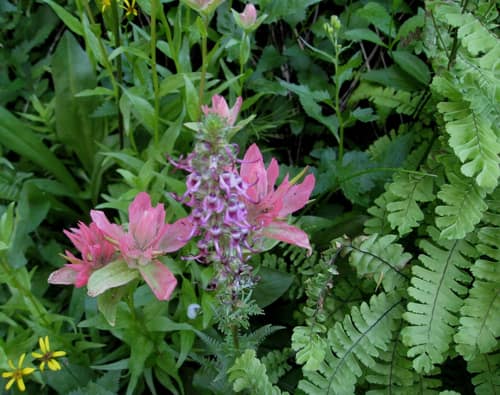
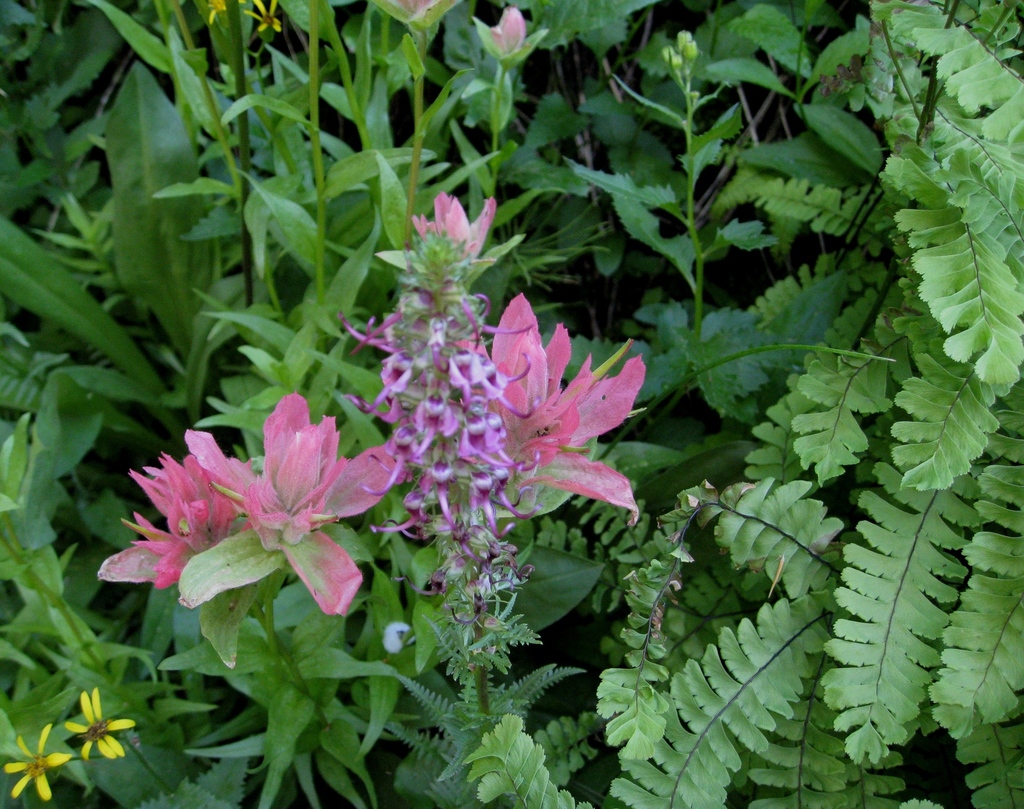
—observations
—countries
—peak records
Least ConcernConservation statusIUCN Red List categoriesLCNTVUENCREWEXLeast ConcernRed List categories, explained →
Diet & prey
- Hemiparasitic photosynthetic (absorbs water and minerals from host roots via haustoria)
Predators
- Elk
- Mule Deer
- Caterpillars
ThreatsHabitat degradation, climate change droughts, overgrazing
HabitatsMoist meadows, stream banks, mountain slopes, subalpine forest openings
Life spanPerennial
Classification
- FamilyOrobanchaceae
- SpeciesCastilleja miniata
Range data is not available yet.
Interaction riskLow
- Low
- Moderate
- High
- Very high
- Why interaction risk is low
- Safe to observe at a normal distance.
Responsible observation
- Observe pollinators: Watch hummingbirds and bumblebees visit the brightly colored spikes during peak summer bloom.
- Check nearby vegetation: Look for adjacent grasses and shrubs that act as root hosts for this hemiparasite.
- Leave undisturbed: Avoid transplanting wild specimens, as breaking root connections to host plants is usually fatal.
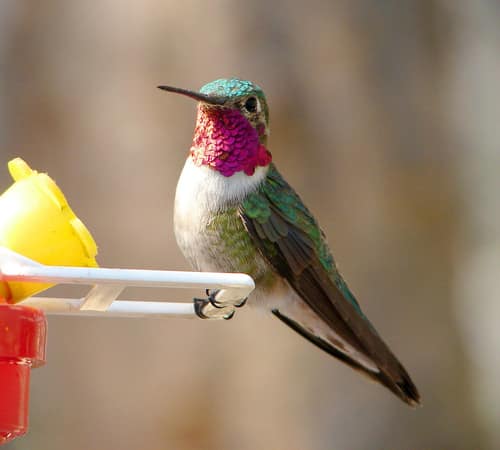
Pollinator Michelle Lynn Reynolds / CC BY-SA 3.0 · cc-by-sa Image unavailable
Host Plant Close Relative 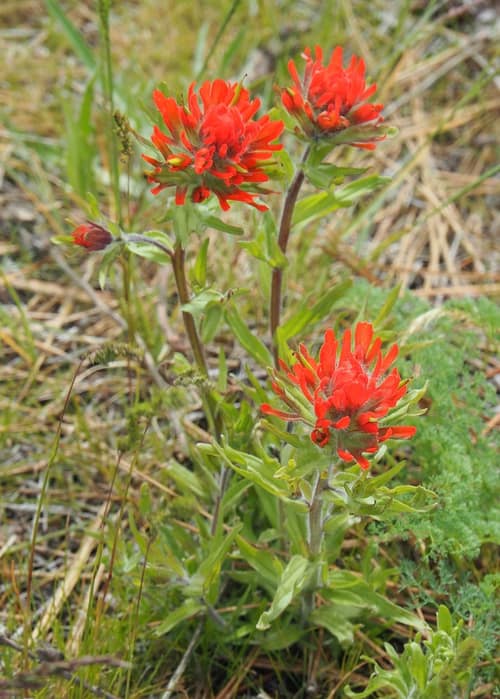
Close Relative (c) John G. Phillips, some rights reserved (CC BY), uploaded by John G. Phillips · cc-by
Help improve the field guideSomething wrong?
Checking your Fauna account…Report a name, category, or profile issue for review.