
Invertebrate
Megarachne servinei
Megarachne servineiOriginally misidentified as the largest spider to have ever lived, Megarachne servinei was actually a freshwater eurypterid that prowled the muddy bottoms of Late Carboniferous waterways. Equipped with specialized appendages lined with fine spines, it sifted through soft riverbed sediments in search of worms and small invertebrates. Its broad, heavily armored carapace and distinct compound eyes offered vital protection and vision across murky floodplain environments.
FreshwaterArmored
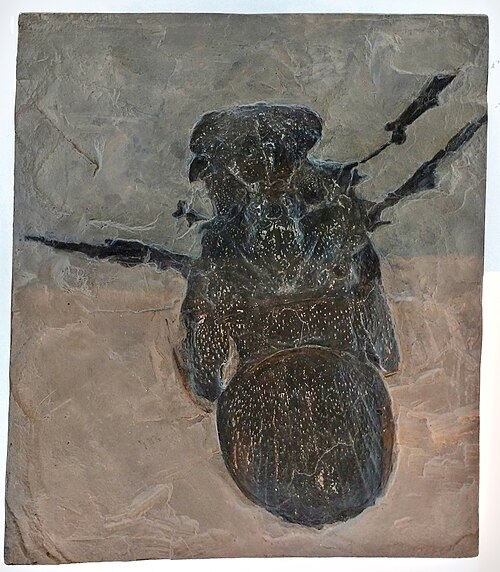
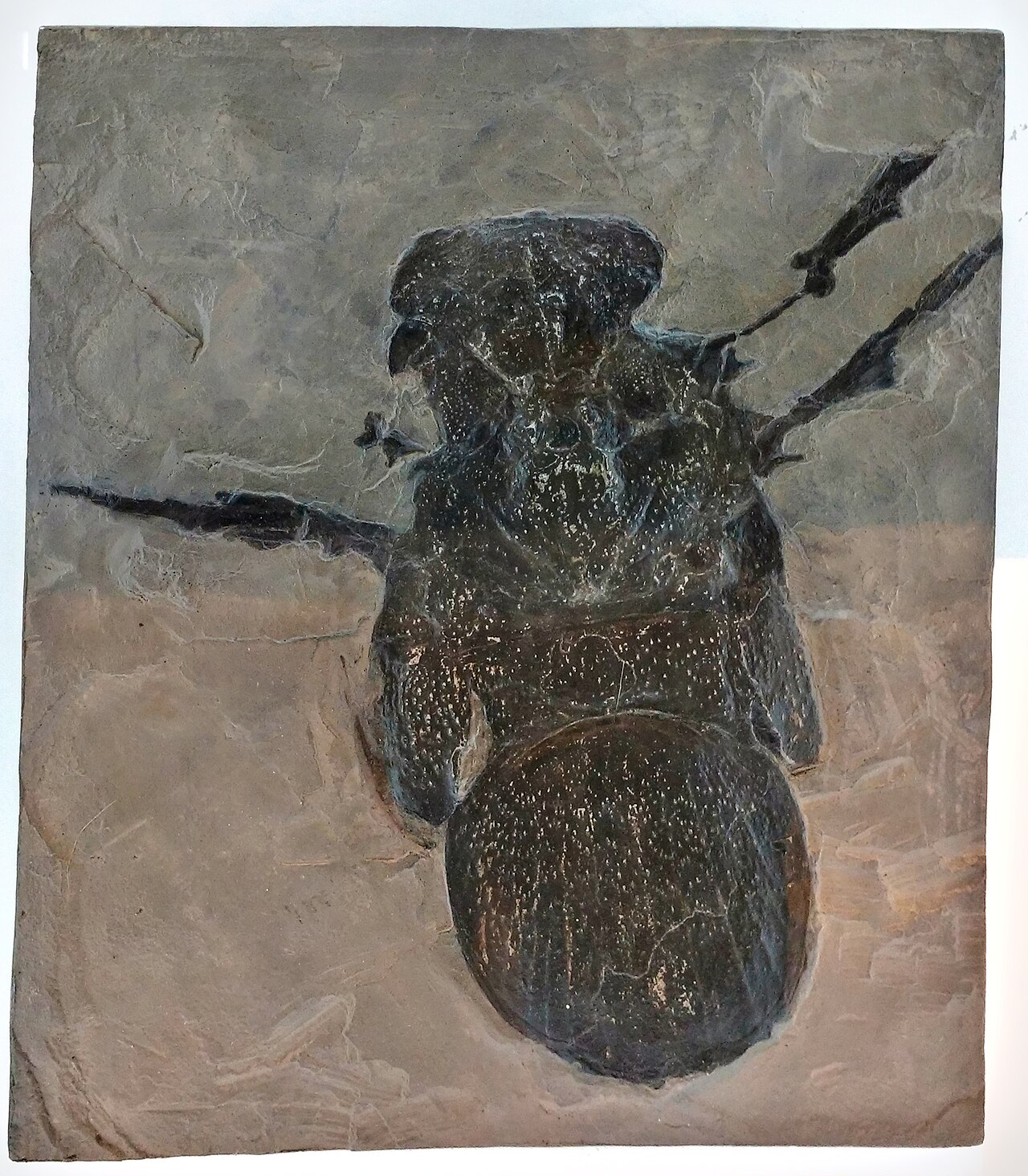
—observations
—countries
—peak records
ExtinctConservation statusIUCN Red List categoriesLCNTVUENCREWEXExtinctRed List categories, explained →
Diet & preyAquatic invertebrates, Worms, Small freshwater fish
Predators
- Xenacanthid sharks
- Early tetrapods
- Large rhizodont fishes
ThreatsClimate shifts and habitat desiccation during the Carboniferous-Permian transition
HabitatsFreshwater lakes, floodplains, and river bottoms
Life spanEstimated 5–15 years
Classification
- FamilyMycteropidae
- GenusMegarachne
- SpeciesMegarachne servinei
Range data is not available yet.
Interaction riskLow
- Low
- Moderate
- High
- Very high
- Why interaction risk is low
- Extinct; fossil specimens and museum casts are completely safe to observe.
Responsible observation
- Museum Study: View cast reconstructions in natural history collections to observe its sweep-feeding appendages.
- Fossil Identification: Look for the blunt, rounded carapace that helped paleontologists distinguish it from true spiders.
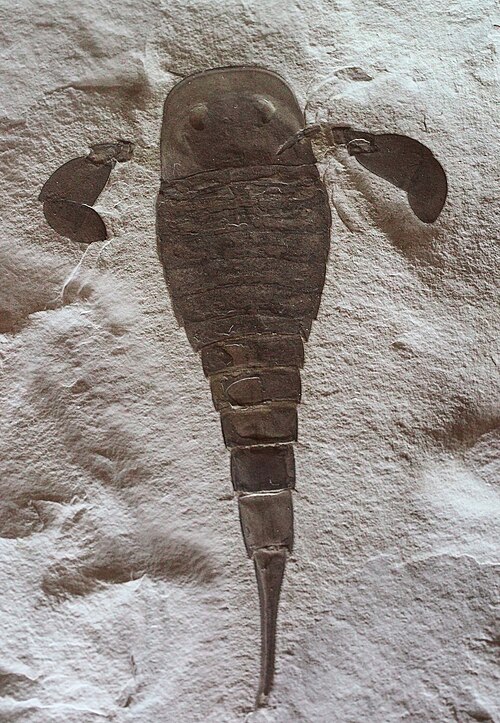
Related Eurypterid Luis Fernández García / CC BY-SA 4.0 · cc-by-sa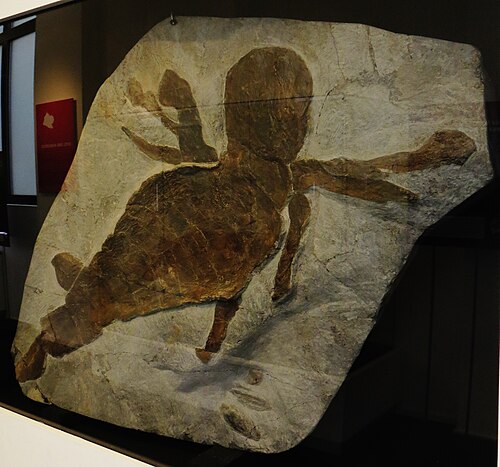
Related Eurypterid Ghedoghedo / CC BY-SA 4.0 · cc-by-sa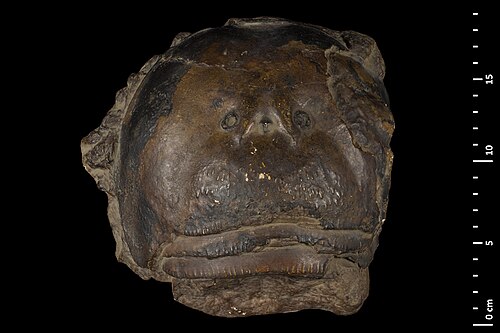
Close Relative Jocelyn FALCONNET / CC BY 4.0 · cc-by
Help improve the field guideSomething wrong?
Checking your Fauna account…Report a name, category, or profile issue for review.