
Invertebrate
Bruised Nassa
Phrontis vibexAlso known as Mottled Dog Whelk, Bruised Basket Snail
Bruised nassas spend most of their lives buried beneath shallow marine sediments with only their long, periscope-like siphons extended above the substrate to taste the water. When dead fish or crushed invertebrates release scents into the currents, these keen scavengers emerge en masse from the sand to swarm and clean the carrion. Their thick, heavily beaded shells protect them from crushing currents and predatory crabs along dynamic coastal shorelines.
MarineScavengerIntertidal
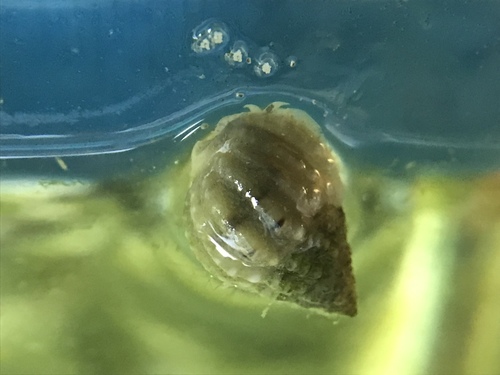
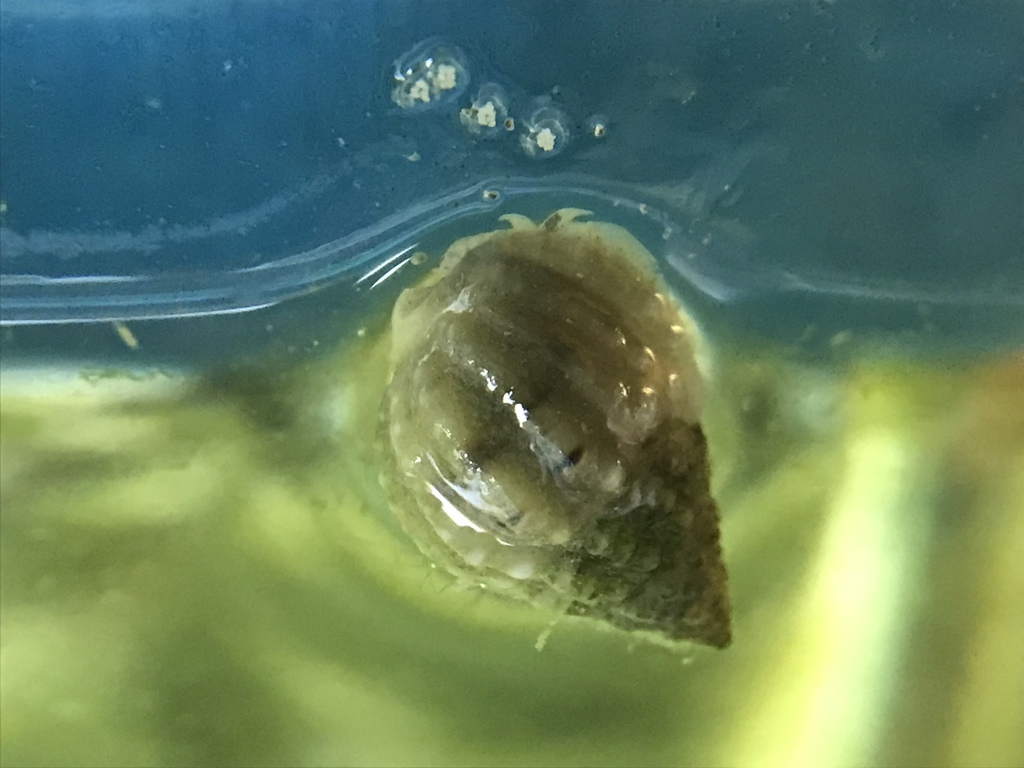
—observations
—countries
—peak records
Not EvaluatedConservation statusIUCN Red List categoriesLCNTVUENCREWEXNot Evaluated — not placed on the risk ladderRed List categories, explained →
Diet & preyDead fish, Crab carcasses, Marine detritus
Predators
- Blue Crab
- Shark Eye
- Willet
ThreatsCoastal runoff, dredging, and shoreline development
HabitatsIntertidal mudflats, shallow sandbars, oyster reefs, and seagrass meadows
Life span2–5 years
Classification
- OrderNeogastropoda
- FamilyNassariidae
- GenusPhrontis
- SpeciesPhrontis vibex
Range data is not available yet.
Interaction riskLow
- Low
- Moderate
- High
- Very high
- Why interaction risk is low
- Safe to observe at a normal distance.
Responsible observation
- Spotting Movement: Watch the sandy substrate closely at low tide for tiny furrowed trails left as they plow through the sediment.
- Gentle Handling: Always return live snails quickly to shallow water or moist sand so their gills do not dry out.
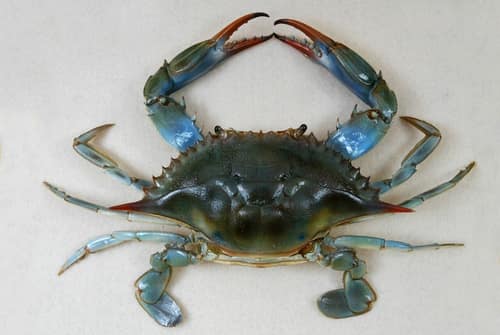
Predator Wikimedia Commons / CC BY-SA 3.0 · cc-by-sa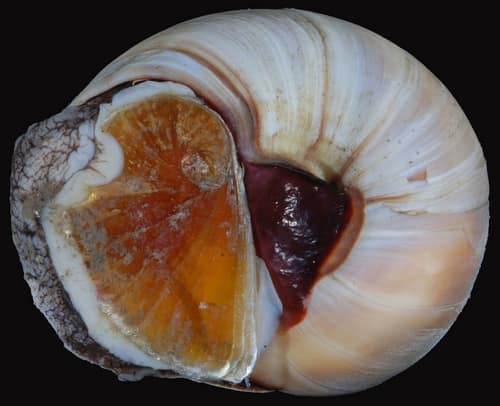
Predator (c) Smithsonian Environmental Research Center, some rights reserved (CC BY) · cc-by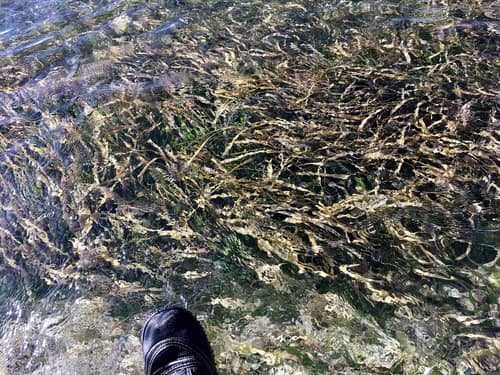
Habitat Partner no rights reserved · cc0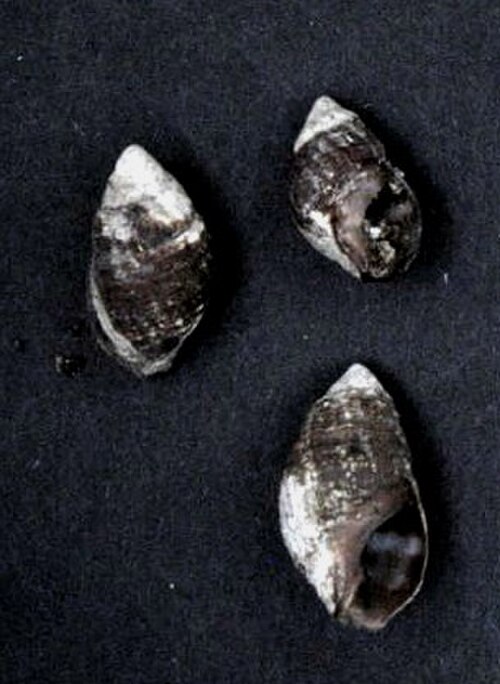
Close Relative Naturalis Biodiversity Center / CC0 · cc0
Help improve the field guideSomething wrong?
Checking your Fauna account…Report a name, category, or profile issue for review.