
Reptile · GBIF taxon 8602156
Russell's Viper
Daboia russeliiAlso known as Chain Viper, Indian Russell's Viper
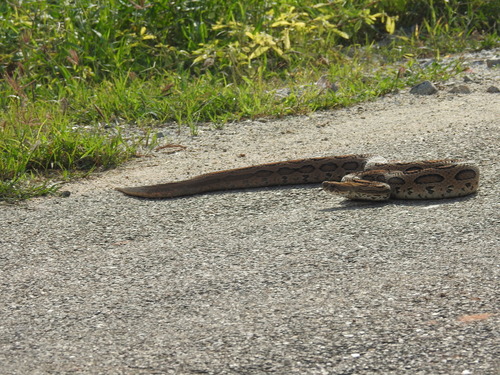
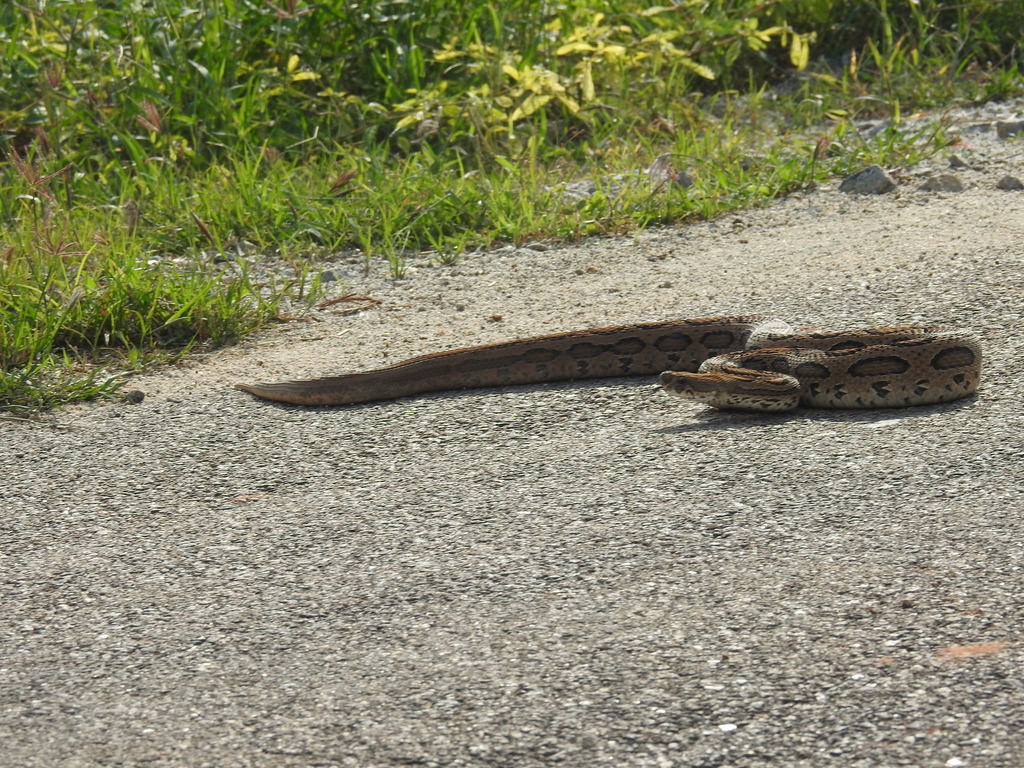
Russell's vipers are thick-bodied ambush predators distinguished by three longitudinal rows of dark brown, white-bordered spots running down their backs. When threatened, they produce an exceptionally loud, rasping hiss using enlarged nostrils that sounds remarkably like a boiling kettle. Highly adaptable to human-altered landscapes, these nocturnal hunters frequently colonize agricultural fields and suburban fringes in search of abundant rodent prey.
VenomousNocturnalAmbush Predator
—observations
—countries
—peak records
Least ConcernConservation statusIUCN Red List categoriesLCNTVUENCREWEXLeast ConcernRed List categories, explained →
Diet & prey
- Rats
- Mice
- Lizards
Predators
- Indian Gray Mongoose
- King Cobra
- Short-toed Snake Eagle
ThreatsPersecution by humans, road mortality, habitat loss
HabitatsGrasslands, scrublands, farmlands, open forests, suburban areas
Life span10–15 years
Classification
- FamilyViperidae
- SpeciesDaboia russelii
Range data is not available yet.
Interaction riskVery high
- Low
- Moderate
- High
- Very high
- Why interaction risk is very high
- Delivers hemotoxic venom through long hinged fangs; stay back and never attempt to handle or corner.
- Why it is dangerous
- Injects potent hemotoxic and cytotoxic venom causing severe tissue damage, severe pain, internal hemorrhaging, and acute kidney injury.
- How to recognize a risky encounter
- Look for a heavy tan body with three connected chains of dark, white-edged oval spots and a triangular head.
- What to do
- Back away slowly if encountered and never reach into thick vegetation or dark crevices without checking first.
Responsible observation
- Keep Distance: Maintain several meters of distance, as strikes are extremely fast and long-reaching.
- Wear Footwear: Put on sturdy high-top leather boots when walking through tall grass or fields at night.
- Listen Closely: Stop and retreat if you hear a loud, whistling hiss coming from dense cover.
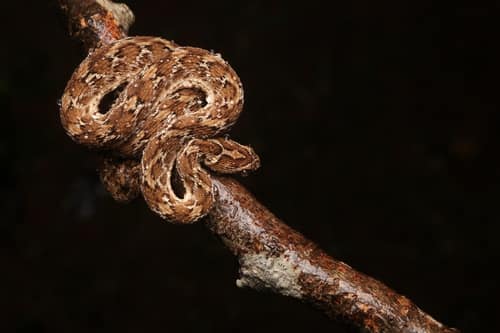
Big Four Member (c) @dineshphotography7797, some rights reserved (CC BY) · cc-by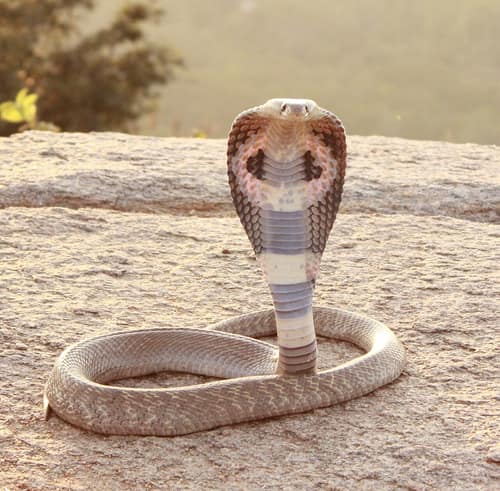
Big Four Member Pavan Kumar N / CC BY-SA 3.0 · cc-by-sa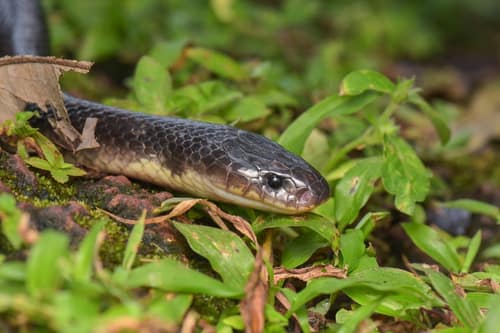
Big Four Member (c) Prashantha Krishna M C, some rights reserved (CC BY), uploaded by Prashantha Krishna M C · cc-by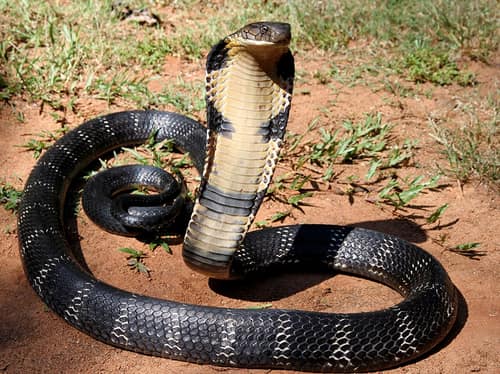
Predator Michael Allen Smith from Seattle, USA / CC BY-SA 2.0 · cc-by-sa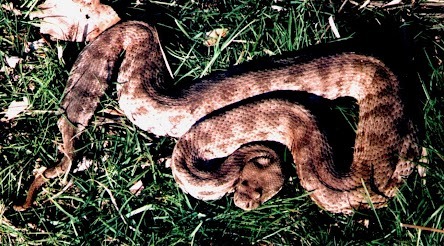
Close Relative (c) Tigran Tadevosyan, some rights reserved (CC BY), uploaded by Tigran Tadevosyan · cc-by
Help improve the field guideSomething wrong?
Checking your Fauna account…Report a name, category, or profile issue for review.