
Reptile · GBIF taxon 2443876
Saw-scaled Viper
Echis carinatusAlso known as Sindh Saw-scaled Viper, Indian Saw-scaled Viper, Little Indian Viper
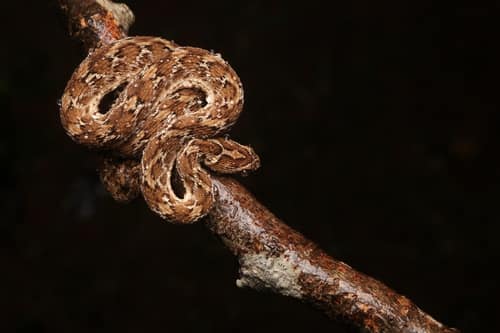
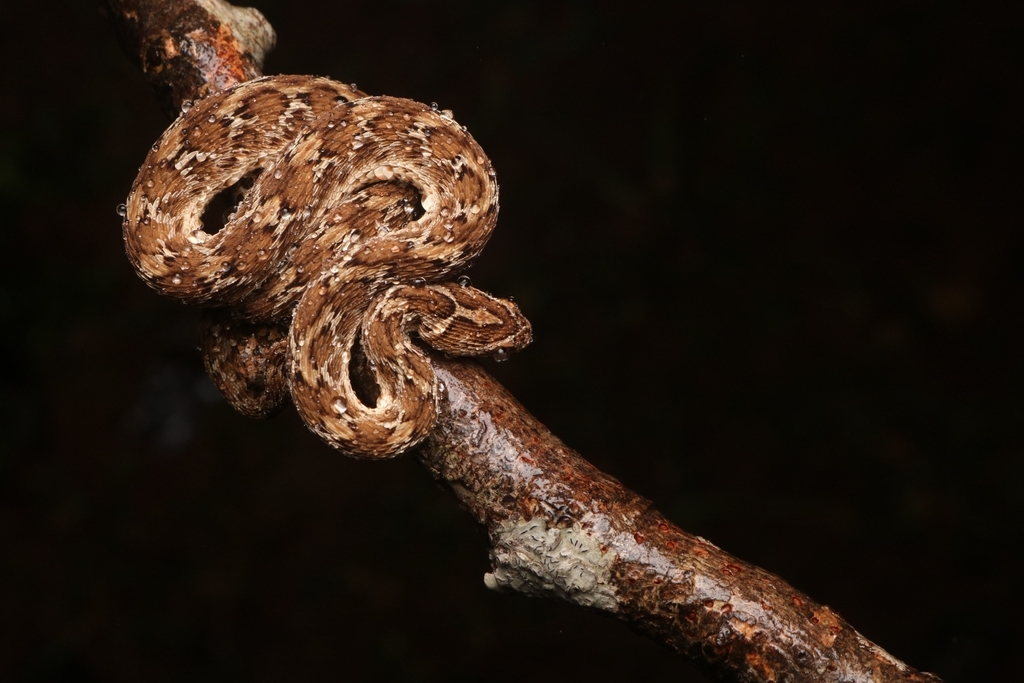
Saw-scaled vipers are small, highly aggressive pitless vipers recognized by their rough, keeled scales that produce a loud rasping sound when rubbed together in a threat display. Primarily nocturnal, these secretive reptiles move using sideways winding locomotion across sandy and rocky terrain where they blend seamlessly into leaf litter and gravel. Possessing exceptionally potent cytotoxic and hemotoxic venom, they cause a substantial portion of snakebite fatalities across the Indian subcontinent.
VenomousNocturnalReptile
—observations
—countries
—peak records
Least ConcernConservation statusIUCN Red List categoriesLCNTVUENCREWEXLeast ConcernRed List categories, explained →
Diet & prey
- Rodents
- Lizards
- Scorpions
Predators
- Birds of prey
- Mongoose
- Larger snakes
ThreatsPersecution by humans, severe habitat conversion
HabitatsArid regions, scrub forests, rocky hillsides, agricultural fields
Life span10–15 years
Size / weightNot available
Classification
- FamilyViperidae
- SpeciesEchis carinatus
Range data is not available yet.
Interaction riskVery high
- Low
- Moderate
- High
- Very high
- Why interaction risk is very high
- Highly venomous with a rapid strike; maintain a safe distance and never approach.
- Why it is dangerous
- Possesses potent hemotoxic and cytotoxic venom that causes localized tissue necrosis, systemic bleeding, and lethal coagulopathy.
- How to recognize a risky encounter
- Look for a distinct figure-eight coiling display accompanied by a dry rasping sound from rubbing keeled scales together.
- What to do
- Back away slowly to a distance of at least three meters and never attempt to handle or corner the snake.
Responsible observation
- Watch your step: Wear sturdy footwear and use a light when walking in arid regions at night.
- Listen for warning signs: Recognize the dry rasping noise created by stridulating keeled scales.
- Give wide berth: Freeze immediately if encountered and back away slowly without sudden moves.
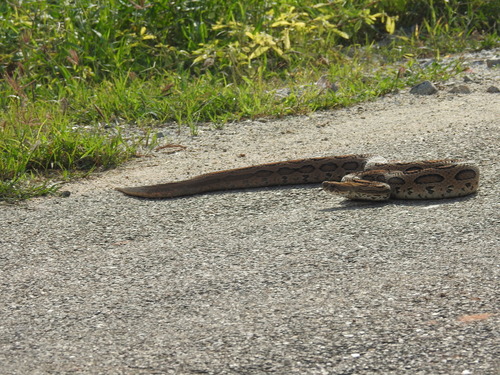
Co-occurring Member (c) Ashwin Viswanathan, some rights reserved (CC BY) · cc-by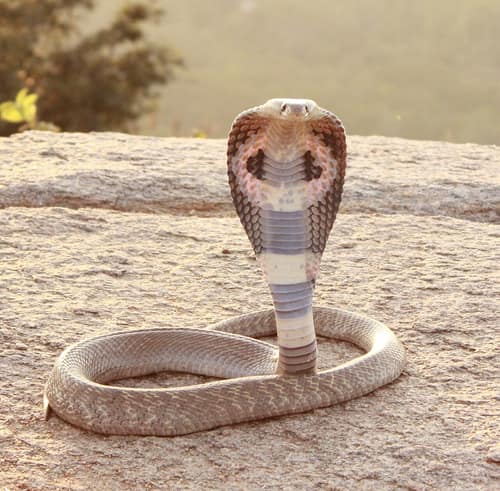
Co-occurring Member Pavan Kumar N / CC BY-SA 3.0 · cc-by-sa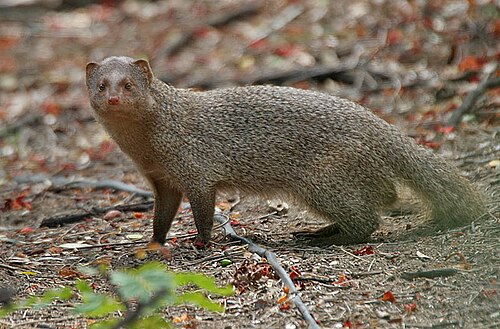
Predator J.M.Garg / CC BY-SA 3.0 · cc-by-sa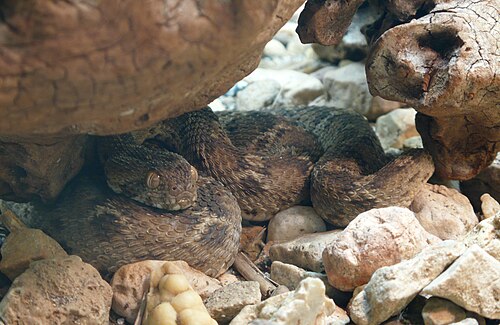
Close Relative TimVickers / Public domain · cc0
Help improve the field guideSomething wrong?
Checking your Fauna account…Report a name, category, or profile issue for review.