
Insect
Davis's Southeastern Dog-day Cicada
Neotibicen davisiAlso known as Southern Dog-day Cicada, Davis' Dog-day Cicada, Davis's Cicada
Davis's Southeastern Dog-day cicadas fill warm pine-hardwood forests with high-pitched, droning choruses from late summer through early autumn. Nymphs spend several years buried in subterranean soil, tapping tree root xylem before tunneling upward to shed their amber exoskeletons on tree trunks. Adults rely on mottled green, black, and brown camouflage against tree bark to evade sharp-eyed birds and predatory wasps.
InvertebrateArborealAcoustic


—observations
—countries
—peak records
Not EvaluatedConservation statusIUCN Red List categoriesLCNTVUENCREWEXNot Evaluated — not placed on the risk ladderRed List categories, explained →
Diet & preyPine xylem sap, Hardwood root fluid, Deciduous branch sap
Predators
- Eastern Cicada Killer
- Songbirds
- Arboreal Spiders
ThreatsHabitat fragmentation, intensive land clearing, and localized pesticide spraying
HabitatsPine flatwoods, oak-hickory forests, and suburban woodlands
Life span2–3 years underground as nymphs; 3–6 weeks as winged adults
Classification
- FamilyCicadidae
- SpeciesNeotibicen davisi
Range data is not available yet.
Interaction riskLow
- Low
- Moderate
- High
- Very high
- Why interaction risk is low
- Safe to observe at a normal distance.
Responsible observation
- Listen for songs: Tune your ears to tree crowns during humid late-summer afternoons to pinpoint buzzing calls.
- Inspect lower trunks: Search tree bark after dusk to find freshly emerged adults molting from their shell.
- Gentle handling: If an adult lands nearby, allow it to walk freely on a flat palm without squeezing.
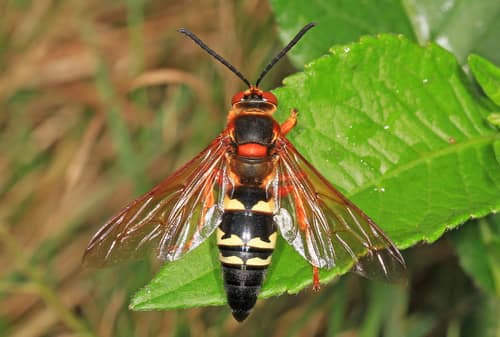
Predator (c) Judy Gallagher, some rights reserved (CC BY-SA), uploaded by Judy Gallagher · cc-by-sa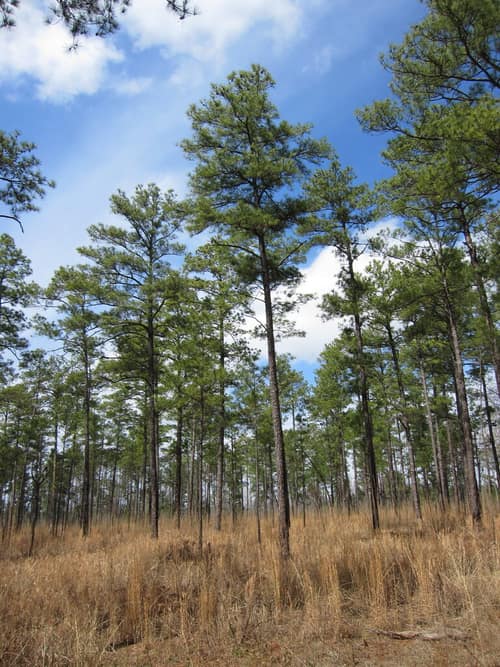
Host Plant (c) Chris M Morris, some rights reserved (CC BY) · cc-by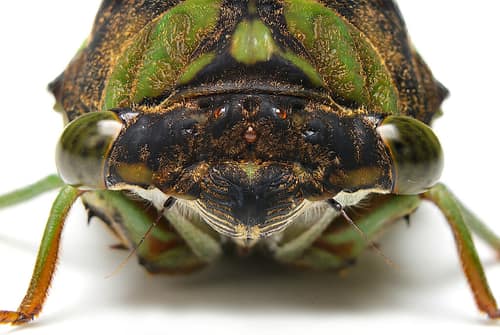
Close Relative (c) Matthew Lindsey, some rights reserved (CC BY) · cc-by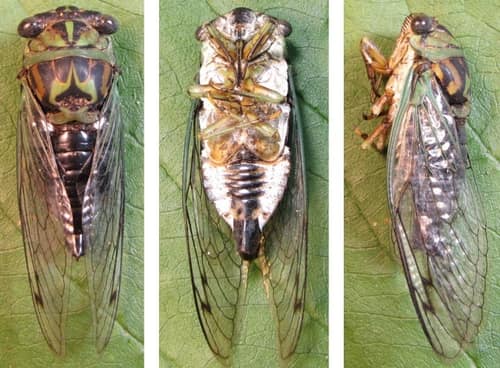
Close Relative no rights reserved, uploaded by Ken Kneidel · cc0
Help improve the field guideSomething wrong?
Checking your Fauna account…Report a name, category, or profile issue for review.