
Insect · GBIF taxon 8529239
Dogday Cicada
Neotibicen canicularisAlso known as Dog-Day Harvestfly, Heatbug, Annual Cicada
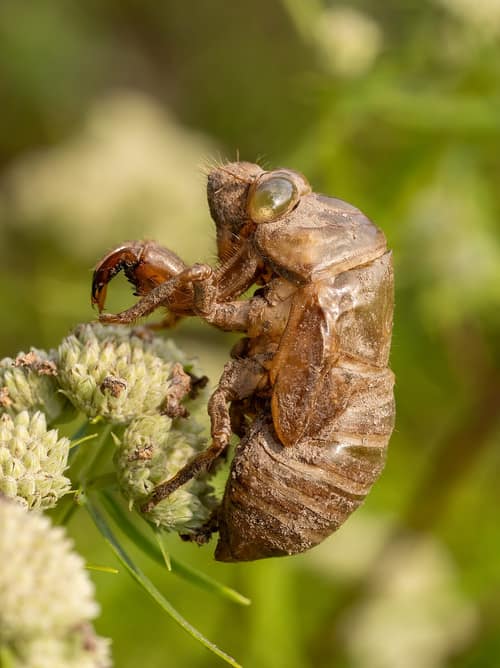
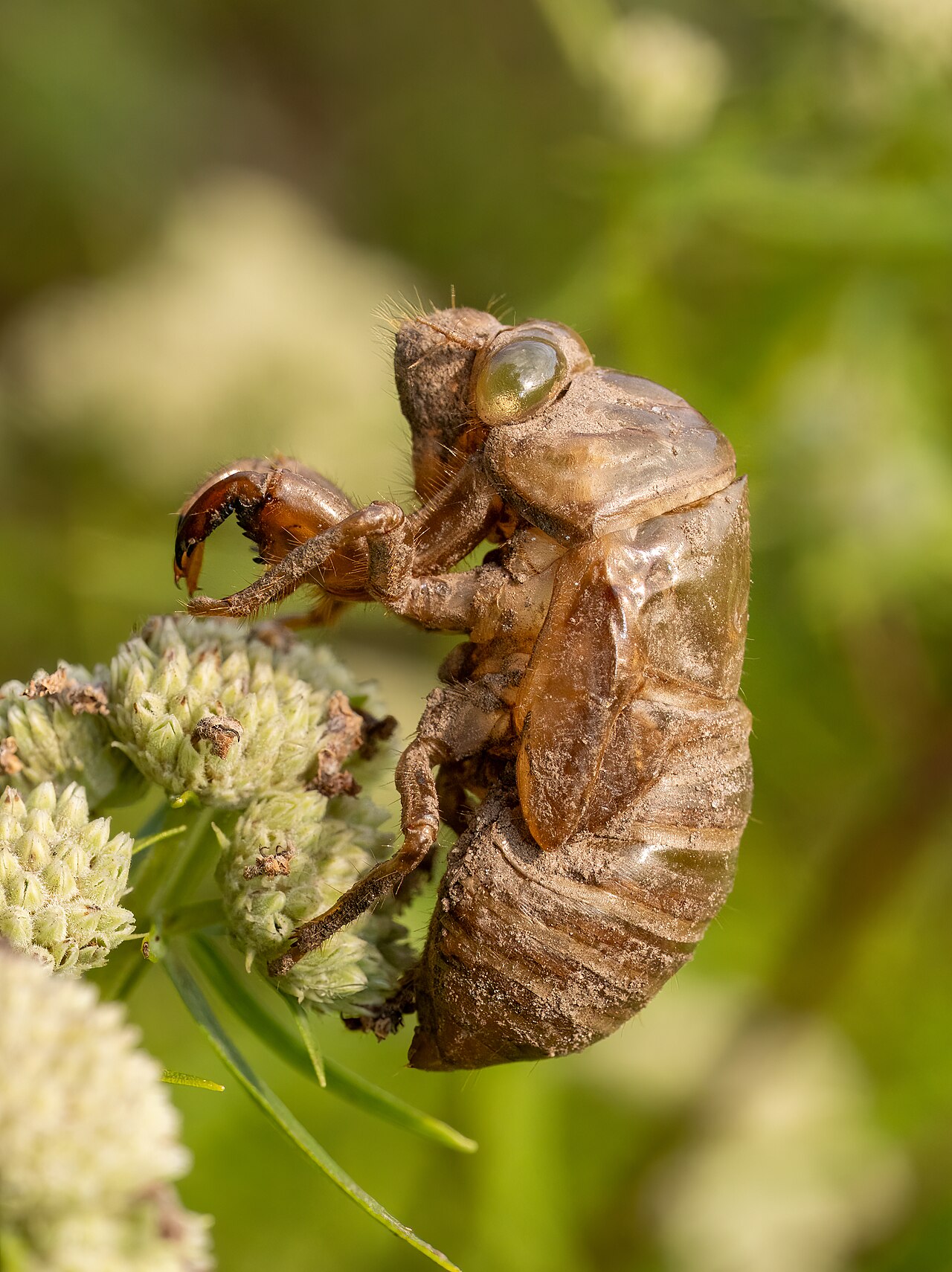
Dogday cicadas fill late summer afternoons with a high-pitched, buzzing song that swells in intensity before slowly fading away. Nymphs live underground for three years feeding on tree sap before tunneling up, shedding their nymphal skins on tree bark, and transforming into winged adults. Their cryptic green and black camouflage keeps them well hidden high in the hardwood canopy from hungry birds and parasitic wasps.
InsectAuditoryTree Canopy
—observations
—countries
—peak records
Least ConcernConservation statusIUCN Red List categoriesLCNTVUENCREWEXLeast ConcernRed List categories, explained →
Diet & prey
- Hardwood Tree Sap
Predators
- Blue Jay
- Cicada Killer Wasp
- Eastern Grey Squirrel
ThreatsPesticide spraying, extensive loss of mature host trees
HabitatsDeciduous forests, urban parks, woodlots, residential tree canopies
Life span3 years as nymph; 4–6 weeks as adult
Size / weightNot available
Classification
- OrderHemiptera
- FamilyCicadidae
- GenusNeotibicen
- SpeciesNeotibicen canicularis
Range data is not available yet.
Interaction riskLow
- Low
- Moderate
- High
- Very high
- Why interaction risk is low
- Safe to observe at a normal distance.
Responsible observation
- Locating Males: Listen high in mature hardwood trees during hot August afternoons when males buzz loudest.
- Finding Exuviae: Check lower tree trunks and fence posts for brittle, translucent nymph shells left behind.
- Handling Adults: Adults are entirely harmless to humans and can be picked up gently if found on low branches.
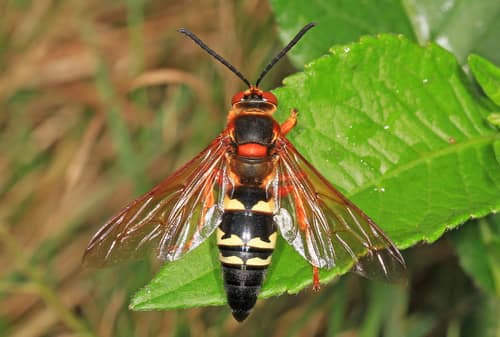
Predator (c) Judy Gallagher, some rights reserved (CC BY-SA), uploaded by Judy Gallagher · cc-by-sa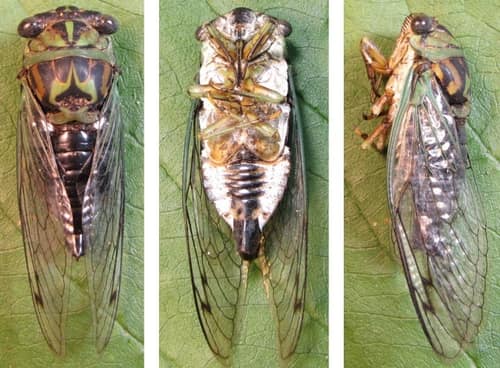
Close Relative no rights reserved, uploaded by Ken Kneidel · cc0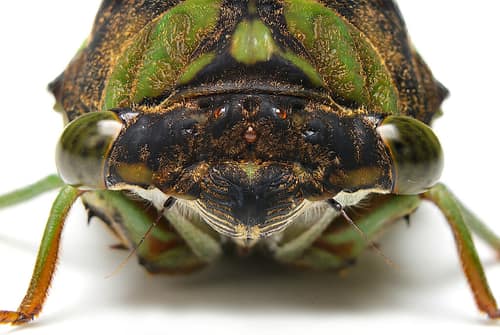
Close Relative (c) Matthew Lindsey, some rights reserved (CC BY) · cc-by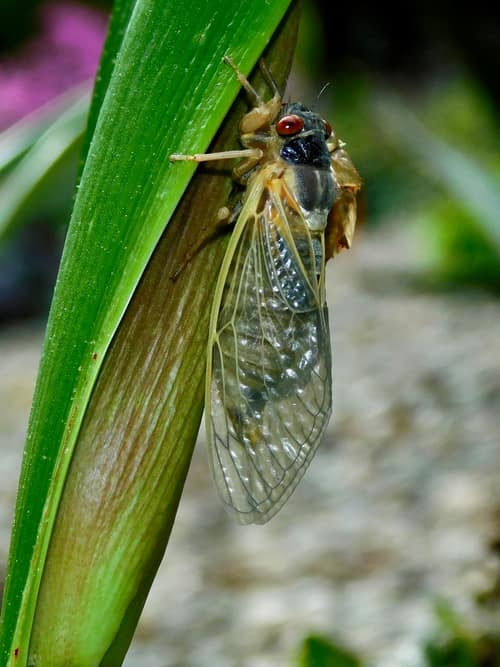
Distant Relative (c) Michael J. Papay, some rights reserved (CC BY) · cc-by
Help improve the field guideSomething wrong?
Checking your Fauna account…Report a name, category, or profile issue for review.