
Insect · GBIF taxon 8511119
Scissor Grinder
Neotibicen pruinosusAlso known as Scissor-Grinder Cicada, Pruinose Annual Cicada
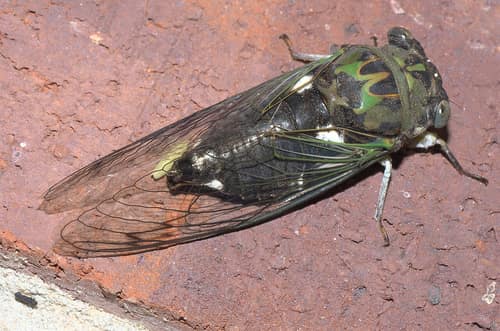
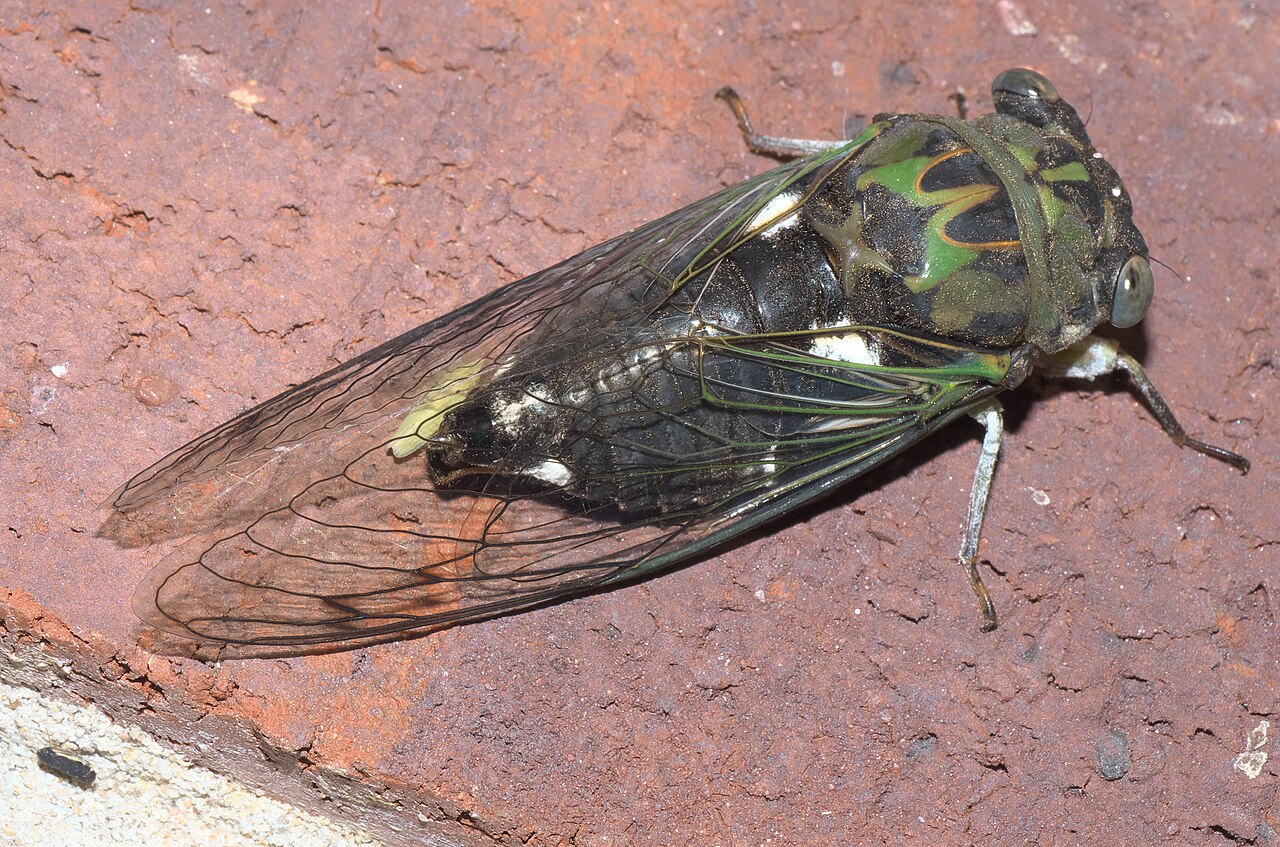
Scissor grinders are large annual cicadas named for the rhythmic, pulsing buzzing produced by males high in canopy treetops, which mimics the sound of a blade being sharpened on a grindstone. Dressed in cryptic shades of forest green, deep black, and dusting white pruinescence, these insects spend years underground feeding on xylem sap from root systems before emerging into the summer warmth. Adults play an essential role in forest food webs, serving as a nutrient-rich seasonal boom for birds, small mammals, and predatory insects.
InsectSummer SingerCamouflaged
—observations
—countries
—peak records
Not EvaluatedConservation statusIUCN Red List categoriesLCNTVUENCREWEXNot Evaluated — not placed on the risk ladderRed List categories, explained →
Diet & prey
- Tree Sap
Predators
- Eastern Cicada Killer Wasp
- Insectivorous Birds
- Tree Squirrels
ThreatsExcessive pesticide applications, land clearing, and loss of mature host trees
HabitatsDeciduous forests, river valleys, urban parks, and tree-lined suburban streets
Life span3–5 years underground as nymphs; 4–6 weeks as adults
Classification
- OrderHemiptera
- FamilyCicadidae
- GenusNeotibicen
- SpeciesNeotibicen pruinosus
Range data is not available yet.
Interaction riskLow
- Low
- Moderate
- High
- Very high
- Why interaction risk is low
- Safe to observe at a normal distance.
Responsible observation
- Listen in late summer: Males call loudest from tree canopies during hot afternoons from July through September.
- Look for exuviae: Search lower tree trunks and fence posts for brown shed nymph skins left behind after adult emergence.
- Approach quietly: Pause movements when a male begins calling, as sudden movements cause them to drop out of sight.
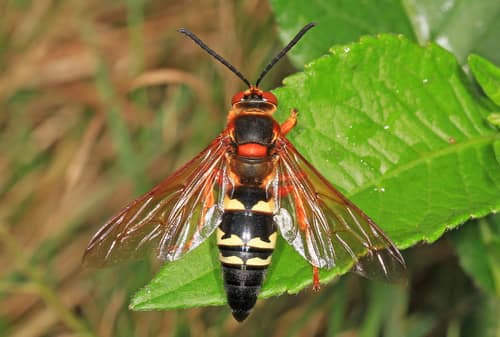
Predator (c) Judy Gallagher, some rights reserved (CC BY-SA), uploaded by Judy Gallagher · cc-by-sa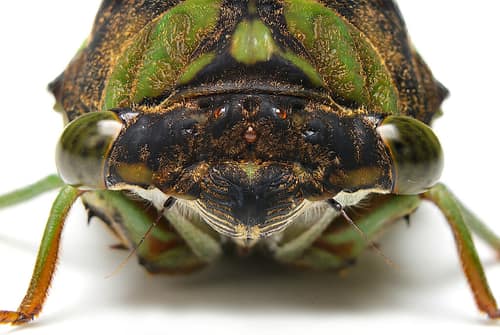
Close Relative (c) Matthew Lindsey, some rights reserved (CC BY) · cc-by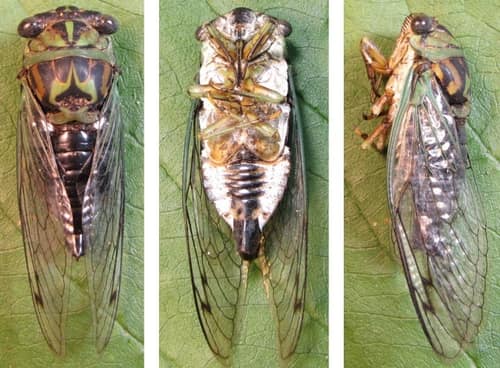
Close Relative no rights reserved, uploaded by Ken Kneidel · cc0
Help improve the field guideSomething wrong?
Checking your Fauna account…Report a name, category, or profile issue for review.