
Bird
Ornimegalonyx oteroi
Ornimegalonyx oteroiAlso known as Cuban Giant Owl, Cursorial Giant Owl
Standing over a meter tall with remarkably robust legs, this titanic bird prowled the prehistoric Cuban landscape primarily on foot. Reduced pectoral muscles and short wings rendered it nearly flightless, adapted instead for rapid sprints and powerful leaps to tackle bulky mammals. Subfossil remains concentrated in limestone caverns suggest it utilized deep cave shelters for nesting and daytime roosting.
FlightlessCarnivore
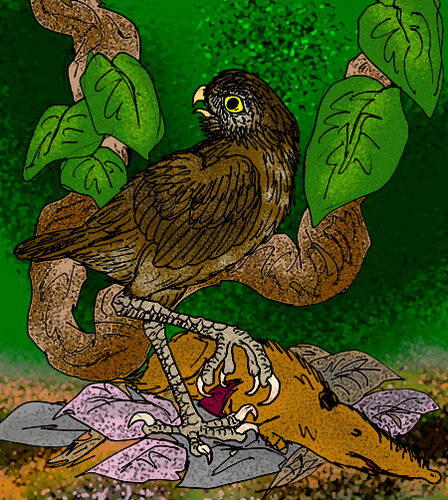
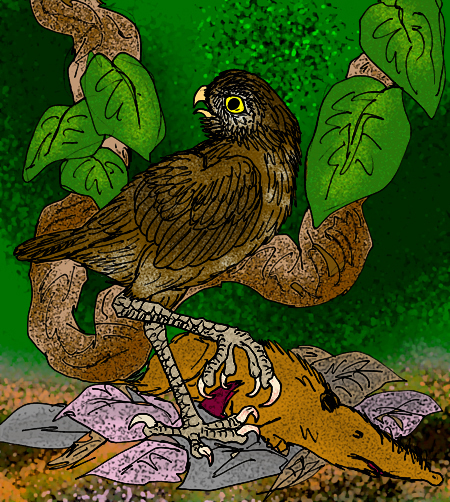
—observations
—countries
—peak records
ExtinctConservation statusIUCN Red List categoriesLCNTVUENCREWEXExtinctRed List categories, explained →
Diet & preyGiant hutias, Dwarf ground sloths, Cuban solenodons
ThreatsLate Quaternary climatic shifts and early human colonization
HabitatsPleistocene scrublands, karst forests, and cave systems
Life span15–25 years (estimated)
Classification
- FamilyStrigidae
- SpeciesOrnimegalonyx oteroi
Range data is not available yet.
Interaction riskLow
- Low
- Moderate
- High
- Very high
- Why interaction risk is low
- Extinct species; safe to study and observe through museum fossil exhibits.
Responsible observation
- Museum Exhibits: Examine mounted subfossil limb bones and skulls in natural history collections.
- Cave Formations: Never disturb delicate karst sediment layers in Cuban caverns containing fossils.
 Image unavailable
Competitor Competitor 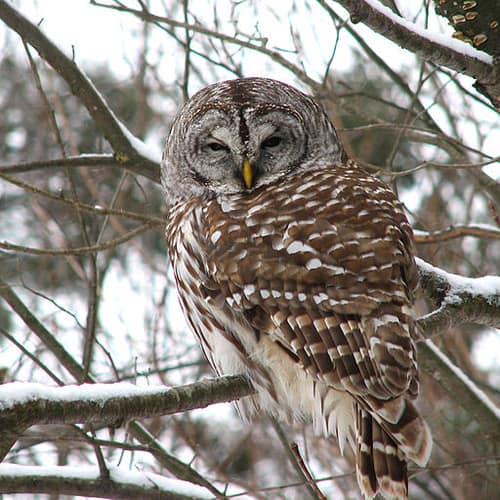
Close Relative U.S. Fish and Wildlife Service Headquarters / Public domain · cc0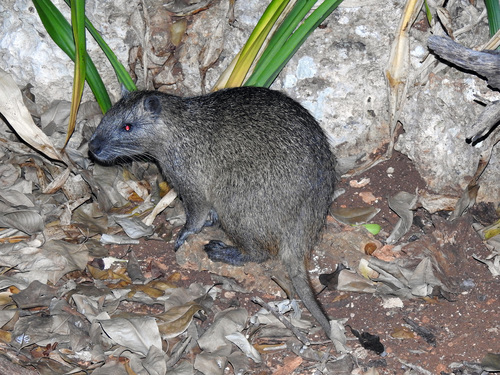
Prey Relative (c) Louis Imbeau, some rights reserved (CC BY), uploaded by Louis Imbeau · cc-by
Help improve the field guideSomething wrong?
Checking your Fauna account…Report a name, category, or profile issue for review.