
Plant · GBIF taxon 8404336
Jointed Ephedra
Ephedra ciliataAlso known as Climbing Ephedra, Shrubby Horsetail, Desert Jointfir
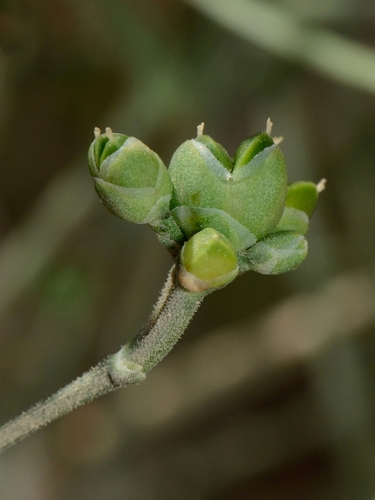
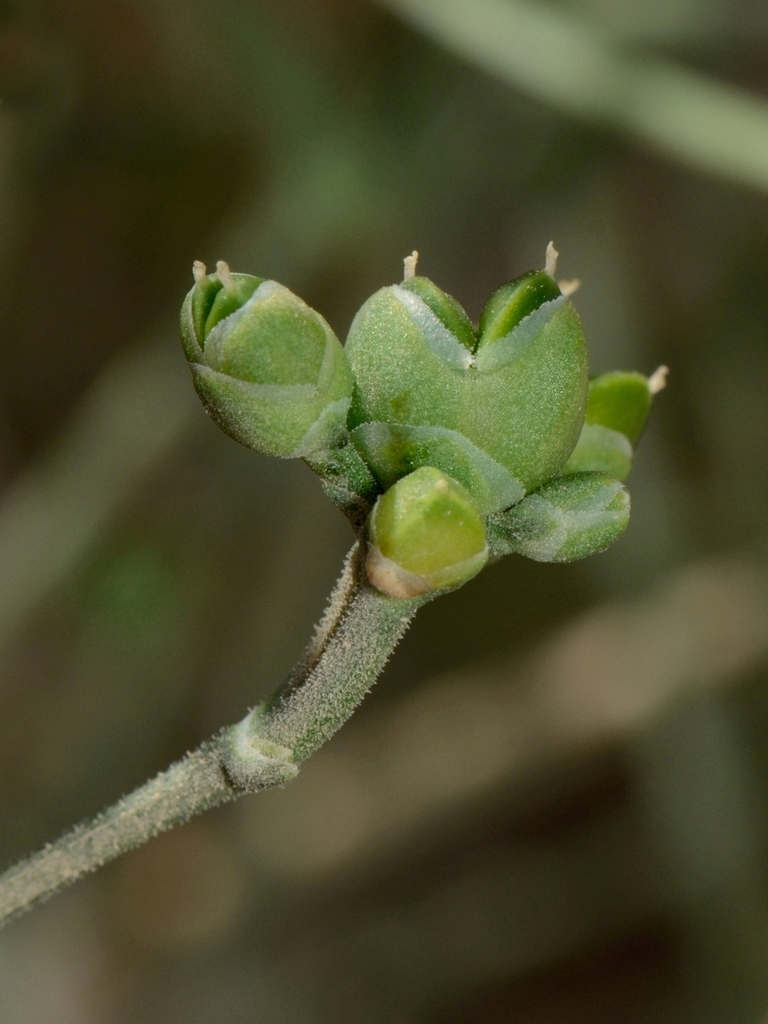
Jointed Ephedra scrambles over desert rocks and host shrubs with slender, green jointed stems that carry out most of the plant's photosynthesis. Tiny scale-like leaves cluster at the nodes, while mature female plants produce vibrant red, fleshy cones that resemble small berries. Deep root systems allow this ancient gymnosperm lineage to thrive in harsh, hyper-arid environments across North Africa and Western Asia.
DesertGymnospermClimbing
—observations
—countries
—peak records
Least ConcernConservation statusIUCN Red List categoriesLCNTVUENCREWEXLeast ConcernRed List categories, explained →
Diet & prey
- Photosynthetic (Sunlight, Water, Soil Minerals)
Predators
- Goats
- Camels
- Desert Birds
ThreatsOvergrazing, Habitat Loss, Climate Change
HabitatsDeserts, Arid Scrub, Rocky Slopes, Dry Steppes
Life span20–50 years
Size / weightNot available
Classification
- FamilyEphedraceae
- SpeciesEphedra ciliata
Range data is not available yet.
Interaction riskHigh
- Low
- Moderate
- High
- Very high
- Why interaction risk is high
- Contains ephedrine alkaloids and wild berries have look-alike risks; never ingest wild plant parts.
- Why it is dangerous
- Contains ephedrine and related alkaloids that alter heart rate and blood pressure if consumed.
- How to recognize a risky encounter
- Look for thin green whip-like jointed stems scrambling over shrubs, bearing fleshy red cones.
- What to do
- Observe and photograph safely from a distance; do not ingest any stems or seed cones.
Responsible observation
- Observation: Look for bright red fleshy seed cones on female plants during late spring.
- Identification: Examine the slender, green jointed stems with minute, opposite scale leaves.
 Image unavailable
Close Relative Close Relative 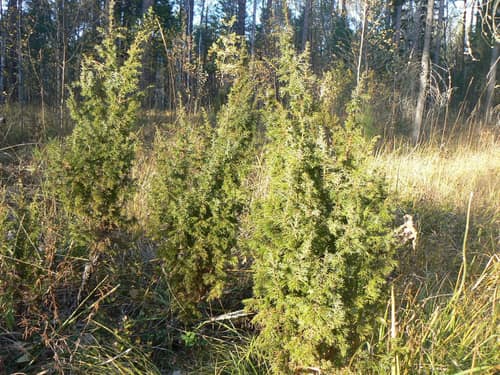
Gymnosperm Relative (c) Andrew Bazdyrev, some rights reserved (CC BY), uploaded by Andrew Bazdyrev · cc-by
Help improve the field guideSomething wrong?
Checking your Fauna account…Report a name, category, or profile issue for review.