Also known as Bird Pepper, Malagueta Pepper, Wild Chili
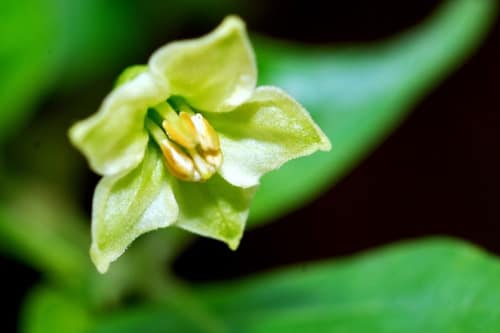
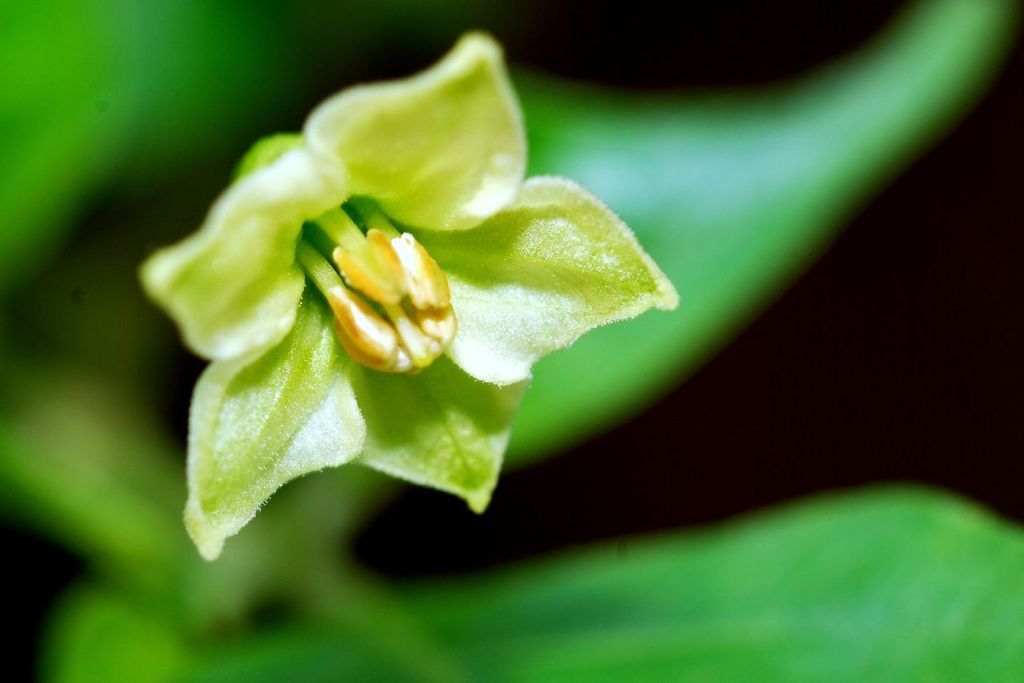
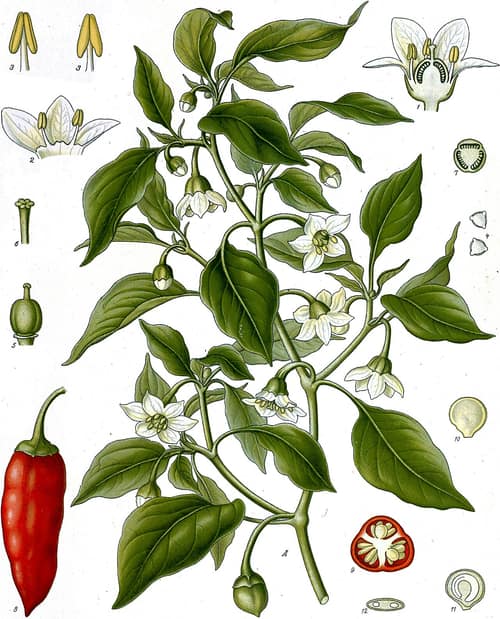
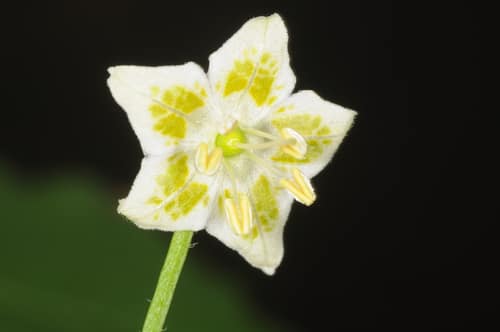
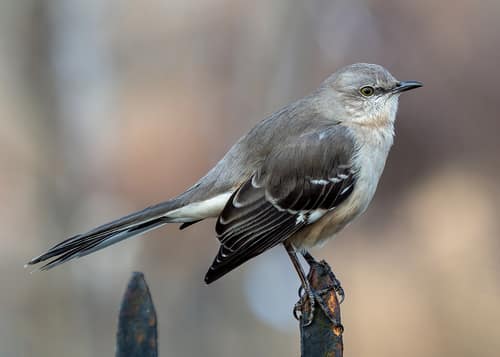
Woody-stemmed and spreading, Capsicum frutescens thrives across tropical forest edges and sunny thickets, producing distinctive clusters of erect, greenish-white blossoms followed by small, upright pods. Wild birds, completely unaffected by capsaicin heat receptors, devour the bright pods and disperse viable seeds across wide territories through droppings. The shrub invests heavily in dense branching and defensive chemical compounds that deter browsing mammals and fungal pathogens.
Not EvaluatedConservation statusIUCN Red List categoriesLCNTVUENCREWEXNot Evaluated — not placed on the risk ladderRed List categories, explained →
Key facts
Diet & prey
Autotrophic (photosynthetic)
Predators
Spider Mite
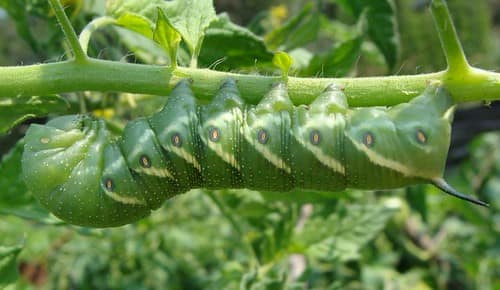
Tomato Hornworm
Cotton Aphid
ThreatsHabitat clearing, invasive pests, and genetic swamping from domestic crops
HabitatsTropical forest margins, riverbanks, scrublands, and disturbed clearings
Life span3–5 years
Classification
OrderSolanales
FamilySolanaceae
GenusCapsicum
SpeciesCapsicum frutescens
Range & activity
Range data is not available yet.
Safe observation
Interaction riskHigh
Low
Moderate
High
Very high
Why interaction risk is high
Fruit irritates eyes and skin, and foliage harms pets; wild berries have toxic look-alikes, so never ingest.
Why it is dangerous
High levels of capsaicin cause intense chemical irritation and burning sensations to skin and mucous membranes, while solanaceous foliage is toxic to cats and dogs.
How to recognize a risky encounter
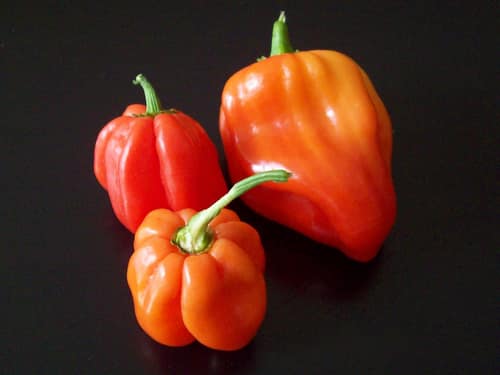
Look for compact shrubs bearing small, upright, conical pods that ripen from greenish-yellow to bright red alongside pale greenish blossoms.
What to do
Avoid rubbing eyes or touching exposed skin after contact, and keep domestic animals away from the leaves and stems.
Responsible observation
Handling Caution: Wear gloves when inspecting ripe pods, as capsaicin residue easily transfers to skin and eyes.
Look for Flowers: Check leaf axils for pale greenish-white flowers that droop slightly before pods emerge upright.