
Bird · GBIF taxon 5231677
Northern Mockingbird
Mimus polyglottosAlso known as Mockingbird
Northern mockingbirds are relentless, virtuoso vocalists famous for copying the calls of dozens of other birds, frogs, and urban sounds. Both males and females sing from exposed perches, frequently continuing their concerts late into moonlit nights during breeding season. Highly territorial, these adaptable songbirds aggressively chase away potential predators, intrusive pets, and large birds that stray too close to their nesting territories.
SongbirdVocalistTerritorial
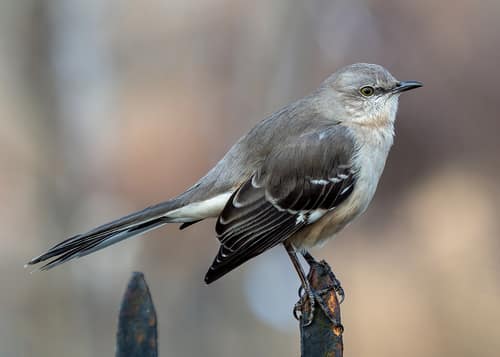
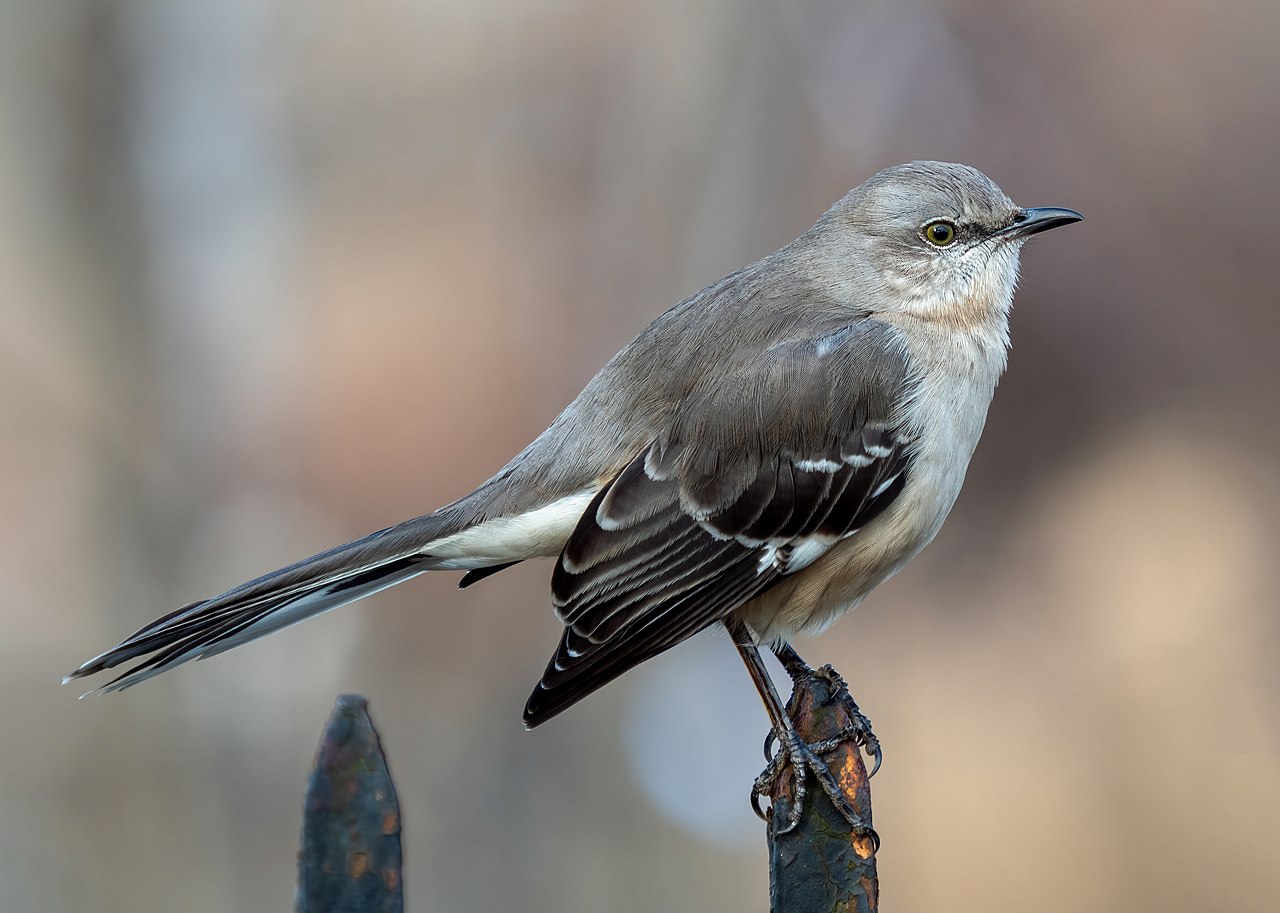
—observations
—countries
—peak records
Least ConcernConservation statusIUCN Red List categoriesLCNTVUENCREWEXLeast ConcernRed List categories, explained →
Diet & prey
- Insects
- Berries
- Earthworms
Predators
- Domestic Cats
- Hawks
- Snakes
ThreatsDomestic cat predation, vehicle collisions, and window strikes
HabitatsSuburban gardens, open woodlands, forest edges, and parks
Life span8–10 years in the wild
Size / weightNot available
Classification
- OrderPasseriformes
- FamilyMimidae
- GenusMimus
- SpeciesMimus polyglottos
Range data is not available yet.
Interaction riskLow
- Low
- Moderate
- High
- Very high
- Why interaction risk is low
- Safe to observe at a normal distance.
Responsible observation
- Listening: Listen during spring nights for male courtship songs that cycle through dozens of mimic vocalizations.
- Observer Distance: Give nesting pairs plenty of space to avoid triggering defensive dive-bombing behaviors.
- Attracting: Offer suet, sliced apples, and mealworms in yard feeders near dense shrubbery.
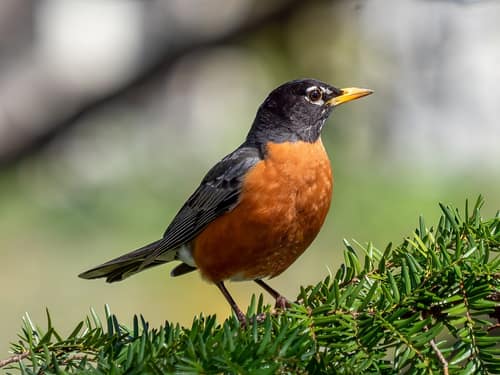
Competitor Rhododendrites / CC BY-SA 4.0 · cc-by-sa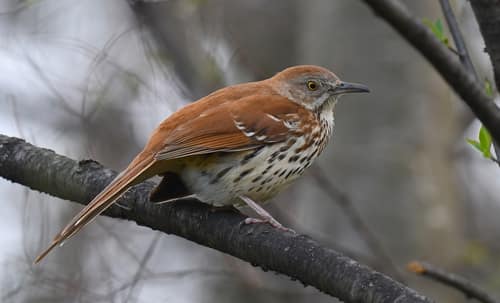
Close Relative no rights reserved, uploaded by Chrissy McClarren and Andy Reago · cc0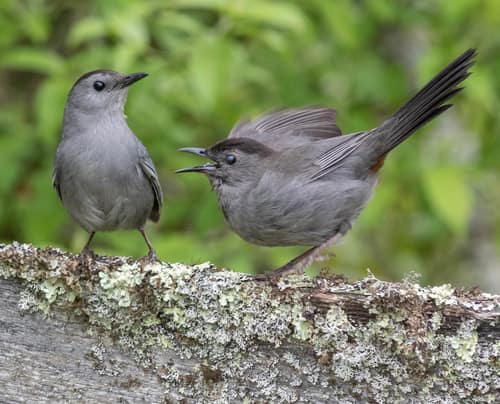
Close Relative (c) kirk gardner, some rights reserved (CC BY), uploaded by kirk gardner · cc-by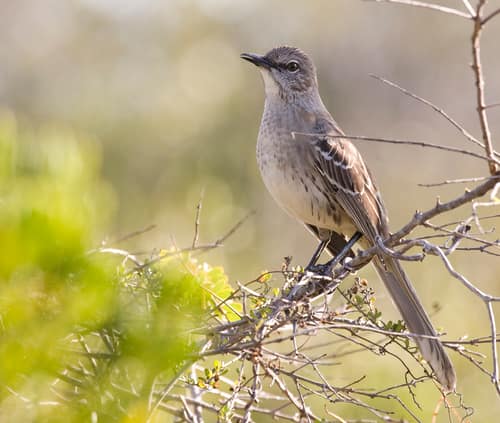
Close Relative (c) Laura Gooch, some rights reserved (CC BY-SA) · cc-by-sa
Keep collecting in Fauna
Found in Collections
Species set Pro
Backyard Birds
Northern Mockingbird is found in this collection. Identify it in Fauna to fill this slot and continue your progress.
Unlock to track progress
Help improve the field guideSomething wrong?
Checking your Fauna account…Report a name, category, or profile issue for review.